





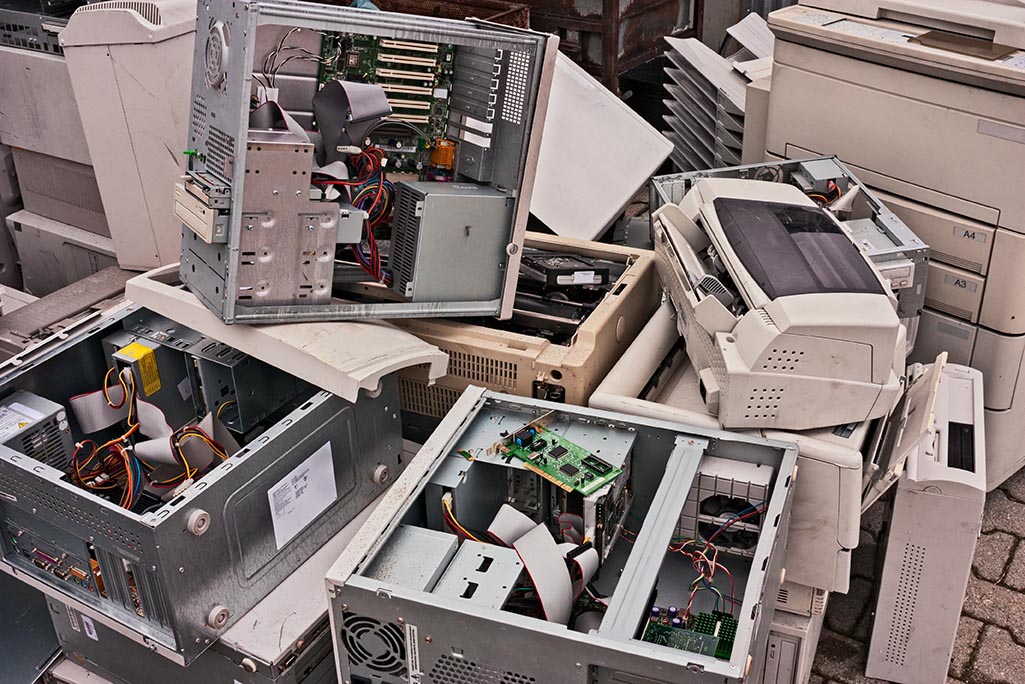
According to its 20-F, One and One Green Technologies Inc. (Nasdaq: YDDL) is a Cayman-incorporated holding company whose operating subsidiary in the Philippines holds government approvals to import and process hazardous waste as raw material. The company states that it processes electronic waste, scrap metal and other industrial waste into copper alloy ingots, aluminum scraps and other non-ferrous products at its facility in Bulacan, north of Manila, with feedstock is sourced both domestically and from overseas suppliers under Basel-compliant permits.
The audited FY2025 figures released in late April show how that model is performing. For the year ended December 31, 2025, One and One Green reported revenue increasing by 23% year over year to $65.8 million. Gross profit rose to $15.8 million, and gross margin expanded from 18.7% to 23.9%, reflecting a shift in product mix and pricing for copper alloy and other outputs. Net income reached $11.8 million, up about 82% year over year, supported by higher volumes and improved operating leverage following the company’s Nasdaq listing.
The 20-F adds further insight into scale and feedstock. One and One Green discloses that its Bulacan facility has nameplate capacity to treat up to 1,000,000 tons per year of hazardous and non-hazardous waste combined, including electronic waste, and that it processed approximately 300,000 tons in 2025 across all waste categories. E-waste is one of several input streams, alongside other metal-bearing industrial wastes, but the company notes that printed circuit boards, wire harnesses and other electronic components account for a growing share of raw materials as it targets higher-value non-ferrous fractions.
From a downstream-sector perspective, three features of these disclosures stand out. First, the revenue and margin profile shows that metals recovery from complex waste in Asia can support a fully formal, audited and publicly listed business. A 23.9% gross margin on $65.8 million of revenue and 82% year-over-year net-income growth indicate that this operator can absorb transport, regulatory compliance and processing costs while delivering earnings that align with broader global e-waste recycling market forecasts.
Second, the company’s licensed role as an importer of hazardous waste for use as raw material offers a detailed example of cross-border flows that are usually described only in aggregate: One and One Green reports that it sources electronic waste and other metal-bearing wastes from several Asian countries under Philippine regulatory approvals and international agreements on hazardous-waste movements, giving a concrete picture of how regulated downstream plants in Asia position themselves as outlets for complex scrap generated both inside and outside the region.
Third, the risk sections of the 20-F underline the exposure and concentration that still characterize parts of Asia’s downstream recycling sector, with a significant portion of revenue tied to a limited number of customers, dependence on a small group of suppliers for certain categories of electronic scrap, and explicit warnings about potential tightening of environmental regulation, changes in hazardous-waste import rules and commodity-price volatility.
One and One Green Technologies is a single operator, not a proxy for the entire Asian electronics recycling sector, but its FY2025 results and 20-F provide a detailed case study of how one Philippines-based plant is turning electronic waste and other complex inputs into copper alloy and other non-ferrous outputs under a fully regulated framework.
For those unfamiliar with Asia’s electronics recycling sector, the region now includes a visible layer of audited, hazardous waste licensed recyclers capturing substantial value from e-scrap.
One and One Green represents part of that formal processing layer, rather than the informal or non-compliant flows that have drawn regulatory scrutiny elsewhere in Southeast Asia. As regulatory enforcement, downstream material demand and cross-border recovery economics continue evolving, more formalized and capitalized operators are likely to emerge across parts of the region.
At the same time, even formal downstream operators remain exposed to policy shifts, commodity cycles, working capital pressures and changes in hazardous waste import rules.