





A new company is set to launch the first commercial-scale lithium carbonate recovery facility in the nation, an initial step of what it hopes will be a cross-ocean battery refining network.
R3 Lithium is set to begin operations of a facility in Covington, Georgia, on Sept. 10. That facility is expected to account for more than half of the total domestic production of lithium carbonate next year, after full operation commences. It will also help the US bolster its total lithium carbonate production; about 1% of the world’s supply currently comes from the US.
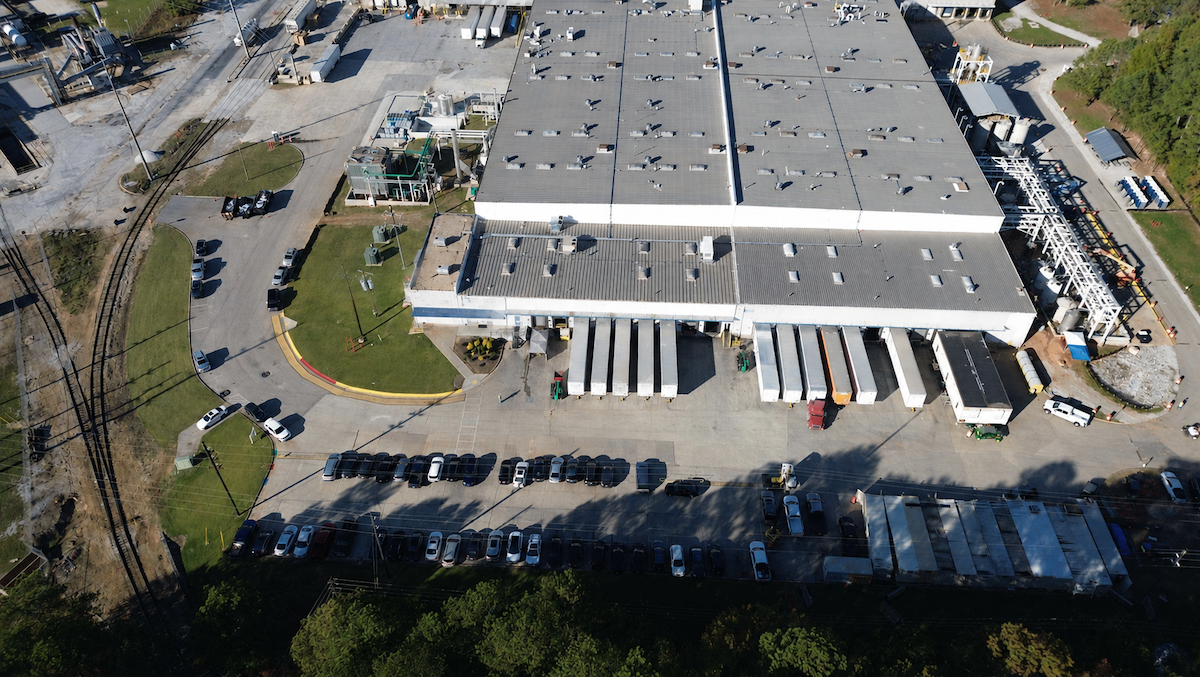
R3 acquired the 154,000-square-foot facility and technology this past July from the team that previously ran Ascend Elements, which filed for bankruptcy earlier this year; Ascend co-founder Eric Gratz was retained as R3’s CTO.
R3 made the deal thanks in part to $15 million in Series A funding from a group of investors including GlobalTech partners, TDK Ventures and Axial Partners. Additional investment will bring the plant to continuous commercial operation, with money going to upgrade the existing lithium carbonate production line there.
The Ascend team first demonstrated commercial-scale recycled lithium production there, spending $150 million to get the site running. But R3 CEO Linh Austin said that team was spread too thin, so R3 acquired the lithium carbonate part of that operation to get it off the ground.
“We’re doing the necessary capital upgrades to make sure it’s efficient in execution,” he said. “The opportunity was the asset. The facility had a lot of investment made into it. The previous management never actually built or operated anything at scale.”
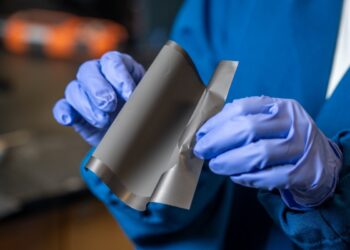
The process uses a proprietary lithium-first extraction process to recover and refine lithium carbonate from black mass and manufacturing scrap, then return it into the battery supply chain. The mineral is put through a calciner-based crystallization and water-based precipitation process, eliminating the need for primary mining or non-domestic refining. The remaining mix of nickel, cobalt, manganese and cobalt is sold separately.
The facility should help fill a critical mineral shortage in the US. A presidential order allowing for a ban on overseas mineral sales is among several federal actions taken to address the shortage. R3’s process, Austin said, allows for black mass to be made and refined domestically.
“The critical mineral space is of major national significance,” Austin said. “We believe the circularity opportunity was a very compelling story, both around the financial piece and the geopolitical need to keep those minerals, that existential threat as a country, local.”
The facility was the first in the US to make 99% pure lithium carbonate from wholly recycled content at production scale. Its capacity stands at 30,000 metric tons of shredding and 2,500 metric tons of lithium carbonate production per year, with space allocated for another 2,500-metric-ton line.
R3 has lined up about $1 billion in signed offtake agreements for products produced there. It’s lining up a growth plan that leadership hopes will establish a network of lithium carbonate and black mass shredding facilities across North America and Europe. Planned facilities will be built to produce 5,000 metric tons of lithium carbonate per year, and open once financing is complete and offtake agreements are in place.
“It’s a copy-and-paste type of process,” Austin said of the expansion. “We’ve proven it. We’ve done it. The market in terms of demand for lithium carbonate is significant.”
R3 joins companies such as Nth Cycle and Controlled Thermal Resources in bolstering funding and/or production to help fill the domestic critical mineral production shortfall.
Lithium carbonate, aside from medical uses, is a core ingredient found in EV and other rechargeable lithium-ion batteries.