




Resource Recycling
  • The Latest
  • Analysis
    • All
    • Certification Scorecard
    • Industry Announcements
    • Opinion
    From claims to custody: PCR procurement grows up

    From claims to custody: PCR procurement grows up

    What the NAND flash crunch means for remarketing, refurbishment and residual values

    Telamon acquires ITAD consultancy Retire-IT

    Certification Scorecard — Week of July 6, 2026

    Tech giant pens detailed ‘plastic-free packaging’ guide

    What Google’s latest report means for ITAD

    Unpacking the Starbucks cup data

    Unpacking the Starbucks cup data

    Amazon cutting out more flexible packaging

    Amazon’s AWS hardware reuse is measured

  • Conferences
    • Resource Recycling Conference
    • Plastics Recycling Conference
    • E-Scrap: The Longevity Conference
    • Textiles Recovery Summit
  • Publications
    • E-Scrap News
    • Plastics Recycling Update
    • Policy Now
    • Resource Recycling
    • Other Topics
      • All Topics
      • Brand Owners
      • Critical Minerals
      • Glass
      • Grant Watch / RFPs
      • Markets
      • Organics
      • Packaging
      • Research
      • Technology
      • Textiles
Subscribe
No Result
View All Result
Resource Recycling
  • The Latest
  • Analysis
    • All
    • Certification Scorecard
    • Industry Announcements
    • Opinion
    From claims to custody: PCR procurement grows up

    From claims to custody: PCR procurement grows up

    What the NAND flash crunch means for remarketing, refurbishment and residual values

    Telamon acquires ITAD consultancy Retire-IT

    Certification Scorecard — Week of July 6, 2026

    Tech giant pens detailed ‘plastic-free packaging’ guide

    What Google’s latest report means for ITAD

    Unpacking the Starbucks cup data

    Unpacking the Starbucks cup data

    Amazon cutting out more flexible packaging

    Amazon’s AWS hardware reuse is measured

  • Conferences
    • Resource Recycling Conference
    • Plastics Recycling Conference
    • E-Scrap: The Longevity Conference
    • Textiles Recovery Summit
  • Publications
    • E-Scrap News
    • Plastics Recycling Update
    • Policy Now
    • Resource Recycling
    • Other Topics
      • All Topics
      • Brand Owners
      • Critical Minerals
      • Glass
      • Grant Watch / RFPs
      • Markets
      • Organics
      • Packaging
      • Research
      • Technology
      • Textiles
Subscribe
No Result
View All Result
Resource Recycling
No Result
View All Result
Home Recycling

China ban spurs rise in plastic waste ‘criminal trends’

Colin StaubbyColin Staub
September 9, 2020
in Recycling
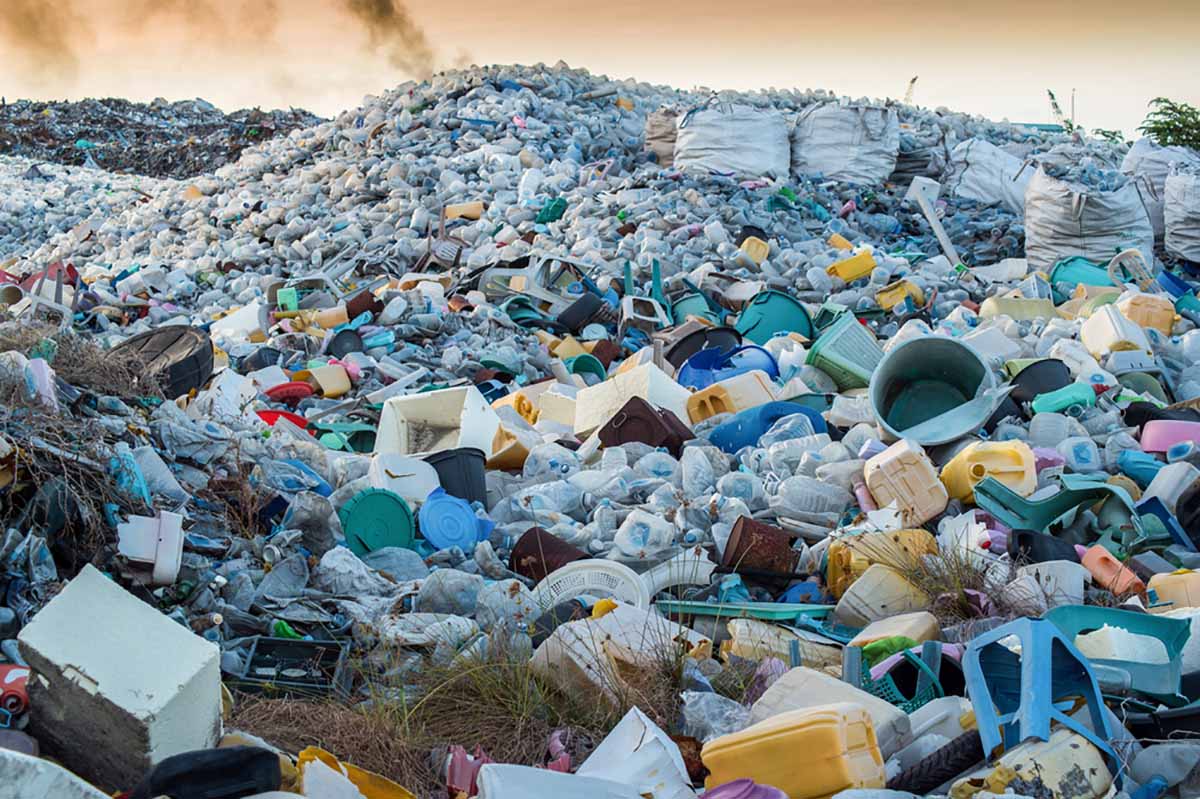
Interpol found that plastic waste fires, both accidental and deliberate, have increased since Chinese import restrictions took hold. | MOHAMED ABDULRAHEEM/Shutterstock

Improper management of scrap plastics in Southeast Asia and elsewhere has increased sharply in the wake of China’s National Sword policy, according to international law enforcement body Interpol.

The organization recently released a report titled “Emerging criminal trends in the global plastic waste market since January 2018.” It’s the result of an investigation into how scrap plastic management has shifted over the past two years.

Interpol (the International Criminal Police Organization), an intergovernmental organization with 194 member countries, used open-source data and criminal intelligence from 40 countries to compile its findings.

Interpol tied its investigation to the major recycling market disruption driven by China’s 2018 ban on scrap plastic imports. This move kicked off a wave of ripple impacts – Interpol referenced the massive increase in scrap plastic exports to Southeast Asia in the wake of China’s restrictions.

“The reduced volume of waste legally channelled to international trade has resulted in a surplus of waste accumulating within national territories of export countries,” the report stated.

This pileup and the lack of processing capacity for these plastics has “opened doors for opportunistic crime in the plastic waste sector,” Interpol found, both in exporting and importing countries.

For instance, Interpol cites a rise in disposal of the material in illegal landfills or through burning, generally in countries that used to export those plastics to China, Interpol found. Plastic waste fires, both accidental and deliberate, have also increased since the Chinese import restrictions took hold.

Additionally, the fast increase in shipments to Southeast Asia and other regions “has almost certainly allowed illegal recycling facilities to thrive, profiting by circumventing license costs and environmentally sound treatment costs,” the report stated.

Focus on Malaysia

As one case study for these types of illegal activity, Interpol highlighted the substantial increase in scrap plastic exports to Malaysia, which spurred an increase in unlicensed recycling facilities starting up operation. Enforcement authorities tightened their inspection of these facilities, shutting down 170 such plants in one year, Interpol noted.

The country also returned some illegal shipments to their origin countries, including the U.S. and Canada.

Beyond physical management trends, investigators found fraudulent paperwork activity has increased in recent years. This includes falsely declaring the contents of plastic waste shipments, a tactic Resource Recycling sister publication Plastics Recycling Update highlighted last year

Other paperwork reporting violations include using false Basel Convention classifications to avoid regulations from that global waste pact, misdeclaring the final destination for the plastic waste shipment, and more.

There are risks for further illegal activity in plastic waste management in the months ahead, Interpol predicts. The Basel Convention is set to implement new plastic waste regulations beginning in 2021, requiring greater disclosure to receiving countries of scrap plastic shipments.

Although proponents say the amendment will improve accountability and make positive changes to the plastic shipment trade, Interpol notes that the amendment could shrink the global scrap plastic industry. As a result, it could “likely result in increased illegal disposal of plastics in source regions, along with illegal imports in destination regions.”
 

SSI

Tags: AsiaPlasticsTrade & Tariffs
TweetShare
Colin Staub

Colin Staub

Colin Staub was a reporter and associate editor at Resource Recycling until August 2025.

Related Posts

Groups call for end to e-scrap imports to Philippines

Groups call for end to e-scrap imports to Philippines

byPaul Lane
June 30, 2026

A task force claims hundreds of containers of material have illegally entered the country since last year.

EPR deadlines approach as lawsuits loom

byStefanie Valentic
June 23, 2026

Packaging producers in Washington and Maryland have until July 1 to register with a producer responsibility organization (PRO), demonstrating how...

Novelis posts steady Q2 amid tariffs, fire recovery

Tariff updates unlikely to impact recyclers

byPaul Lane
June 18, 2026

Revisions under Section 232 would lower the tariffs on certain materials through 2027.

Aluminum can bale close up.

Aluminum scrap exports face scrutiny under HB 9161

byStefanie Valentic
June 9, 2026

A new House bill would direct the US International Trade Commission to investigate whether US aluminum scrap exports to adversarial...

Q1 containerboard exports drop by 19%

What SB 54 looks like from the packaging floor

byStefanie Valentic
June 1, 2026

With compliance deadlines coming on quickly, smaller companies are struggling to absorb changes and stay on the right side of...

Wisconsin prepares for E-Cycle rulemaking

Reading Asia’s e-scrap recycling market through YDDL

byDavid Daoud
May 15, 2026

One Asian recycler’s latest financials offer a rare, detailed look at how downstream metals recovery from e-scrap is developing in...

Load More
Next Post

The details on a MRF contract built for the current age

More Posts

Oregon’s Recycling Modernization Act faces injunction

Oregon’s EPR program posts first-year results

July 6, 2026
Two recycled-content bills gain approval in California

California agriculture seeks SB 54 repeal

July 7, 2026
Unpacking the Starbucks cup data

Unpacking the Starbucks cup data

July 8, 2026
In Our Opinion: Coalitions: The EPR Differentiator

Inside NAW’s constitutional case against packaging EPR

July 6, 2026
Tech giant pens detailed ‘plastic-free packaging’ guide

What Google’s latest report means for ITAD

July 8, 2026
EPR fees are a market signal. Here’s what they’re telling you.

Building the infrastructure behind EPR

July 6, 2026
SB 54 draft rules generate debate on rates, review

California increases PET market payments

July 7, 2026
MP Materials breaks ground on rare earth magnet campus in North Texas

ERI confirms ITAD shift toward minerals

July 3, 2026
ITAD firm wins spot for NASA purchasing

ITAD firm wins spot for NASA purchasing

July 6, 2026
Auto Draft

Digital product passports offer gateway into secondary market

July 7, 2026
Load More

About & Publications

About Us

Staff

Archive

Magazine

Work With Us

Advertise
Jobs
Contact
Terms and Privacy

Newsletter

Get the latest recycling news and analysis delivered to your inbox every week. Stay ahead on industry trends, policy updates, and insights from programs, processors, and innovators.

Subscribe

Welcome Back!

Login to your account below

Forgotten Password?

Retrieve your password

Please enter your username or email address to reset your password.

Log In

Add New Playlist

No Result
View All Result
  • The Latest
  • Analysis
  • Recycling
  • E-Scrap
  • Plastics
  • Policy Now
  • Conferences
    • E-Scrap Conference
    • Plastics Recycling Conference
    • Resource Recycling Conference
    • Textiles Recovery Summit
  • Magazine
  • About Us
  • Advertise
  • Archive
  • Jobs
  • Staff
Subscribe
This website uses cookies. By continuing to use this website you are giving consent to cookies being used. Visit our Privacy and Cookie Policy.