




Nefab, a global provider of industrial packaging and logistics solutions, has shifted all eight facilities producing thermoformed Reflex cushioning to recycled HDPE, standardizing its material specification while developing take-back programs for US customers.
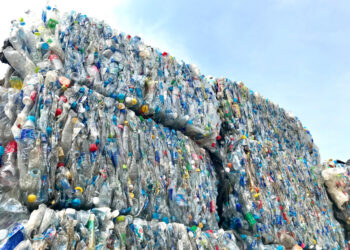
The company’s Americas operations, including locations in Tennessee and Texas, so far have used only post-industrial HDPE, said Blair Vance, global product sales director at Nefab. In Europe, the Middle East and Africa, the mix is 80% post-consumer and 20% post-industrial material. The share of PCR ranges from 85% to more than 90% across the Asia-Pacific countries Nefab reported.
The company said a data infrastructure customer that used Reflex in a packaging system redesign to eliminate most of the original design’s EVA foam and to reduce use of wood and corrugated board.
Nefab purchased approximately 5,400 metric tons (about 12 million pounds) of R-HDPE for Reflex globally in 2025.
The company describes the global material standard as the first milestone in its Reflex roadmap, with further work focused on increasing post-consumer content, designing for recyclability and conducting responsible sourcing.
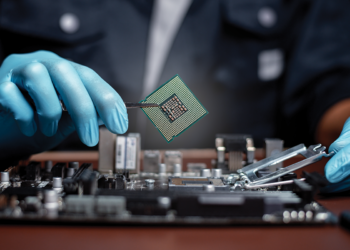
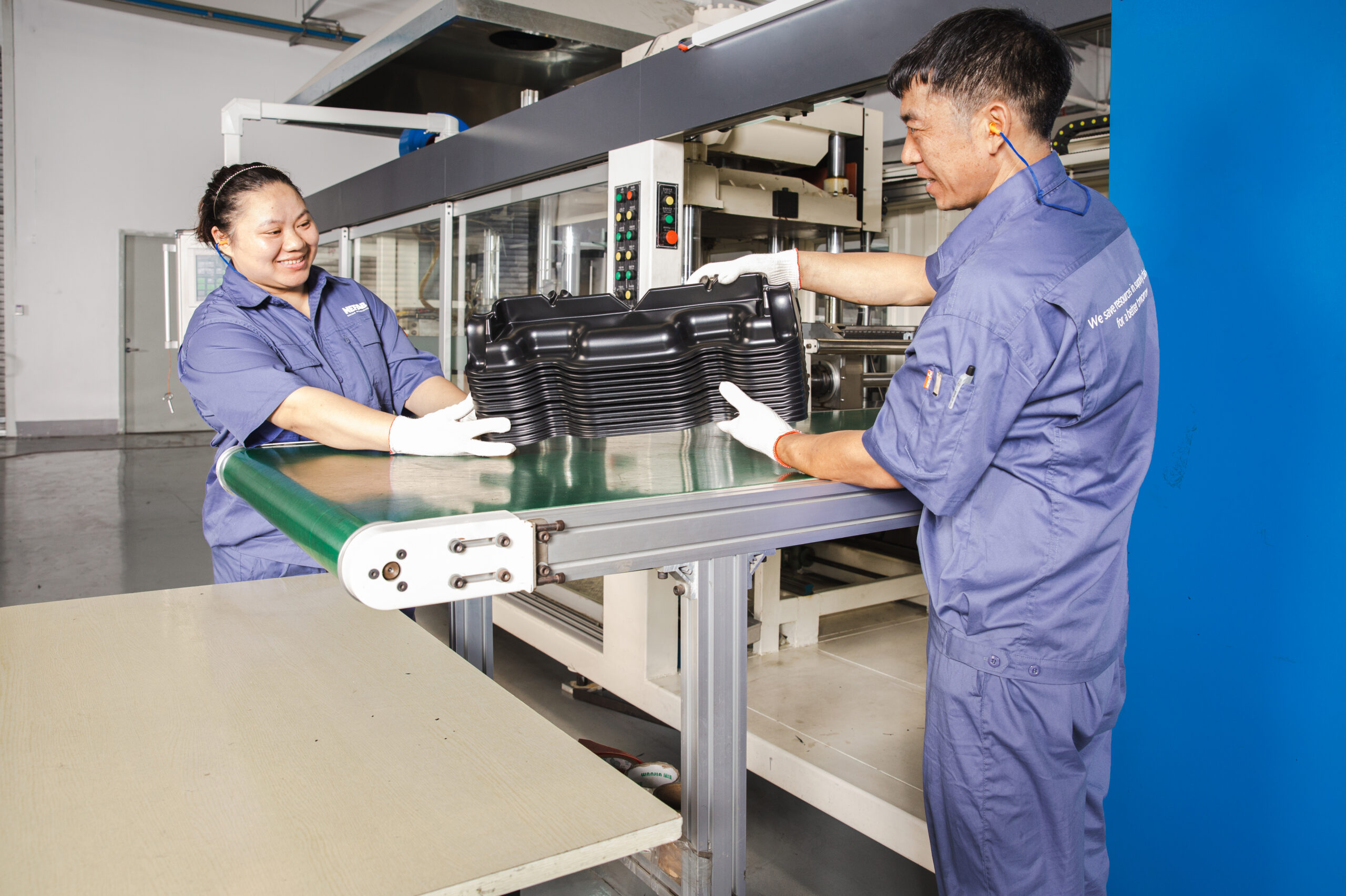
Reflex is a thermoformed alternative to fabricated foam used to protect sensitive products during shipping, including data infrastructure, semiconductor components and medical devices. The cushions can be designed to support equipment at approved contact points while keeping packaging away from fragile surfaces and protruding components.
“Using recycled material only works if the packaging continues to provide the protection the product requires,” Vance said. “By combining 100% recycled HDPE with application-specific engineering and testing, we can validate performance for demanding products while supporting more circular material flows.”
Nefab grinds post-industrial material at its facilities and sends most of it back to local suppliers for reprocessing, Vance said, while recovering used cushions remains a developing part of the US business.
“We’re discussing how it could work with several customers and don’t yet have recovery volumes to report,” Vance said.
In markets where Nefab does not collect used cushioning, it can connect customers with a local recycling partner. However, material acceptance varies by location.
Recovered HDPE can become new thermoformed packaging, while reusable cushioning can make repeated trips before reaching end of life.
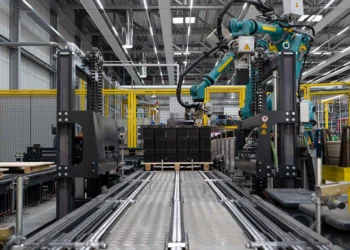
The company announced a new 137,000-square-foot plant in McMinnville, Tennessee, in September 2025 as a thermoforming, extrusion and recycling hub, and now the extrusion line is ramping up.
The site’s original plan included a grinder to process returned heavy-gauge trays into material for new plastic sheets. The expansion plan projected a 15% reduction in plastic sheet production costs through its expanded in-house extrusion capabilities.