





Ecology is seeking data, contacts and insights from people working with agricultural plastics. Interested participants can contact RecDevCenter@ecy.wa.gov.
Washington state’s Department of Ecology has launched a study to identify opportunities for recycling agricultural plastics, addressing gaps in statewide data on material use, waste volumes, regional concentrations and disposal practices.
“That information is essential for designing practical solutions,” said Mya Keyzers, a circular economy specialist with Ecology’s Recycling Market Development Center. “Collection and recycling programs need to know whether there is enough material in a particular area, whether it can be collected at a reasonable cost, and whether it is clean enough and consistent enough for recyclers to process.”
The center began hearing from agricultural stakeholders in 2023 about the need for better disposal and recovery options for drip tape, mulch film and greenhouse film, Keyzers said. The study is expected to conclude in June 2027.
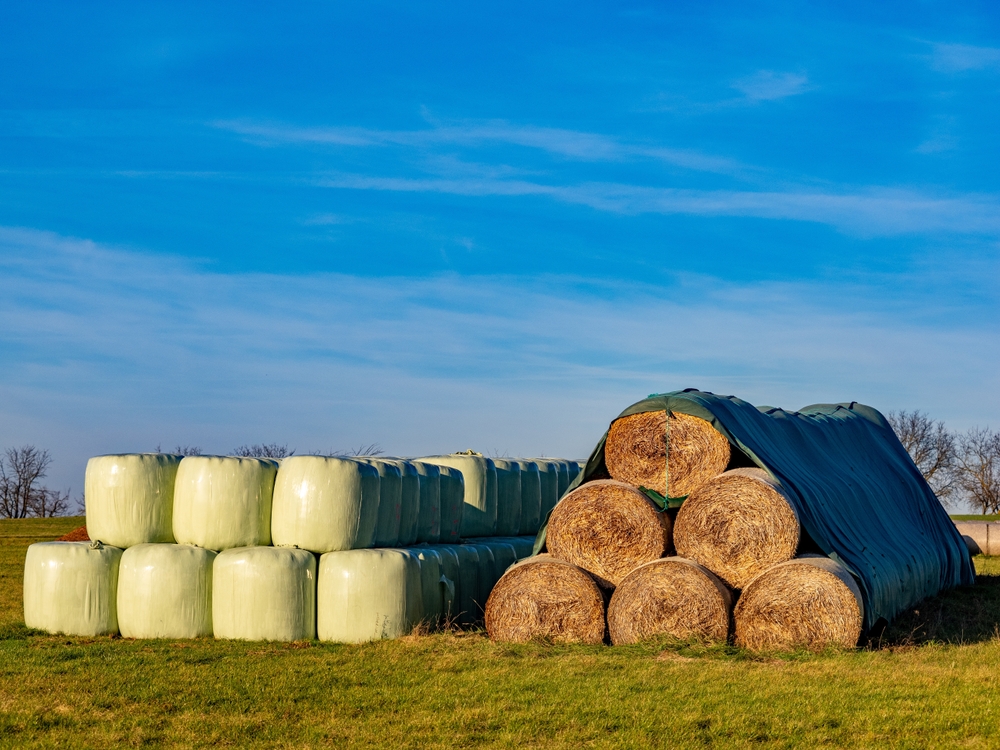
Its scope also includes pesticide and fertilizer containers, silage and bale wrap, seed and feed bags, twine and tubing. Researchers will examine material quality, contamination, product lifespans and seasonal use, along with current practices such as recycling, landfilling, open burning and stockpiling, according to Ecology’s announcement.
ERG is leading the study, with Joy Onasch serving as project manager. Cleanfarms, Envise Consulting and CN Sustainability are assisting. Keyzers noted the research team has completed similar studies supporting Cleanfarms’ agricultural plastics recycling programs in Canadian provinces.
Researchers in Washington will combine interviews, surveys and other engagement with growers, conservation districts, extension staff, producer organizations, recyclers, haulers and state and local government agencies. Agricultural production data, estimates of material use, sales proxies where available and comparable studies will help estimate plastic generation by material type and region.
“The study is designed to validate findings using multiple sources, rather than relying on any single dataset,” Keyzers said.
Ecology expects the findings to document barriers to managing discarded plastics, identify opportunities for collaboration and inform policy decisions. The work will also examine regional needs and potential disposal and recycling pathways.
The information could help agencies and industry partners pursue funding and assess stewardship models, options that are currently constrained by gaps in statewide data.
Ecology is seeking data, contacts and insights from people working with agricultural plastics. Interested participants can contact RecDevCenter@ecy.wa.gov. The center plans to present the findings at a future advisory board meeting.
“The study will establish a statewide baseline to help Ecology and partners identify the materials and regions with the strongest potential for future recovery or recycling pilots,” Keyzers said.