Editor’s note: Join the free Women in Circularity Roundtable Breakfast at our 2026 E-Scrap Conference, Oct. 26-28 in New Orleans. Register now!
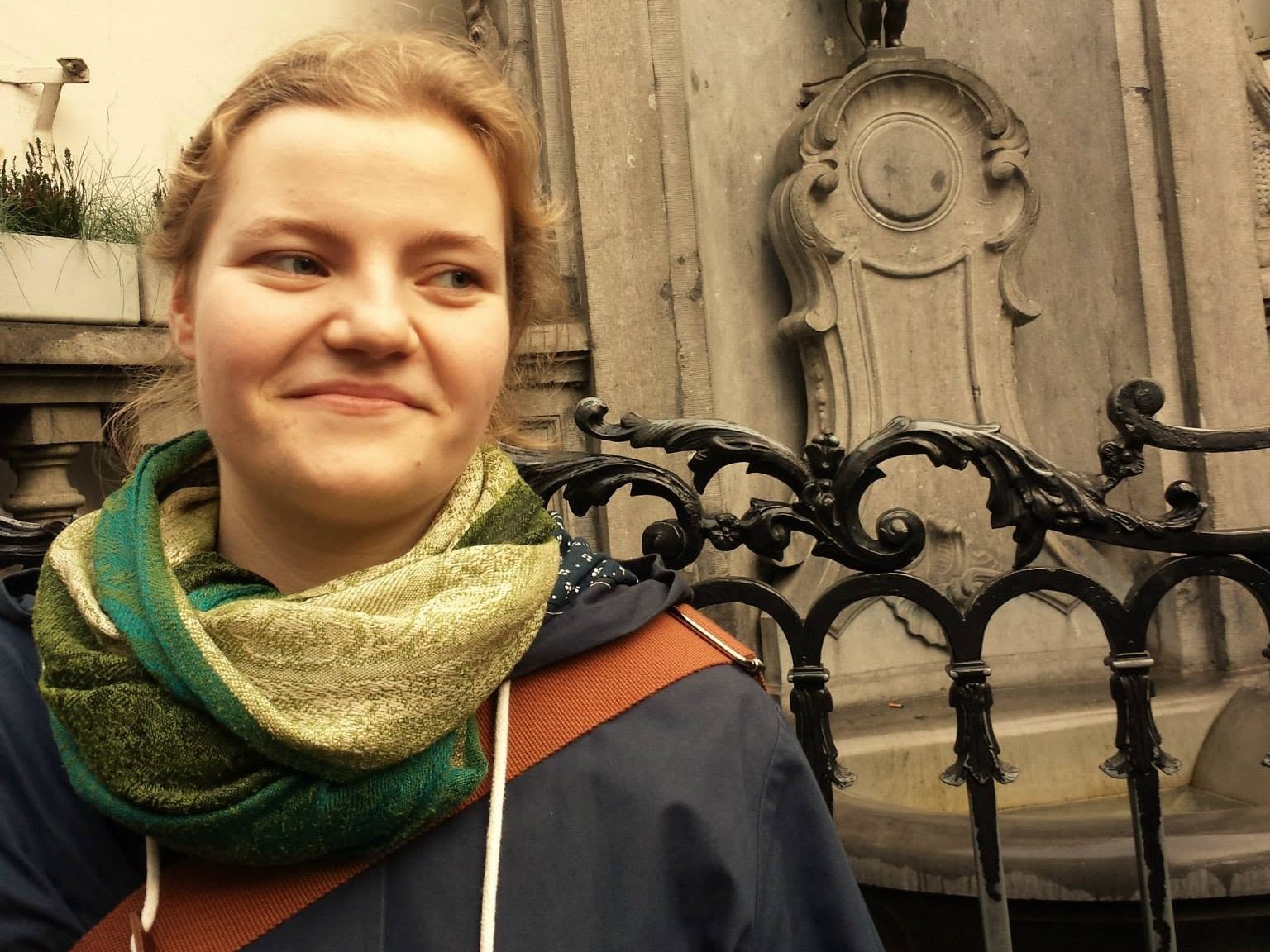
A warm welcome back to “Women in Circularity,” where we shine a light on women moving us toward a circular economy. This month I was pleased to connect with a circular economy leader: Christine Nikander the CEO of Palsa & Pulk—an environmental consultancy firm that helps organizations mitigate supply chain risks through circular technology lifecycle action; and the Founder of The E-Waste Column—an EdTech and news platform.
Her focus is on building smarter pathways for reuse, recovery and responsible recycling. Through her work, Christine helps organizations turn sustainability and circular economy intent into practical decisions for device lifecycle, partner selection and responsible end of life.
What key moment in your career helped shape how you think about circularity in technology and how did you build the skills to make it happen?
I grew up in a family that always mended things, so I’ve been surrounded by circular thinking since childhood. Rather than a single defining moment, my perspective on circularity emerged from bringing together different pieces of myself over time. I grew up repairing electronics with my father, an electrical engineer, always enjoyed writing and storytelling and later studied environmental law. In the early 2010s, while pursuing my bachelor’s degree, I came across photojournalism of e-waste dumping sites in Ghana and China.
Knowing how toxic e-waste can be, I was deeply shocked to see children standing in the smoke of burning electronics. That experience inspired me to write my thesis on the transboundary movement of e-waste, the Basel Convention and emerging European regulations on the right to repair and ecodesign—bringing together my interests in tech, sustainability and law around an issue that would later shape my work on circularity.
When I graduated from university, I didn’t know how to continue pursuing my interest in e-waste and ended up working outside of the circular economy for several years. It was only in mid-2022 that I started to realize how circularity, storytelling and law could complement each other and could be combined in practice. No one was doing what I had in mind though at the time, so I actually had to set out to start my own company and own publications to do that work. That is what gave birth to the social enterprise, Palsa & Pulk and what is now the EdTech, innovation and news platform called “The E-Waste Column”.
When you think about The E-Waste Column, how are you leveraging storytelling to help us move from intent to circular action?
The E-Waste Column has always been rooted in storytelling and driving action on e-waste and electronics circularity. I launched it as a simple weekly column in September 2022 with the belief that understanding e-waste and circularity should not require expert knowledge. The columns were intentionally short and written in a straightforward question-and-answer format. My goal was simple: I wanted to create action by helping people understand the problem, why it matters and what they can do.
Since then, we have focused on making the environmental, social and geopolitical impacts of electronics and e-waste clear while highlighting practical solutions. Our early content was largely educational, helping build a strong knowledge base for readers. Over the past 18 months, however, we have shifted toward more traditional storytelling, exploring how entrepreneurs, innovators and practitioners are advancing circularity in practice and what motivates their work. This approach has resonated strongly with audiences, including through our “100 People & Organizations in Circularity to Follow in 2025” series (which featured your work on this series as an example of the people moving circularity from ambition to action).
What is one circularity project at Palsa & Pulk that you are most proud of and what made it meaningful to you?
Over the years, we have done a lot of work at Palsa & Pulk to help US- and UK-based companies that operate or trade on the European market to comply with EU environmental regulations. Given our focus on e-waste and electronics circularity, many clients asked us what battery passports and other digital product passports might look like in practice as the EU began introducing new requirements to improve transparency, traceability and circularity across product value chains.
Under the EU Battery Regulation, battery passports will become mandatory for certain battery categories, creating digital records that provide information about a battery’s origin, materials, carbon footprint and lifecycle. Because our work also covers conflict minerals and labor issues in raw material and electronics supply chains, our clients were particularly interested in how social sustainability and human rights impacts could be meaningfully reflected within these emerging tools.
In spring 2024, we partnered with a group of sustainable development master’s students at Utrecht University to explore that question. Together, we developed an interactive visualization of the lifecycle of a generic EV battery, designed to make complex environmental and social impacts easy to understand for a broad audience. It remains the project I am most proud of—not only because it was released at a time when the first automotive battery passports were beginning to emerge, but also because it gave us the opportunity to work closely with students and help support the next generation of sustainability and circularity professionals.
What trend in circular IT feels most urgent right now and where do you see the biggest opportunity to accelerate device reuse and material recovery?
So much e-waste consists of devices that could remain in use with minor repairs or provide valuable spare parts for repairs and remanufacturing. At the same time, we have seen significant volatility in the availability and cost of critical raw materials and electronic components due to geopolitical tensions, the concentration of supply chains in a small number of countries, the rapid growth of AI and data centers and the increasing scarcity of some virgin materials. Together, these trends are putting greater pressure on both resource security and electronics supply chains.
To those working in circularity, this may sound obvious, but it is high time to stop viewing e-waste as waste and start treating it as the valuable resource it is. We also need to move away from defaulting to shredding and recycling when products, components and materials could first be reused, repaired or remanufactured. For that reason, the trend that excites me most right now is the growing focus on repair and remanufacturing. These approaches keep products and components in circulation at their highest value for longer while reducing demand for new materials. Given my background in environmental law, I would love to see stronger policy support in this area. Administrative burdens and regulatory barriers still make repair and remanufacturing more difficult than they should be and addressing these challenges could significantly accelerate both device reuse and material recovery.
If circularity could be a superpower what would yours be and what would you change first?
My real-life superpower is being a good listener, which is invaluable when trying to understand the complexity of lifecycles and supply chains. If I could choose a supernatural superpower for circularity, though, it would be X-ray vision—just like Superman. Being able to see inside products and systems to understand what they are made of, how they are assembled and which parts might need maintenance before they fail would be a real game changer.
In the electronics and e-waste space especially, the huge variety of product designs combined with limited transparency around assembly and durability often makes repair and disassembly more difficult than necessary. As a result, devices are frequently discarded or shredded instead of repaired, refurbished or used for spare parts. If I had X-ray vision—ideally paired with strong technical drawing skills—I would spend my time creating repair and disassembly guides for electronics and helping ensure they were widely accessible, even if there would still be some intellectual property challenges to navigate.