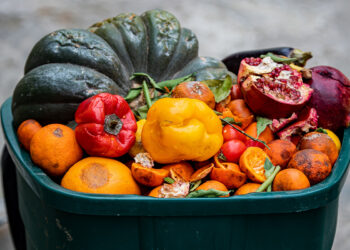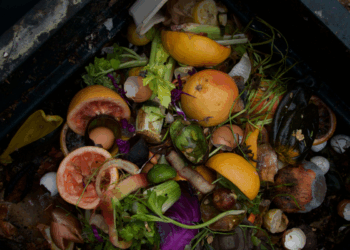













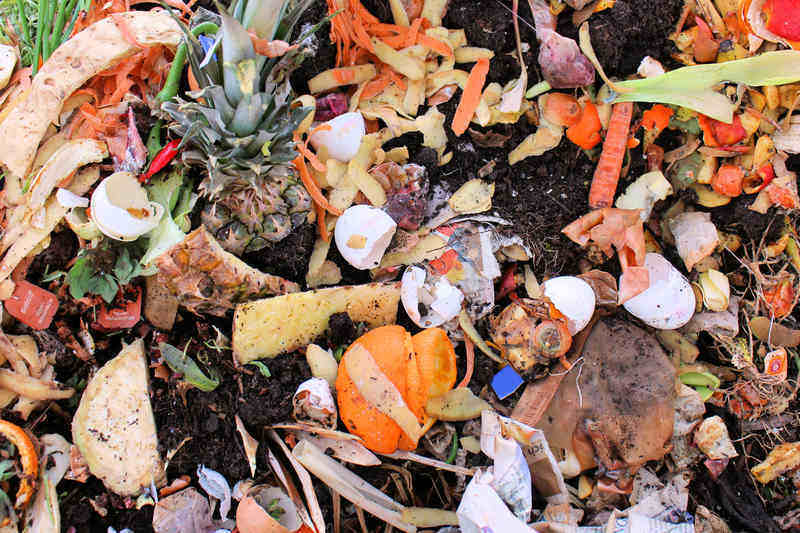
Wisconsin’s nearly 6 million residents discard 1,033 pounds of food per person annually, creating the state’s largest waste stream and prompting officials to develop new strategies to rescue edible food before it reaches landfills, according to a new report.
The Food Waste Evaluation Report expands on the 2020-2021 Statewide Waste Characterization Study, which found that food residuals accounted for 20% of trash sent to Wisconsin’s landfills, equating to 854,000 tons annually. The majority, 75%, of the residuals were edible despite being thrown away, according to the state’s Department of Natural Resources (DNR).
More recent estimates included in the report showed that the number rose in 2023, with 3.05 million total tons of surplus food generated in Wisconsin, valued at $10.4 billion based on ReFED estimates.
State sets reduction target
As a result, the state’s 50% by 2030 goal aims to slice per-capita food waste in half compared to 2020 levels, the catalyst for the evaluation, targeting the entire lifecycle of food from production to disposal, encompassing “manufacturing processes, food sales and consumption and ultimately, recovery and disposal methods for food waste,” the DNR wrote in the report.
Kate Strom Hiorns, director of the DNR’s Waste and Materials Management Program, said that “Through the sustainable management of food, we can conserve resources, help businesses and consumers save money, reduce greenhouse gas emissions and provide access to food for those who do not have enough to eat.”
The latest analysis was funded by a US Environmental Protection Agency (EPA) Solid Waste Infrastructure for Recycling grant. Data from surveys and listening sessions with stakeholders, including food rescue organizations, local governments, food waste processors and waste haulers, was analyzed. The study also comprised a review of data from the DNR, the US EPA Excess Food Opportunities Map, the ReFED Insights Engine and other state-specific information, according to the DNR.
The report highlights food waste amounts, types and sources to identify prevention opportunities, along with existing food rescue and recycling infrastructure capacity, diversion capacity gaps and barriers, economic recommendations for waste diversion initiatives, policy guidance on reduction and recycling methods and investment, technical assistance and education needs.
Findings show that 88% of food residuals sent to state landfills are from residential and food services sources, with the largest share, 47%, collected from residents.
Infrastructure gaps pose challenges
The DNR indicated that the “Infrastructure for hauling food waste to destinations other than landfills (such as composting and anaerobic digestion facilities) will have to expand significantly to achieve the statewide food waste reduction goal.”
This could pose a logistical challenge, as only 30 of Wisconsin’s 286 composting facilities approved to accept food residuals are permitted to do so.
“Of the 122 anaerobic digestion facilities currently operating in Wisconsin, just 37 (30%) currently accept food waste,” the DNR stated. “To expand food donation, food rescue and food waste processing infrastructure, education, technical support and funding will be needed. Regulatory and policy reform may also be necessary.”