













Generate Capital has raised more than $1 billion over the past year to support and expand its credit-investment platform for sustainable infrastructure including for organics-to-energy. This milestone highlights a surge of investor confidence in clean-energy and circular-economy infrastructure.
In November, the San Francisco-based company announced the close of the capital raise, citing an increased demand across the North American market for scalable financing models that support essential infrastructure and help bridge the funding gap for capital-intensive businesses.
“Credit has become one of the most powerful asset classes for scaling critical infrastructure,” CEO David Crane said. “After a period of market pause, we’re seeing strong tailwinds and a renewed need for creative, scalable capital. Generate is unlocking the next phase of sustainable growth by pairing disciplined underwriting with deep operating expertise.”
The funding comes from a diverse base of institutional partners, including major insurance companies and pension plans seeking resilient, long-term investment opportunities tied to the clean-energy transition.
In addition to credit financing, Generate Capital continues to expand its broader investment platform, which totals more than $9 billion in assets across both credit and equity strategies. This growth aligns with the company’s long-standing mission to build, finance, own and operate infrastructure that accelerates the transition to a low-carbon economy.
Generate Capital’s organics-to-energy platform is one of the fastest growing segments in the company, an initiative that was highlighted in a recent report from the company under the banner of Generate Upcycle.
Thanks in part to a $45 million investment last month supporting a fleet of anaerobic digesters, Generate Capital is ramping up its ability to convert organic waste into renewable natural gas and other valuable byproducts.
The increased focus for organics infrastructure aligns with broader market movements as municipalities, food producers, processors and packaging companies seek to comply with intensifying regulations around waste diversion and carbon reduction.
According to Generate Capital, the momentum reflects strong market tailwinds and renewed investor appetite for well-structured, risk-mitigated financing solutions. Company leadership emphasized that infrastructure credit has become one of the most powerful asset classes for scaling the next generation of energy and sustainability projects, particularly as the market emerges from a period of cautious investment.
The deal was completed as Generate Capital announced plans to “meet the demand for large-scale capital” by combining “disciplined underwriting with deep operating and technical expertise across multiple sectors” in a bid to further scale national infrastructure investment.
Generate Capital announced in a press release that a majority of the proceeds from the latest fundraising will go toward its growing credit platform. In the past two months, the company closed two new financings, a sign of growing demand from mid-sized operators looking to build or modernize infrastructure but finding it difficult to do so through traditional sources of capital.
Middle-market infrastructure credit is “a major focus area” for Generate Capital, a market segment the company believes its platform can play an important role in helping to speed up development timelines and relieve capital bottlenecks.
Deal momentum is already strong and the company pipeline of new opportunities continues to grow. Recent activity includes investments in areas such as green steel production, power-infrastructure plays supporting data centers and thermal-storage technologies that help enable grid reliability and decarbonization. These moves point to the company’s ability to “structure creative capital solutions customized to the unique operating requirements of industrial infrastructure while delivering reliable returns to investors.”
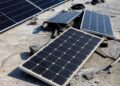
Another recent milestone for the company is an $85 million community-solar fund developed with KeyState, which is designed to expand access to affordable clean power in communities that historically lack access to renewable energy resources. The project, completed in October, reflects ongoing efforts to both decentralize energy generation and support community-level participation in the clean-energy economy.
Leadership at the company note the commitment from new and existing capital partners reflects a shared belief that the infrastructure needed to support energy transition requires durable financing models that combine technical expertise with long-term investment.