




Resource Recycling
  • The Latest
  • Analysis
    • All
    • Certification Scorecard
    • Industry Announcements
    • Opinion

    Closed Loop Partners acquires Sutter Metals, connecting electronics disposition to metals recovery

    Certification Scorecard — Week of March 30, 2026

    Certification scorecard – Week of March 23, 2026

    Certification Scorecard – Week of March 16, 2026

    Groups identify recovered plastics users in the Northeast

    Bale pricing for recycled plastics diverges

    Why global ITAD is stranded in the Gulf

    Why global ITAD is stranded in the Gulf

    Certification scorecard for the week of March 9, 2026

    Diversion Dynamics: Secondhand exports slow down fast fashion

    Certification scorecard for the week of March 2, 2026

  • Conferences
  • Publications

    Other Topics

    Textiles
    Organics
    Packaging
    Glass
    Brand Owners

    Metals
    Technology
    Research
    Markets
    Grant Watch

    All Topics

Subscribe
No Result
View All Result
Resource Recycling
  • The Latest
  • Analysis
    • All
    • Certification Scorecard
    • Industry Announcements
    • Opinion

    Closed Loop Partners acquires Sutter Metals, connecting electronics disposition to metals recovery

    Certification Scorecard — Week of March 30, 2026

    Certification scorecard – Week of March 23, 2026

    Certification Scorecard – Week of March 16, 2026

    Groups identify recovered plastics users in the Northeast

    Bale pricing for recycled plastics diverges

    Why global ITAD is stranded in the Gulf

    Why global ITAD is stranded in the Gulf

    Certification scorecard for the week of March 9, 2026

    Diversion Dynamics: Secondhand exports slow down fast fashion

    Certification scorecard for the week of March 2, 2026

  • Conferences
  • Publications

    Other Topics

    Textiles
    Organics
    Packaging
    Glass
    Brand Owners

    Metals
    Technology
    Research
    Markets
    Grant Watch

    All Topics

Subscribe
No Result
View All Result
Resource Recycling
No Result
View All Result
Home Recycling

New momentum for reuse as policy talks expand

byScott Snowden
October 14, 2025
in Recycling
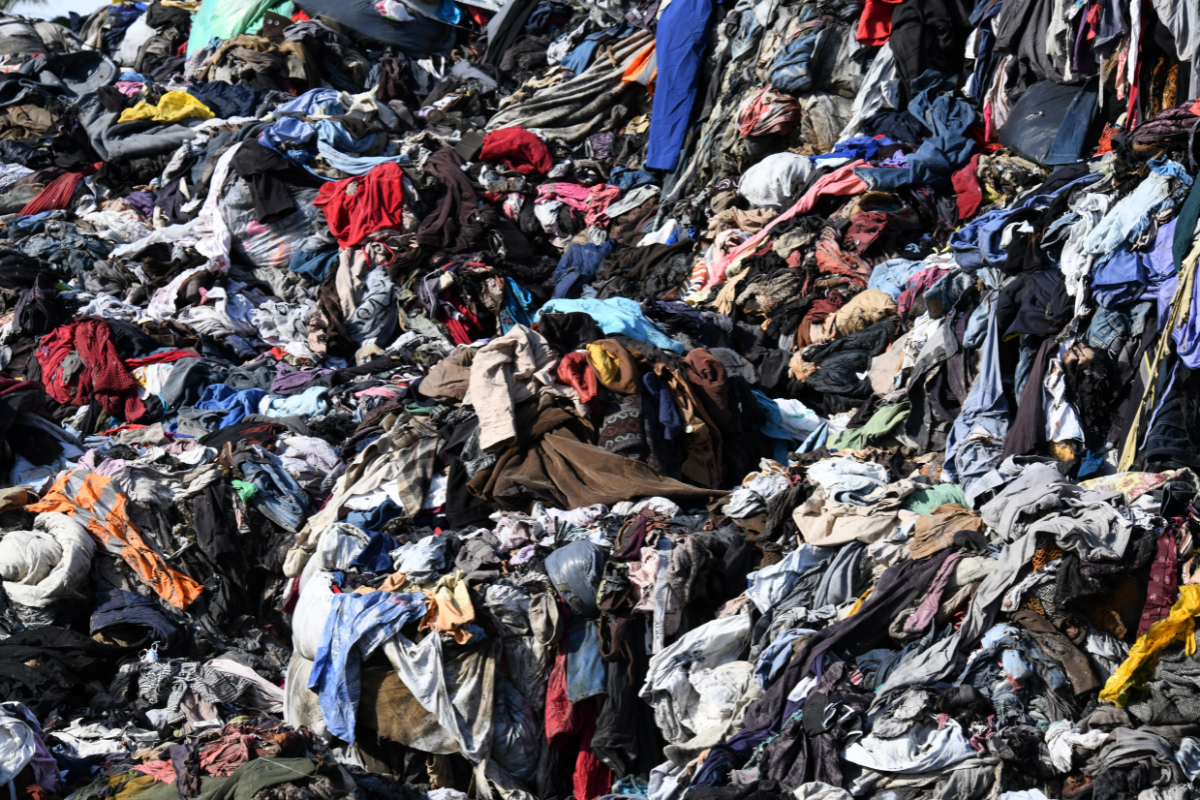
At Washington’s Common Threads forum, Rachel Kibbe urged states to exempt secondhand purchases from sales tax to boost reuse and build recycling markets as EPR proposals advance. | Ernest-Rose/Shutterstock

Editors note: Join us at the 2026 Resource Recycling Conference where we’ll dive deeper into the topic of reuse.

At a recent Washington Department of Ecology webinar focused on how policy can shift fashion toward reuse, circular-economy advocate Rachel Kibbe argued that a targeted tax change could make secondhand purchases more affordable while helping states prepare for new recycling rules.

Speaking on October 2 during the Common Threads: Textile Listening Series, Kibbe said removing sales and use taxes from secondhand goods would cut costs for consumers and strengthen resale markets. The discussion, hosted by the state’s Recycling Market Development Center (RMDC) within Ecology, drew about 70 participants from business, government and advocacy groups, according to Kibbe. 

Kibbe is founder and chief executive of American Circular Textiles, a national coalition that advises lawmakers on EPR and related textile policy. “We are the only national coalition focused exclusively on circular textile policy in the United States,” she said. “Every stick needs a carrot.” She framed secondhand tax exemptions as a demand-pull complement to EPR’s regulatory approach.

Under current practice in many states, used goods are taxed when sold new and again when resold. Kibbe said ending the second charge could lower purchase prices by about 9% in Washington, increase business revenues by $20 million to $36 million a year and keep roughly 15 million pounds of textiles out of landfills over several years. She presented those figures as her organization’s analysis specific to Washington.

In January, Resource Recycling profiled national efforts to scale textile reuse and recycling, from Goodwill’s network to mail-back programs, and a conference panel that mapped infrastructure gaps and policy needs. The piece underscores growing interest in EPR and private-sector partnerships that set context for Washington’s listening series. The RMDC was created by the Washington Legislature in July 2019 to develop in-state markets for recyclables and to support research, business assistance and policy evaluation.

Kibbe emphasized, in a discussion with Resource Recycling, that incentives must sit alongside regulation if states expect reuse and recycling to scale. She pointed to the proposed Americas Act, bipartisan federal legislation first introduced in 2024, which would direct more than $14 billion in loans and grants toward textile reuse and recycling, innovation, workforce training and public education. Her coalition has publicly supported and consulted on the textile provisions. 

The tax-exemption concept has faced hurdles. Lawmakers in Maryland and North Dakota examined limited tax-holiday versions in past sessions, but proposals stalled as officials weighed the loss of revenue dedicated to services such as roads and schools. Kibbe said those concerns are central to the debate, which is why states may consider caps by price or category and clear tracking rules for stores that sell both new and used goods.

Recent industry moves show both momentum and gaps. A Goodwill–WM collaboration announced in November 2024 aims to expand collection and sorting through a regional network with textile recycler Reju, a sign of growing private-sector engagement that still needs stronger market demand and processing capacity. 

Kibbe added that not every garment can be resold and that US recycling capacity remains small. She said finance and workforce programs envisioned in the Americas Act could help build reverse logistics and processing so that collected textiles do not default to disposal. 

During the Q&A portion of the webinar, questions coalesced around exports and equity, and Kibbe cautioned that restricting exports too quickly could harm domestic operators that still rely on global resale markets while US capacity develops, citing European debates and industry pushback. She also cast the tax-exemption idea as an affordability tool for shoppers who weigh secondhand against low-cost fast fashion.

Public engagement is part of her strategy. A two-month petition campaign launched in 2024 by American Circular Textiles drew about 1,600 signatures and has since been reopened with a template letter to state lawmakers. Coverage by trade and business media has highlighted the aim of ending what advocates call double taxation on secondhand apparel. 

For RMDC, Common Threads continues a year of sustained programming. Ecology’s spring webinar series Unraveling the Textile Industry for a Regenerative Washington established common language and documented pain points such as data gaps and the cost of collection. Those sessions set up the fall’s listening events, which concentrate on policy options and market signals. 

Kibbe said the coalition’s goal is to help make rules workable and incentives effective. “We consulted on the Americas Act,” she said, noting that states will also need measures that stimulate demand for resale. She encouraged attendees to connect with her organization if they are interested in advancing secondhand sales and use tax exemptions and to add their names to the petition. 

The Common Threads series will continue later this year, with sessions expected to examine textile recycling infrastructure and innovation pathways. 

Tags: EPRReuse
TweetShare
Scott Snowden

Scott Snowden

Scott has been a reporter for over 25 years, covering a diverse range of subjects from sub-atomic cold fusion physics to scuba diving off the Great Barrier Reef. He's now deeply invested in the world of recycling, green tech and environmental preservation.

Related Posts

Apparel retailer organization challenges SB 707 textile PRO selection

byStefanie Valentic
April 2, 2026

With the July 1 deadline looming, the American Apparel & Footwear Association has filed a petition questioning CalRecycle's selection of...

Waste Connection recycling cart in The Dalles, Oregon

First Oregon community expands curbside recycling with EPR funding

byBrian Clark Howard
April 1, 2026

The City of The Dalles in northern Oregon is now rolling out nearly 5,000 new 90-gallon recycling carts to customers...

Quebec PRO reflects on first year of packaging EPR

byAntoinette Smith
March 30, 2026

The province's all-packaging collection approach has simplified messaging while providing lessons for the PRO as well as for industry.

ag plastics field

Ag industry holds potential for recycling feedstock

byStefanie Valentic
March 24, 2026

With less than 15% of US agricultural plastics currently being recycled, insiders say the gap between what's possible and what's...

Traceability tools add recycled material trust

Industry coalition seeks injunction against California’s SB 343

byStefanie Valentic
March 19, 2026

A coalition of packaging producers, farmers, restaurants and grocers has filed a class action lawsuit seeking to block enforcement of...

EPR expanding beyond packaging into tougher waste streams

EPR expanding beyond packaging into tougher waste streams

byScott Snowden
March 19, 2026

Proposals beyond packaging include boat wrap, hazardous products and oil containers, though infrastructure gaps and unclear producer rules remain, panelists...

Load More
Next Post

Colorado’s EPR rollout enters next phase of development

More Posts

Quebec PRO reflects on first year of packaging EPR

March 30, 2026

ReElement, Mitsubishi partner on rare earth supply chains

March 31, 2026
Belgian and Flemish flags fly against a backdrop of an ocean beach

PureCycle receives €40m EU grant for new plant

March 26, 2026

Report pegs fire losses at $2.5b in US and Canada recycling industry

March 27, 2026
#ESC2025 Speaker Spotlight: Matthew Young

From bootstrap to boom: EVR poised for growth after capital injection

March 26, 2026
URT builds alliance to remake electronics plastics at scale

Less premium smartphone inventory is reaching recyclers

March 30, 2026
Waste Connection recycling cart in The Dalles, Oregon

First Oregon community expands curbside recycling with EPR funding

April 1, 2026
Groups identify recovered plastics users in the Northeast

Bale pricing for recycled plastics diverges

March 17, 2026

PCA closing Richmond plant

April 2, 2026
Unilever shifting focus to flexibles targets

Unilever shifting focus to flexibles targets

March 23, 2026
Load More

About & Publications

About Us

Staff

Archive

Magazine

Work With Us

Advertise
Jobs
Contact
Terms and Privacy

Newsletter

Get the latest recycling news and analysis delivered to your inbox every week. Stay ahead on industry trends, policy updates, and insights from programs, processors, and innovators.

Subscribe

Welcome Back!

Login to your account below

Forgotten Password?

Retrieve your password

Please enter your username or email address to reset your password.

Log In

Add New Playlist

No Result
View All Result
  • The Latest
  • Analysis
  • Recycling
  • E-Scrap
  • Plastics
  • Policy Now
  • Conferences
    • E-Scrap Conference
    • Plastics Recycling Conference
    • Resource Recycling Conference
    • Textiles Recovery Summit
  • Magazine
  • About Us
  • Advertise
  • Archive
  • Jobs
  • Staff
Subscribe
This website uses cookies. By continuing to use this website you are giving consent to cookies being used. Visit our Privacy and Cookie Policy.