





Resource Recycling
  • The Latest
  • Analysis
    • All
    • Certification Scorecard
    • Industry Announcements
    • Opinion
    Apple Watch on product box.

    Wearables are coming and ITAD isn’t ready

    Certification Scorecard — Week of April 13, 2026

    EV Battery Pack - Sergii Chernov-Shutterstock

    Redwood, Rivian deal fuels US infrastructure plans

    Bloom ESG and e-Stewards roll out critical metals metric

    Colorado regulators suggest mid-range EPR scenario

    Why collaboration on plastic waste still matters

    Battery recycler Ascend Elements files for bankruptcy

    Battery recycler Ascend Elements files for bankruptcy

    EPR fees are a market signal. Here’s what they’re telling you.

    EPR fees are a market signal. Here’s what they’re telling you.

    Wolframite ore, the primary ore of tungsten from Altai, Russia

    Tungsten scrap export controls draw industry attention

    Certification Scorecard — Week of April 6, 2026

  • Conferences
  • Publications

    Other Topics

    Textiles
    Organics
    Packaging
    Glass
    Brand Owners

    Metals
    Technology
    Research
    Markets
    Grant Watch

    All Topics

Subscribe
No Result
View All Result
Resource Recycling
  • The Latest
  • Analysis
    • All
    • Certification Scorecard
    • Industry Announcements
    • Opinion
    Apple Watch on product box.

    Wearables are coming and ITAD isn’t ready

    Certification Scorecard — Week of April 13, 2026

    EV Battery Pack - Sergii Chernov-Shutterstock

    Redwood, Rivian deal fuels US infrastructure plans

    Bloom ESG and e-Stewards roll out critical metals metric

    Colorado regulators suggest mid-range EPR scenario

    Why collaboration on plastic waste still matters

    Battery recycler Ascend Elements files for bankruptcy

    Battery recycler Ascend Elements files for bankruptcy

    EPR fees are a market signal. Here’s what they’re telling you.

    EPR fees are a market signal. Here’s what they’re telling you.

    Wolframite ore, the primary ore of tungsten from Altai, Russia

    Tungsten scrap export controls draw industry attention

    Certification Scorecard — Week of April 6, 2026

  • Conferences
  • Publications

    Other Topics

    Textiles
    Organics
    Packaging
    Glass
    Brand Owners

    Metals
    Technology
    Research
    Markets
    Grant Watch

    All Topics

Subscribe
No Result
View All Result
Resource Recycling
No Result
View All Result
Home Recycling

Q&A: Reflecting on the How2Recycle label’s growth

Lacey EvansbyLacey Evans
December 20, 2016
in Recycling

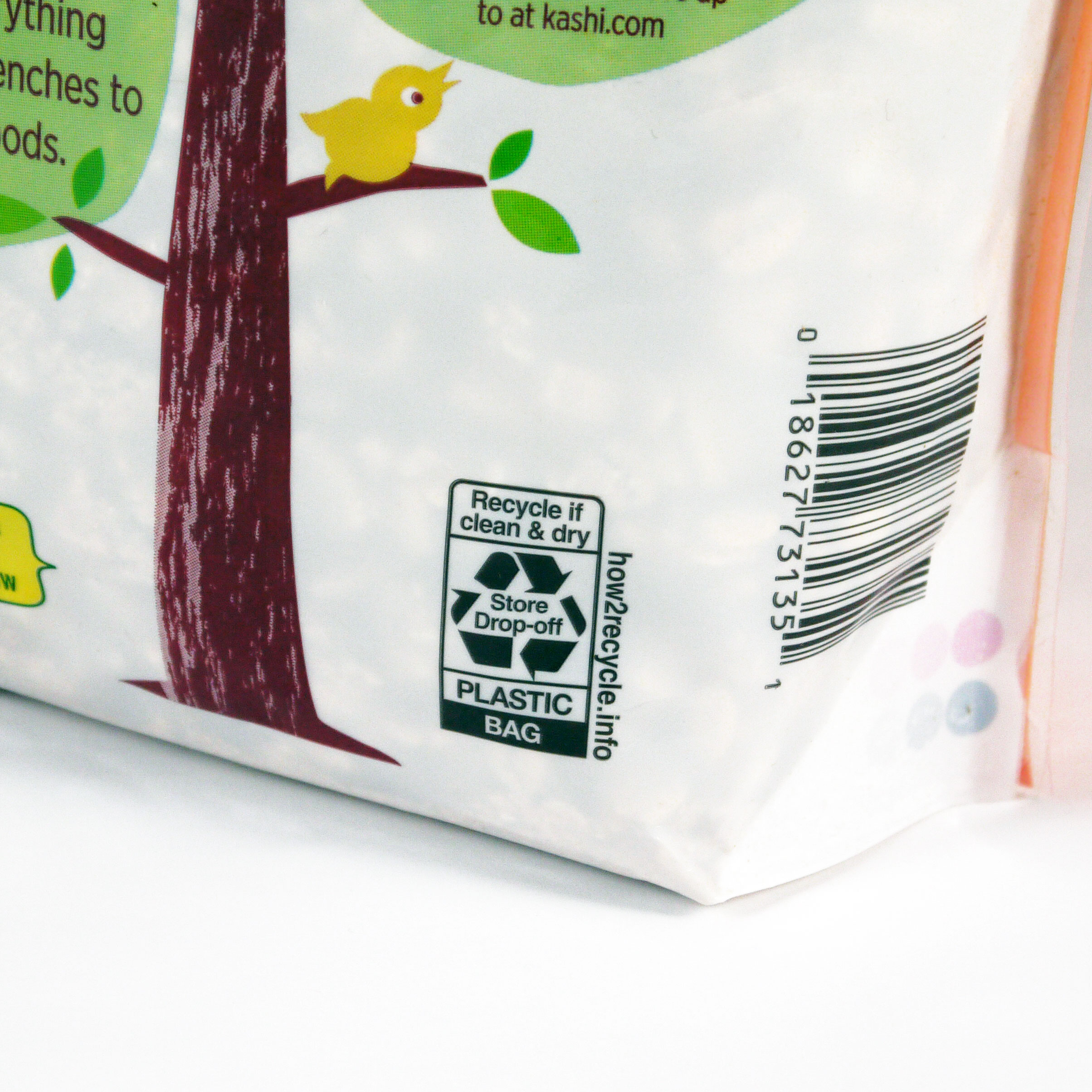
The How2Recycle label, a project of the Sustainable Packaging Coalition (SPC), celebrated many milestones in 2016, including a big boost from Walmart.

The retail giant is now encouraging its product suppliers to use the label, which clearly tells consumers if and how they should recycle packaging. The How2Recycle label also went bilingual with a rollout in Canada, and it has been joined by a How2Compost label.

Resource Recycling asked Kelly Cramer, who leads SPC’s How2Recycle program, to reflect on the label’s growth and the impact the Walmart announcement had on it.

How many companies have adopted the label?

We currently have over 50 companies that are members of How2Recycle, and we are growing every month. Each member company can choose to use the How2Recycle label on any or all of their brands; what that means is that members like Conagra use the How2Recycle label on a wide array of their brands, like Swiss Miss, Hunt’s, Pam, Peter Pan and Healthy Choice. Cumulatively, our members represent around 500 brands in the marketplace. With the addition of Walmart private label brands Equate and Great Value, the amount of products featuring the How2Recycle is going to quickly multiply.

What kind of recycling rate has that led to?

In our survey on the How2Recycle website, consumers tell us that the How2Recycle label helps them recycle more and more accurately. Eighty-three percent of the respondents tell us that the How2Recycle label teaches them something new about how to recycle packaging, and half tell us that they change their recycling behavior as a direct result of How2Recycle. Of the half that say they don’t change their behavior, the majority of the time it’s because they don’t have access to recycle that specific package or they already knew how to recycle the package.

When did the label start and how has it grown from Day One?

The How2Recycle label launched in 2012 with 12 pilot participant companies and has grown exponentially in the years since. Originally, members of Sustainable Packaging Coalition first identified the need for an accurate, consistent on-package labeling system in 2008. At the time, greenwashing was ubiquitous, and the industry wanted to be able to support a credible recycling label that was easy for consumers to understand. So from 2009 to 2011, qualitative and quantitative consumer testing and extensive consultation with the Federal Trade Commission helped refine and strengthen the How2Recycle label design and program strategy. How2Recycle is the first comprehensive labeling system in the U.S. designed specifically for consumers, the first designed to apply to all material types and … the first labeling system designed in accordance with the Federal Trade Commission’s guidelines over environmental marketing claims. Today, the How2Recycle label is on thousands of products. Once you have your eye open for it, the How2Recycle label starts popping up everywhere.

What kind of impact does a company like Walmart have when it announces that it will not only be using the label on its in-house products but also recommending packaging guidelines for other brands? Does it force other retailers to follow suit?

Walmart’s support of the How2Recycle label is a great example of retailer leadership in packaging sustainability. Target has been a tremendous leader in support of How2Recycle as well. What’s unique about retailers is that they’re able to influence change in the supply chain in a way that other companies cannot. When retailers make sustainability commitments, brands are able to seize upon the energy of that wave and build on it. In turn, since retailers maintain relationships with thousands of brands, that wave becomes quite sizable.

What’s exciting about packaging is that it touches every product in a store, so when retailers embrace tools like the How2Recycle label to help them meet their sustainability goals, it can truly make a positive difference across the retail experience. Consistency in on-package recycling labeling builds value not only into retailers’ brand equity, but also gives the brands that sell products at those stores an avenue to build trust with consumers.

The growth of the How2Recycle label at Walmart and Target will likely motivate peer companies to get on board with How2Recycle. Once the How2Recycle label becomes an embedded part of the retail experience, consumers will begin to expect the transparent labeling system everywhere. We know that many brands have demonstrated interest in the How2Recycle program as a direct result of the leadership of these retailers, and we expect that interest to only grow.

How is the How2Compost label progressing and does How2Recycle see any other cross-market expansions?

We’re excited that the How2Compost label is now available, and we will announce our first member companies soon. What’s great about the How2Compost label, and how it complements the How2Recycle label so beautifully, is that it can help minimize contamination as we build composting infrastructure in the U.S. in these formative upcoming years.

This year, we’ve expanded our library of How2Recycle labels designed for dual U.S./Canada distribution. These labels feature the recyclability of the packaging for both countries, and the Canadian portion of the label tells consumers how to recycle in both English and French. Overall, the How2Recycle label holds so much potential and is experiencing such positive momentum this year that expanding its reach will certainly keep us busy in 2017.

 

Van Dyk

Rotochopper

Tags: Industry GroupsNorth AmericaPackagingQ&A
TweetShare
Lacey Evans

Lacey Evans

Lacey Evans was a staff writer at Resource Recycling, Inc. until January 2017.

Related Posts

Recycling Partnership CEO stepping down

byStefanie Valentic
April 15, 2026

Outgoing CEO Keefe Harrison will remain until August with the organization she built from the ground up.

NERC launches hub to promote PCR demand 

byAntoinette Smith
April 15, 2026

The Northeast Recycling Council's PCR Material Demand Hub offers resources for government procurement, material- and product-specific resources, and certification and...

Reverse Logistics Network launches to support industry

byPaul Lane
April 14, 2026

The reverse logistics community has a new organization to give companies in that sector a place to connect.

Colorado regulators suggest mid-range EPR scenario

Why collaboration on plastic waste still matters

byCrystal Bayliss
April 13, 2026

Six years ago, the U.S. Plastics Pact launched at a moment of rising concern about plastic waste and growing momentum...

Industrial sources drive rise in PVC recycling

byAntoinette Smith
April 13, 2026

Volumes of post-industrial PVC recycled in 2024 rose by 10% from 2019 levels, while post-consumer sources fell and missed a...

End markets, policy key to RPET viability

End markets, policy key to RPET viability

byAntoinette Smith
April 8, 2026

Longer-term actions support domestic RPET markets and can help prevent the loss of public trust in recycling systems, industry experts...

Load More
Next Post
In other news: March 23, 2016

In other news: Dec. 20, 2016

Leading the Charge in Safe Battery Recycling
Sponsored

Leading the Charge in Safe Battery Recycling

byThe Battery Network
April 13, 2026

We’re connecting people, brands, and communities through one nationwide network built to make battery recycling safer, simpler, and more accessible...

Read moreDetails

More Posts

Recycling Partnership CEO stepping down

April 15, 2026
EPR fees are a market signal. Here’s what they’re telling you.

EPR fees are a market signal. Here’s what they’re telling you.

April 10, 2026
Battery recycler Ascend Elements files for bankruptcy

Battery recycler Ascend Elements files for bankruptcy

April 13, 2026
Industry group: Help us find the plastic bale volumes we need

PET bales sink further as other grades firm 

April 15, 2026
Colorado regulators suggest mid-range EPR scenario

Why collaboration on plastic waste still matters

April 13, 2026

GFL acquires SECURE Waste for $6.4bn

April 13, 2026

WM opens new $60m MRF in Indy

April 10, 2026

Amazon, DOE partner on critical materials recovery

April 13, 2026

Bloom ESG and e-Stewards roll out critical metals metric

April 15, 2026
Solarcycle starts up Georgia recycling plant

S3399 signals a shift in how states are tackling solar panel waste

April 6, 2026
Load More

About & Publications

About Us

Staff

Archive

Magazine

Work With Us

Advertise
Jobs
Contact
Terms and Privacy

Newsletter

Get the latest recycling news and analysis delivered to your inbox every week. Stay ahead on industry trends, policy updates, and insights from programs, processors, and innovators.

Subscribe

Welcome Back!

Login to your account below

Forgotten Password?

Retrieve your password

Please enter your username or email address to reset your password.

Log In

Add New Playlist

No Result
View All Result
  • The Latest
  • Analysis
  • Recycling
  • E-Scrap
  • Plastics
  • Policy Now
  • Conferences
    • E-Scrap Conference
    • Plastics Recycling Conference
    • Resource Recycling Conference
    • Textiles Recovery Summit
  • Magazine
  • About Us
  • Advertise
  • Archive
  • Jobs
  • Staff
Subscribe
This website uses cookies. By continuing to use this website you are giving consent to cookies being used. Visit our Privacy and Cookie Policy.