



New laws are shifting packaging design for recycling from an important voluntary decision to a requirement. Meanwhile, packaging engineers must create containers that not only protect their contents and reflect brand identity, but also comply with emerging EPR laws in key states.
California’s SB 343 labeling law could take effect as soon as October, with the state’s packaging EPR law, SB 54, following in January 2027. Oregon, Minnesota, Maryland, Maine and Colorado have all passed their own packaging EPR laws, adding pressure on packaging designers to understand not just what recyclability means, but why specific design choices succeed or fail once material reaches a recycling facility.
For years, the Association of Plastic Recyclers (APR) has offered design training for packaging engineers and other stakeholders, but this September the organization will launch a new three-day training and tour program in Indianapolis.
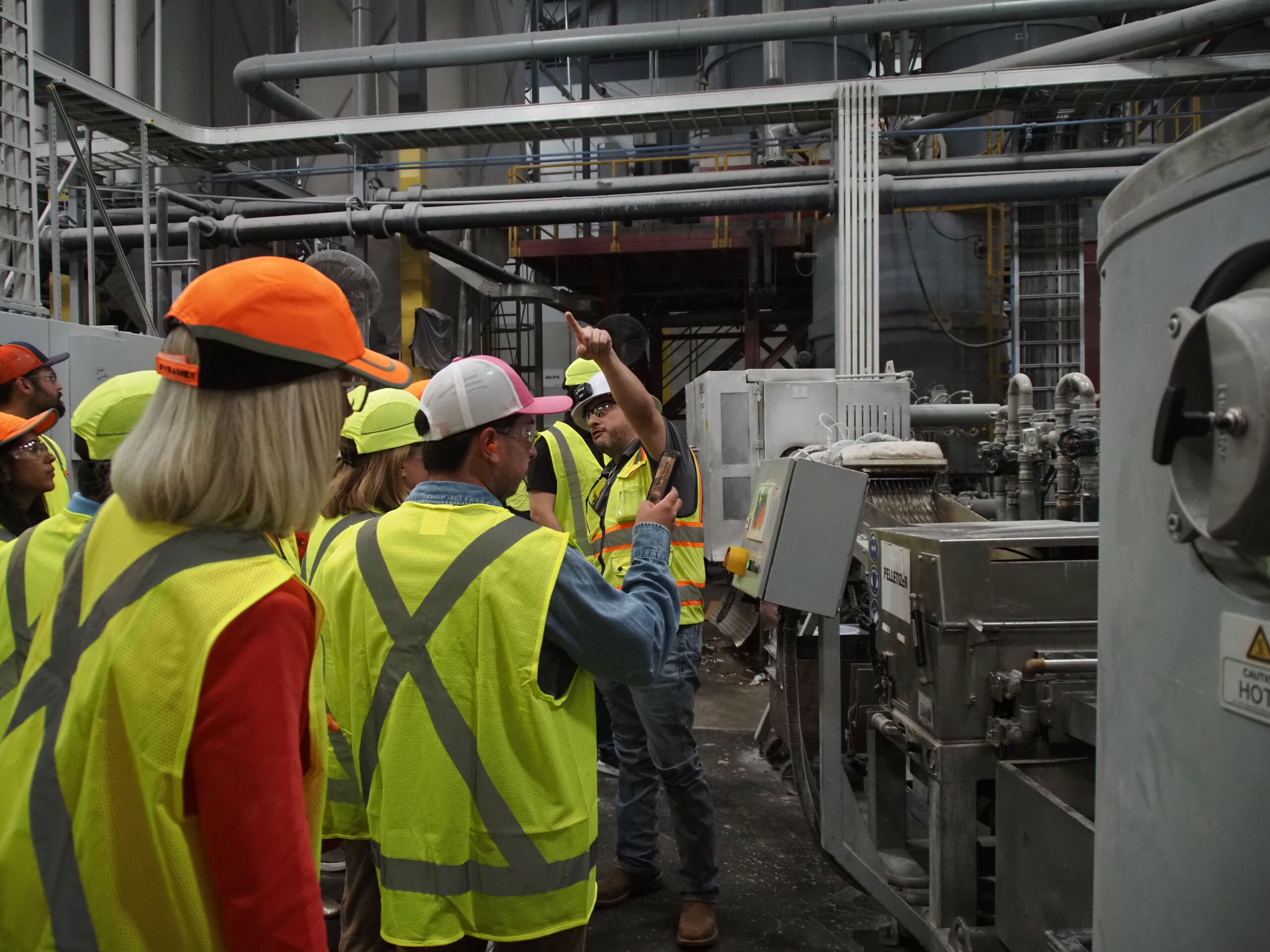
During the Sept. 22-24 Design Training for Recyclability, attendees will learn about the recycling process for both rigid and flexible plastics, review best practices for design, and get up to speed on policy and economic developments. In the afternoon, the learning moves into the field, for guided private tours of three facilities:
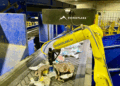
- Republic Services’ 96th Street Recycling Center, a single-stream MRF that sorts and bales curbside material
- Republic Services Polymer Center and Blue Polymers complex, which produce RPET flake alongside R-PE and R-PP pellets and operate state-of-the-art labs
- Borouge International’s SYNDIGO1 facility (formerly known as Nova Circular Solutions), a mechanical recycling facility turning post-use film into PE resin
Happy hours and networking sessions give attendees facetime with other companies and academics working across the plastic packaging and recycling space — a chance to trade notes before the next round of state deadlines arrives.
APR owns Resource Recycling, Inc., publisher of Plastics Recycling Update.
The program walks attendees through the mechanics of the recycling process itself, connecting design decisions to real-world outcomes at the sorting line and beyond. Curt Cozart, an APR executive with more than 30 years building and operating recycling facilities across the country, leads the sessions.
Most APR Design Training happens as a customized, full-day program delivered on-site for a single company’s staff. More than 40 companies have gone through the training, and many return for it annually.