A new House bill would put a federal lens on where US aluminum scrap is going and what it is costing the domestic manufacturing base when it’s exported.
Rep. Haley Stevens (D-MI) introduced HB 9161, or the Secure Aluminum Supply Chains Act, on June 4, directing the US International Trade Commission (USITC) to investigate the national and economic security risks posed by US scrap aluminum exports to “adversarial nations.”
“Michigan workers know that strong supply chains are the foundation of a strong manufacturing economy,” said Rep. Stevens in a statement. “We cannot sit back and let strategic materials that power American manufacturing to flow to competitors actively working to undercut our industries. If scrap aluminum is helping China strengthen its industrial base while our manufacturers face supply challenges, Congress needs to know.”
The bill would direct the USITC to conduct a comprehensive investigation into US scrap aluminum exports to countries of concern and entities controlled by those countries, examine the economic and national security risks of those exports and deliver recommendations to Congress. The USITC would be required to consult with domestic aluminum producers, metals recyclers and organized labor throughout the process.
The Aluminum Association has pushed for export restrictions, publishing a statement in fall 2025.
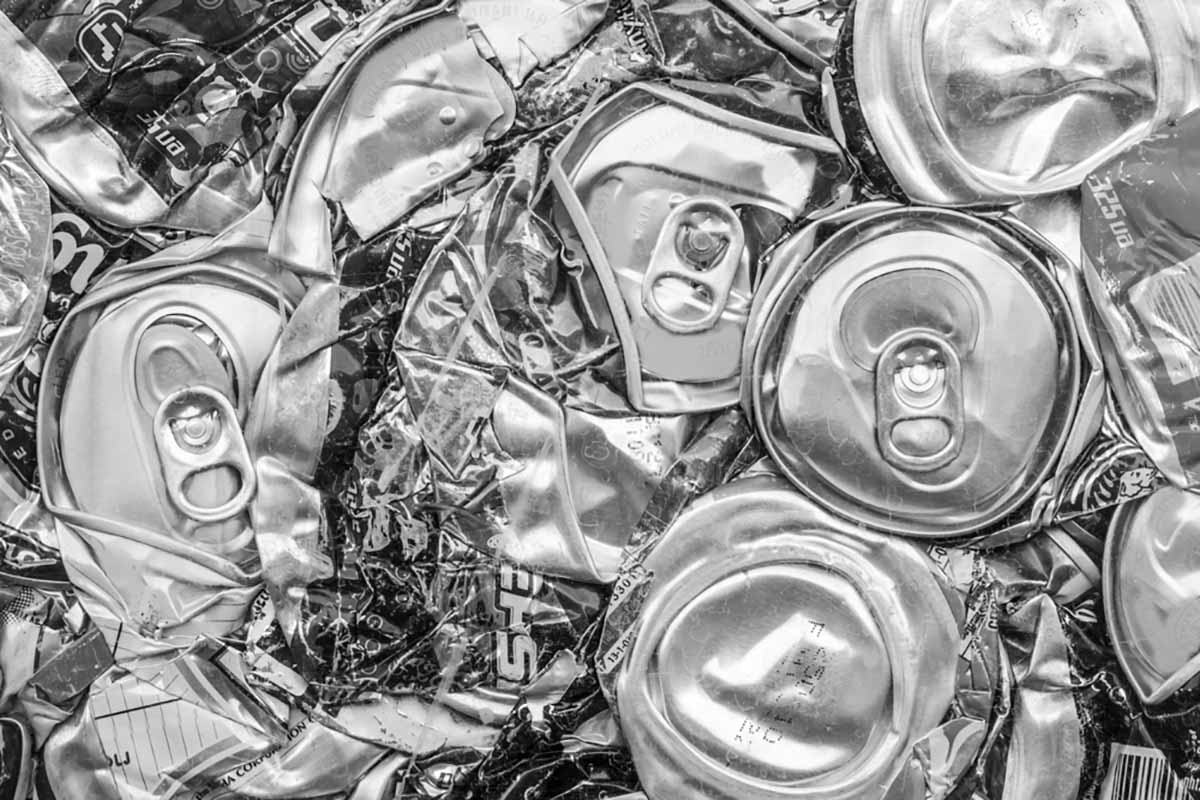
“Smart, targeted export controls that keep our highest-quality scrap, like used beverage containers, within our borders will help to build a stronger US aluminum industry,” said Aluminum Association President and CEO Charles Johnson in a statement.
The association’s white paper, Scrap the Exports, Save U.S. Supply, documented that the US consumes between 5 and 6 million metric tons of aluminum scrap annually while exporting more than 2 million metric tons. This material often ends up in non-market economies like China before returning as products that compete with American-made goods.
While the recycling industry has expressed little to no objection to a USITC investigation, it wants to be part of the conversation before any export restrictions follow.
Recycled Materials Association (ReMA) President Robin Wiener said the US already generates more recycled aluminum than domestic manufacturers can absorb. Exports, she said, keep recycling operations efficient, support infrastructure investment and recover material that otherwise wouldn’t move.
“Today, the United States generates more recycled aluminum of all grades than can be consumed by domestic manufacturers,” Wiener said in a statement. “These exports help maintain efficient recycling operations, support investment in infrastructure, and ensure the recovery of valuable materials.”
ReMA isn’t opposing the bill, but it’s making clear the data needs context.
Wiener said the organization looks forward to engaging with Stevens and policymakers to ensure discussions are “informed by a complete understanding of aluminum recycling, domestic market dynamics, and exports.”
As more domestic secondary aluminum capacity comes online, she added, US recycling companies are ready to meet that demand.
The bill has been referred to the House Committee on Foreign Affairs, with no timeline for the USITC to deliver its report to Congress specified in the legislation.