





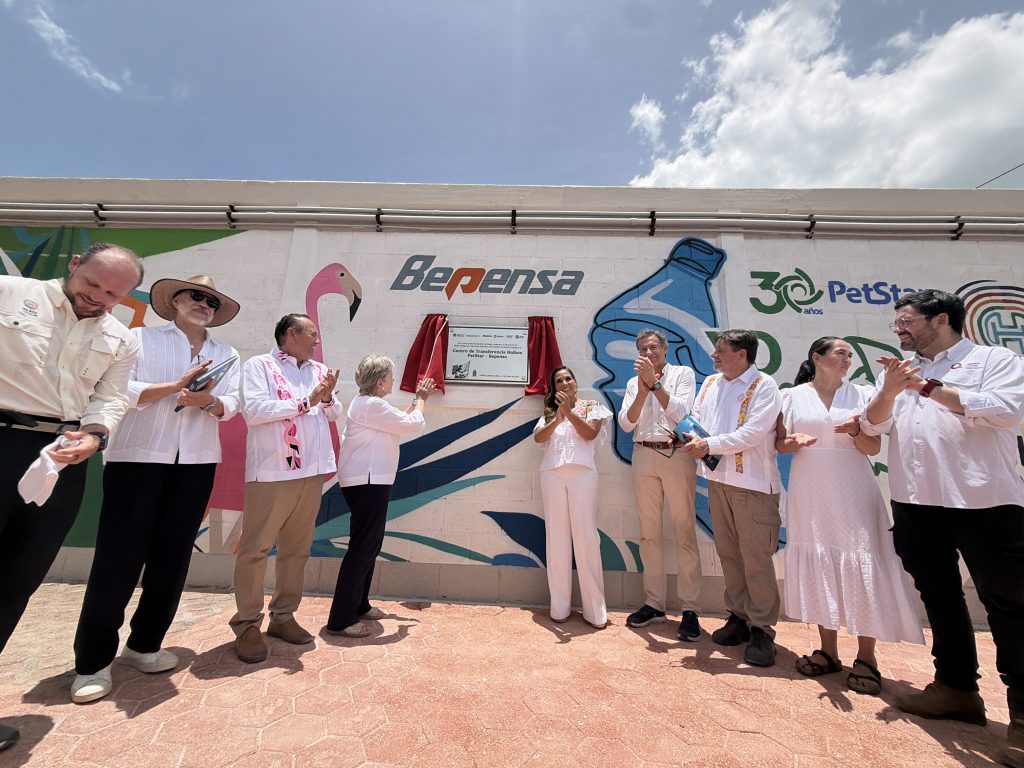
Major recycler PetStar and Bepensa Beverages have launched a new transfer center on a remote Mexican island, as part of a national zero-waste pilot program and amid implementation of a national packaging waste management plan.
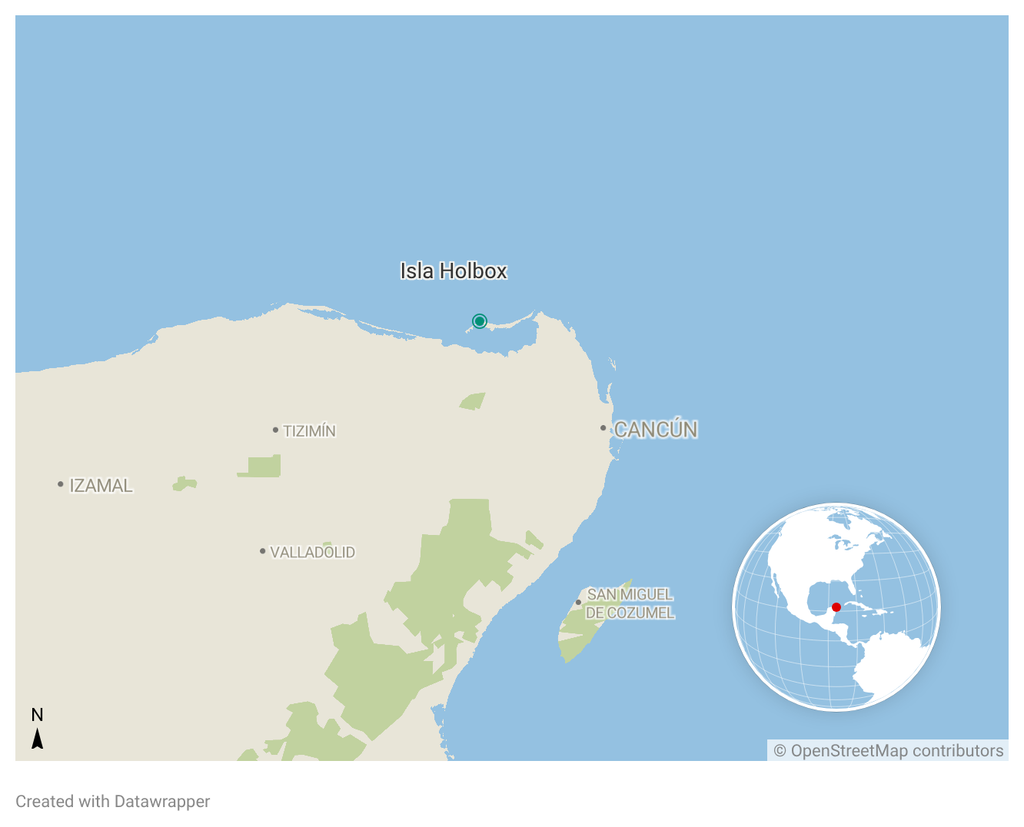
The new center will separate and process recyclables including plastic, aluminum, cardboard and glass on Isla Holbox, a small, car-free island off the northern coast of the Yucatan Peninsula in Quintana Roo state.
The narrow island — about 26 miles long and just 1 mile wide — is known for its unpaved, sand-covered streets and a ban on cars. Because the island has no landfill capable of handling complex waste streams, collecting, sorting and transporting recyclables back to the mainland for processing has historically been conducted via a patchwork of private companies.
Owned by several bottling companies, PetStar has run the world’s largest food-grade PET recycling plant since 2013. The ownership group includes Arca Continental, Coca-Cola de México, Bepensa, Corporación del Fuerte, Grupo RICA, Grupo Embotellador Nayar and Embotelladora de Colima.
PetStar also runs an inclusive waste collection model engaging more than 49,000 urban waste pickers, to integrate informal collectors into the PET value chain and improve social mobility.
Stakeholders have noted that EPR and circular economy policy in Mexico tend to be framed around social equity — particularly conditions for waste pickers — as much as plastic-waste reduction, and that stakeholder buy-in has generally been stronger in Latin America than in the US.
In recognition of the deep connections between the US and Mexico particularly in PET recycling, the US-based Association of Plastic Recyclers (APR) is expanding efforts in Latin America to support recycling.
APR is working with the National Association of Plastics Industries in Mexico (ANIPAC) on technical and strategic cooperation to promote best practices across the plastics value chain, and last year worked with ECOCE on harmonizing design guidance and published the APR design guide in Spanish.
APR owns Resource Recycling, Inc., publisher of Plastics Recycling Update.
Part of a larger pilot
The new transfer center supports the Holbox Circular initiative, a three-year national pilot launched in 2024 to create Mexico’s first zero-waste circular economy model. Partners in the program — which also targets renewable energy and sustainable waste management — include PetStar, Bepensa and ECOCE, the nonprofit that runs Mexico’s packaging compliance scheme on behalf of member companies.
Quintana Roo Gov. Mara Lezama has positioned Holbox as the flagship site for the federal government’s broader circular economy push.
So far, the project has recovered more than 6 million PET bottles and run over 20 cleanup days, pulling in a combined 17 tons of recyclable material.
The bigger regulatory picture
The opening doubled as a launch event for Mexico’s “Strategy Towards a Circular Mexico,” with officials including PetStar CEO Jaime Cámara, Mexico’s environment secretary Alicia Bárcena Ibarra, Gov. Lezama and Bepensa’s sustainability director Agustín Menéndez Reyes in attendance.
The timing lines up with Mexico’s new General Law on Circular Economy (LGEC), enacted in January 2026 — the country’s first framework extending waste regulation upstream into product design and production. Under the law:
- SEMARNAT (the federal environmental ministry) and state authorities must finalize regulations and harmonize local statutes within 180 days — putting the deadline around mid-to-late July 2026.
- A National Circular Economy Program, identifying priority sectors like plastics for the first implementation phase, is due roughly 12 months later.
Industry investment
Shareholder Arca Continental completed an expansion last year that boosted PetStar’s capacity by 70% and grew its collection network from eight to 24 centers. Arca also recently opened its first education center in Nuevo Leon, focused on bottle-to-bottle circularity. In 2025, the Coca-Cola bottler reported it was using an average of 36.6% recycled resin in its packaging.
In the US, Arca’s Coca-Cola Southwest Beverages division funneled nearly 17,000 tons of PET through PetStar — almost 70% of the company’s domestic volume. In 2022 the division became the first bottler in the US to use an average of 50% recycled materials.
The company also plans to invest about $1 billion this year in its Americas operations.