





Sales boosts in advanced materials and chemical intermediates fueled a 10% year-over-year sales revenue boost for Eastman, company leaders said in an earnings call Friday, with growth in advanced materials and fibers expected to deliver strong results through the end of the year.
The company posted Q2 sales revenue of $2.51 billion, up from $2.29 billion in Q2 2025 and from $2.18 billion in Q1 2026. EBIT soared to $311 million in Q2 2026 from $222 million the year prior.
CEO Mark Costa said a combination of higher sales volume and higher selling prices accounted for that increase, but the company was being “fair and reasonable” in increasing costs, accounting for material price increases without taking advantage of economic conditions. Adjusted earnings per diluted share stood at $1.97 for Q2 2026, up from $1.60 the year prior.
The company’s advanced materials segment saw 14% revenue growth as compared to Q1 2026, driven largely by 11% higher sales volume. The segment’s revenue reached $817 million in the most recent quarter. Interest remains strong in products like Tritan, Costa said, as customers launch new products using the copolyester. Mandates banning BPA in Europe have generated more interest in Tritan and other Eastman plastics in Europe, he said.
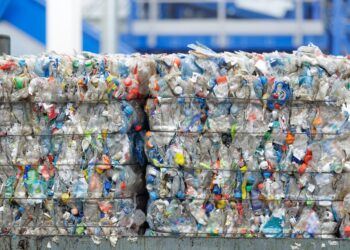
Eastman’s Renew line of plastic made from material that’s been recycled through methanolysis has also generated interest, particularly in consumer durables, cosmetics and beverage packaging, but further growing the line has been challenging as companies wait for an economic rebound, Costa said.
The company projects a lot of room for revenue growth with RPET, he said, as customers get accustomed to what he said are the superior benefits of plastic made through methanolysis as opposed to mechanical recycling. But ongoing supply chain and energy issues resulting from the conflict in the Middle East have maintained financial pressure across the board, he said.
“We’re not seeing anyone backing away from their commitments to use these recycled materials, but all brands are struggling out there. We held onto our premium customers buying these materials,” he said. “We’re not seeing anyone back off on the value of recycled products. That value is not going away. It’s not a partisan thing. No one likes plastic waste.”
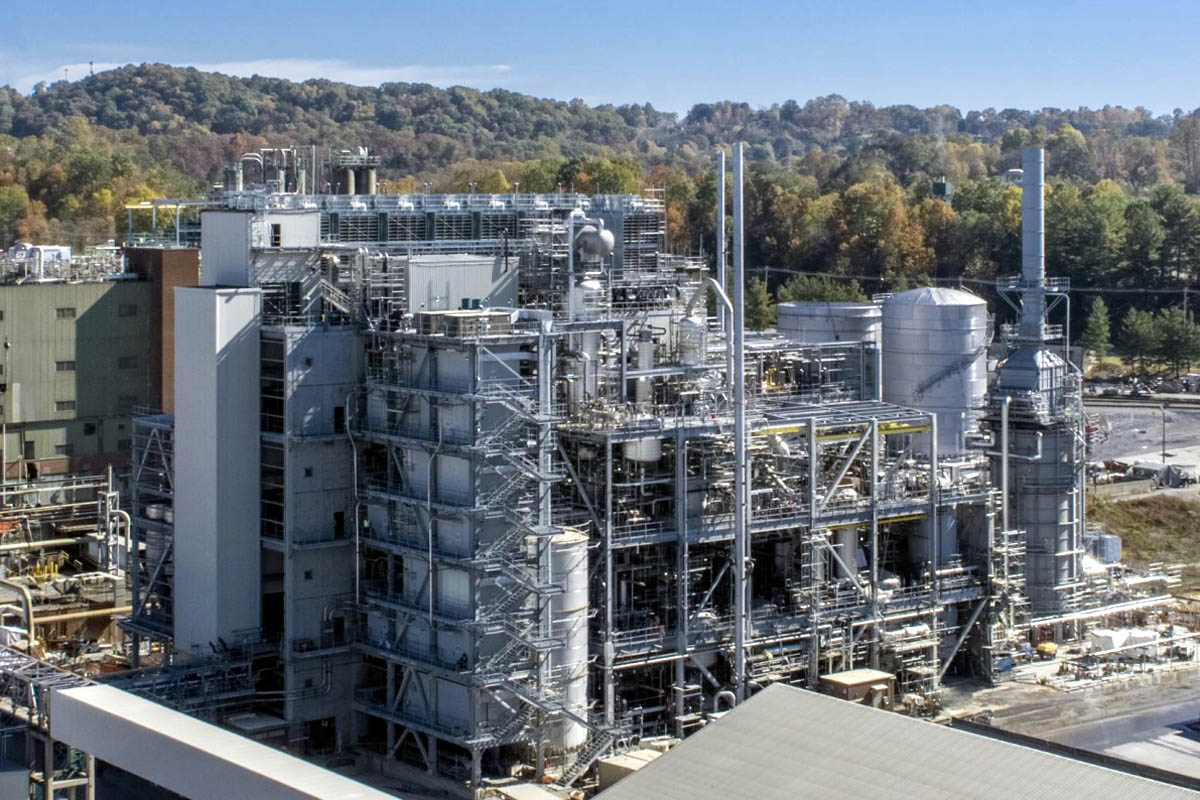
Eastman’s methanolysis plant at company headquarters in Kingsport, Tennessee, is building up revenue momentum that Costa said should post its strongest yield to date in Q4 2026; the facility is demonstrating it can operate well above original design capacity, he said. The company continues to revise plans for a proposed second site in Texas, construction for which was delayed last year after the Department of Energy canceled a nine-figure grant to help fund it, and Costa said he expects to announce soon what those plans look like.
Eastman’s full-year outlook remains consistent with first-quarter projections, Costa said, with advanced materials expected to post stronger results in the second half of the year. Favorable exchange rates and pricing actions will factor into this, he said, resulting in what are expected to be “significant” year-over-year EBIT improvement come January.
As a whole, two-thirds of the company’s revenue came from stable markets such as semiconductor solvents, pharmaceutical additives and aviation fluids, Costa said. To retain its position, Costs said the company is sticking to its full-year plan of enacting about $500 million in price increases, completing about $150 million in cost-reduction actions (net of inflation) and holding the line on capital expenditures, which should total around $400 million this year — $150 million less than in 2025.