




Resource Recycling
  • The Latest
  • Analysis
    • All
    • Certification Scorecard
    • Industry Announcements
    • Opinion
    The electronics recycling industry is undergoing a transformation from labor-intensive manual operations to highly automated, AI-driven facilities that use advanced robotics, cleaner chemistry and digital tracking systems to extract critical materials.

    The cyber-physical MRF: AI and robotics reshape e-waste recovery

    Certification scorecard for the week of Feb. 9, 2026

    Meta-Corning deal signals IT hardware retirement wave

    Meta-Corning deal signals IT hardware retirement wave

    Malaysia clamps down on illegal e-waste imports amid probes

    Malaysia clamps down on illegal e-waste imports amid probes

    URT builds alliance to remake electronics plastics at scale

    ICYMI: Top 5 e-scrap stories from January 2026

    The electronics recycling industry is undergoing a transformation from labor-intensive manual operations to highly automated, AI-driven facilities that use advanced robotics, cleaner chemistry and digital tracking systems to extract critical materials.

    Certification scorecard for the week of Feb. 2, 2026

    Auditors warn EU may fall short on critical metals

    Auditors warn EU may fall short on critical metals

    Industry announcements for January 2026

    Industry announcements for February 2026

    ICYMI: Top 5 recycling stories from January 2026

  • Conferences
  • Publications

    Other Topics

    Textiles
    Organics
    Packaging
    Glass
    Brand Owners

    Metals
    Technology
    Research
    Markets
    Grant Watch

    All Topics

Subscribe
No Result
View All Result
Resource Recycling
  • The Latest
  • Analysis
    • All
    • Certification Scorecard
    • Industry Announcements
    • Opinion
    The electronics recycling industry is undergoing a transformation from labor-intensive manual operations to highly automated, AI-driven facilities that use advanced robotics, cleaner chemistry and digital tracking systems to extract critical materials.

    The cyber-physical MRF: AI and robotics reshape e-waste recovery

    Certification scorecard for the week of Feb. 9, 2026

    Meta-Corning deal signals IT hardware retirement wave

    Meta-Corning deal signals IT hardware retirement wave

    Malaysia clamps down on illegal e-waste imports amid probes

    Malaysia clamps down on illegal e-waste imports amid probes

    URT builds alliance to remake electronics plastics at scale

    ICYMI: Top 5 e-scrap stories from January 2026

    The electronics recycling industry is undergoing a transformation from labor-intensive manual operations to highly automated, AI-driven facilities that use advanced robotics, cleaner chemistry and digital tracking systems to extract critical materials.

    Certification scorecard for the week of Feb. 2, 2026

    Auditors warn EU may fall short on critical metals

    Auditors warn EU may fall short on critical metals

    Industry announcements for January 2026

    Industry announcements for February 2026

    ICYMI: Top 5 recycling stories from January 2026

  • Conferences
  • Publications

    Other Topics

    Textiles
    Organics
    Packaging
    Glass
    Brand Owners

    Metals
    Technology
    Research
    Markets
    Grant Watch

    All Topics

Subscribe
No Result
View All Result
Resource Recycling
No Result
View All Result
Home Plastics

PureCycle PP recycling project gets $3 million boost

byJared Paben
June 13, 2018
in Plastics

The Closed Loop Fund will provide millions of dollars to help scale up a PP recycling technology in Ohio.

The organization, which finances recycling infrastructure projects, announced a $3 million loan to PureCycle Technologies. The investment comes nearly a year after PureCycle broke ground on a recycling facility in Ironton, Ohio.

A new company, PureCycle is commercializing a PP recycling and purification technology developed and licensed by Procter & Gamble (P&G).

“Our (consumer packaged goods) partners want post-consumer recycled PP, but we need technologies like PureCycle’s to ensure enough material is available at the specifications brands need. We anticipate significant market opportunity for PureCycle,” Ron Gonen, CEO of Closed Loop Fund, stated in a press release. Funded by major brand owners, Closed Loop Fund was founded in 2014 with a goal of investing $100 million by 2020.

The technology is described as a mechanical recycling process that involves purifying colored and contaminated PP in multiple steps. According to PureCycle, it can generate recycled PP with virgin-like properties. Although it is starting with a smaller scale evaluation unit, PureCycle is planning a facility capable of processing 100 million pounds per year.

Plastics Recycling Update took a closer look at the company and technology in July 2017, when the project broke ground.

“This is a case where a hundred-billion-dollar industry required new technology to meet a compelling, unmet need,” Mike Otworth, CEO of PureCycle Technologies, stated in the release. “Until now, recycled PP had limited applications. We’re single-handedly removing those limitations and giving companies the choice to use more sustainable, recycled resins.”

For its part, P&G has emphasized several times how important the project is to opening up the supply of recycled PP for its use.

“P&G has been using recycled plastic in our packaging since the late 1980s, but our use of recycled PP has been limited due to a lack of availability of high-quality material,” the company’s 2017 citizenship report states. “We needed a solution, so one of our scientists invented a technology to remove the color, odor and contaminants from recycled PP. We are scaling up this innovation with PureCycle Technologies and look for it to unlock the potential for billions of pounds of high-quality recycled PP to replace virgin materials for P&G and many other companies.”

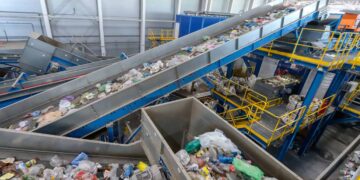
Photo credit: Josep Curto/Shutterstock

 

AMUT Group ad

Tags: Brand OwnersHard-to-Recycle MaterialsPPTechnology
TweetShare
Jared Paben

Jared Paben

Related Posts

The electronics recycling industry is undergoing a transformation from labor-intensive manual operations to highly automated, AI-driven facilities that use advanced robotics, cleaner chemistry and digital tracking systems to extract critical materials.

The cyber-physical MRF: AI and robotics reshape e-waste recovery

byDavid Daoud
February 12, 2026

The electronics recycling industry is entering a new phase of technological acceleration. Advances in artificial intelligence, robotics, advanced chemistry, and...

Texas sues over dumped wind turbine blades

Texas sues over dumped wind turbine blades

byScott Snowden
February 10, 2026

The state attorney general sued Global Fiberglass Solutions over alleged illegal storage and disposal of all turbine blades at two...

Kentucky’s Global Polymers expanding, moving to Indiana

byAntoinette Smith
February 6, 2026

The polypropylene recycler will invest $8.5 million to fit an existing facility in Charlestown, across the Ohio River from its...

PP cups now ‘widely recyclable’ with increased acceptance

byAntoinette Smith
February 3, 2026

With more than 60% of US households having access to curbside recycling collection for PP to-go drink cups, the How2Recycle...

Cirba Solutions: Battery fires stoking EPR bill movement

byStefanie Valentic
February 2, 2026

As batteries appear in everything from light-up shoes to electric vehicles, new EPR laws are reshaping recycling requirements.

Solarcycle starts up Georgia recycling plant

Solarcycle starts up Georgia recycling plant

byScott Snowden
January 30, 2026

Solarcycle has begun operating its Cedartown solar panel recycling facility, clarifying the status of a long-planned project that was previously...

Load More
Next Post

Gap widens between natural and color HDPE pricing

More Posts

Oregon’s Recycling Modernization Act faces injunction

Court partially blocks Oregon EPR law, dismisses bulk of lawsuit

February 10, 2026
Chinese processing group details goals for US visit

AMP lays out vision of next-generation, AI-driven MRFs

July 24, 2024
Malaysia clamps down on illegal e-waste imports amid probes

Malaysia clamps down on illegal e-waste imports amid probes

February 6, 2026

REUSE Act heads to US House for consideration

February 9, 2026
Meta-Corning deal signals IT hardware retirement wave

Meta-Corning deal signals IT hardware retirement wave

February 9, 2026

ecoATM recycled 7.5M phones in 2025 as payouts hit $1.5B

February 10, 2026
Texas sues over dumped wind turbine blades

Texas sues over dumped wind turbine blades

February 10, 2026

APR, industry create proactive guidance for PET caps

February 12, 2026

Alpek talks PET overcapacity, soft demand

February 11, 2026
The electronics recycling industry is undergoing a transformation from labor-intensive manual operations to highly automated, AI-driven facilities that use advanced robotics, cleaner chemistry and digital tracking systems to extract critical materials.

The cyber-physical MRF: AI and robotics reshape e-waste recovery

February 12, 2026
Load More

About & Publications

About Us

Staff

Archive

Magazine

Work With Us

Advertise
Jobs
Contact
Terms and Privacy

Newsletter

Get the latest recycling news and analysis delivered to your inbox every week. Stay ahead on industry trends, policy updates, and insights from programs, processors, and innovators.

Subscribe

Welcome Back!

Login to your account below

Forgotten Password?

Retrieve your password

Please enter your username or email address to reset your password.

Log In

Add New Playlist

No Result
View All Result
  • The Latest
  • Analysis
  • Recycling
  • E-Scrap
  • Plastics
  • Policy Now
  • Conferences
    • E-Scrap Conference
    • Plastics Recycling Conference
    • Resource Recycling Conference
    • Textiles Recovery Summit
  • Magazine
  • About Us
  • Advertise
  • Archive
  • Jobs
  • Staff
Subscribe
This website uses cookies. By continuing to use this website you are giving consent to cookies being used. Visit our Privacy and Cookie Policy.