


Resource Recycling
  • The Latest
  • Analysis
    • All
    • Certification Scorecard
    • Industry Announcements
    • Opinion
    The electronics recycling industry is undergoing a transformation from labor-intensive manual operations to highly automated, AI-driven facilities that use advanced robotics, cleaner chemistry and digital tracking systems to extract critical materials.

    The cyber-physical MRF: AI and robotics reshape e-waste recovery

    Certification scorecard for the week of Feb. 9, 2026

    Meta-Corning deal signals IT hardware retirement wave

    Meta-Corning deal signals IT hardware retirement wave

    Malaysia clamps down on illegal e-waste imports amid probes

    Malaysia clamps down on illegal e-waste imports amid probes

    URT builds alliance to remake electronics plastics at scale

    ICYMI: Top 5 e-scrap stories from January 2026

    The electronics recycling industry is undergoing a transformation from labor-intensive manual operations to highly automated, AI-driven facilities that use advanced robotics, cleaner chemistry and digital tracking systems to extract critical materials.

    Certification scorecard for the week of Feb. 2, 2026

    Auditors warn EU may fall short on critical metals

    Auditors warn EU may fall short on critical metals

    Industry announcements for January 2026

    Industry announcements for February 2026

    ICYMI: Top 5 recycling stories from January 2026

  • Conferences
  • Publications

    Other Topics

    Textiles
    Organics
    Packaging
    Glass
    Brand Owners

    Metals
    Technology
    Research
    Markets
    Grant Watch

    All Topics

Subscribe
No Result
View All Result
Resource Recycling
  • The Latest
  • Analysis
    • All
    • Certification Scorecard
    • Industry Announcements
    • Opinion
    The electronics recycling industry is undergoing a transformation from labor-intensive manual operations to highly automated, AI-driven facilities that use advanced robotics, cleaner chemistry and digital tracking systems to extract critical materials.

    The cyber-physical MRF: AI and robotics reshape e-waste recovery

    Certification scorecard for the week of Feb. 9, 2026

    Meta-Corning deal signals IT hardware retirement wave

    Meta-Corning deal signals IT hardware retirement wave

    Malaysia clamps down on illegal e-waste imports amid probes

    Malaysia clamps down on illegal e-waste imports amid probes

    URT builds alliance to remake electronics plastics at scale

    ICYMI: Top 5 e-scrap stories from January 2026

    The electronics recycling industry is undergoing a transformation from labor-intensive manual operations to highly automated, AI-driven facilities that use advanced robotics, cleaner chemistry and digital tracking systems to extract critical materials.

    Certification scorecard for the week of Feb. 2, 2026

    Auditors warn EU may fall short on critical metals

    Auditors warn EU may fall short on critical metals

    Industry announcements for January 2026

    Industry announcements for February 2026

    ICYMI: Top 5 recycling stories from January 2026

  • Conferences
  • Publications

    Other Topics

    Textiles
    Organics
    Packaging
    Glass
    Brand Owners

    Metals
    Technology
    Research
    Markets
    Grant Watch

    All Topics

Subscribe
No Result
View All Result
Resource Recycling
No Result
View All Result
Home E-Scrap

State looks to reduce e-scrap program revenues

byJared Paben
June 13, 2019
in E-Scrap
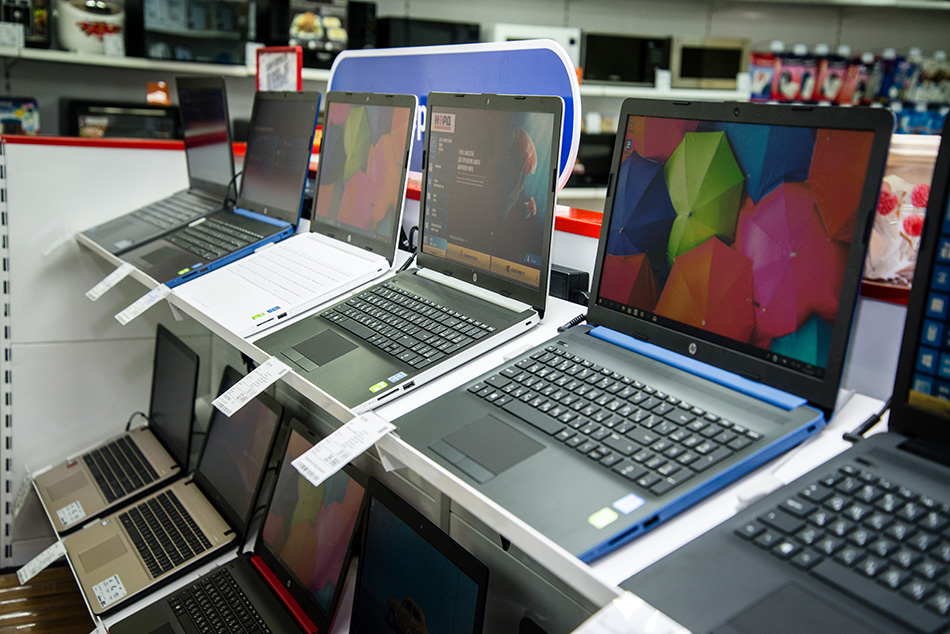
Laptops displayed at an electronics store.

California regulators plan to lower the fees consumers pay to fund electronics recycling. The issue? The state is accumulating too much money.

The California Department of Resources Recycling and Recovery (CalRecycle), which oversees the oldest state e-scrap recycling program in the country, is proposing to lower the fees consumers pay when they buy new electronics.

The move is in response to e-scrap processors handling significantly lower weights of regulated material in recent years. As a result, CalRecycle is paying processors less money out of the state fund, and the fund balance keeps growing.

The fees vary depending on the size of the screen. They are currently $5 for each device with a screen less than 15 inches (anything 4 inches and less is exempt), $6 for 15- to 34-inch screens and $7 for 35-plus-inch screens. At the CalRecycle monthly public meeting scheduled for June 18, the agency will consider reducing the charges to $4, $5 and $6.

Under the state program, fees are paid on purchases of new CRTs TVs and monitors (not a reality in today’s marketplace), LCD TVs and monitors, laptops and tablets with LCD screens, plasma TVs, and portable DVD players with LCD screens.

The state collects the money and uses it to pay companies that collect and recycle covered devices. CalRecycle currently provides collection and recycling payments of 49 cents per pound for CRTs and 60 cents per pound for non-CRT covered devices. It paid them a combined $53.5 million during the 2017-18 fiscal year.

All told, from Jan. 1, 2005, when the program began, through the end of 2018, the state has paid e-scrap processors about $1 billion to recycle over 2.3 billion pounds.

Dropping weights

California’s program has seen lower collection and recycling weights since 2012, but the decreases have accelerated over the past few years, in particular. Last year, CalRecycle received payment claims for just over 100 million pounds of e-scrap, down 21% from 2017, which was down 17% from 2016, which was down 13% from 2015.

“In recent years, the amount of recovered and recycled CRT devices has continued to decline significantly due to legacy stockpile depletion, at the same time as the amount of non-CRT devices increases,” CalRecycle staff wrote in a memo.

The end-of-life stream has been shifting in California for years, as the CRT wave has broken and receded. In 2013, non-CRT devices made up over 2% by weight for the first time. Fast forward to 2017, when they made up 14% by weight. Last year, non-CRT devices made up about 20% of the stream.

The shifts prompted CalRecycle to create a non-CRT payment rate last year. Previously, the agency paid processors the same rate for all covered device types.

Because CalRecycle is paying processors less out of the fund, the balance has grown. CalRecycle expects to end the 2018-19 fiscal year with a fund balance of $113.5 million, up from $110.9 million the year before.

If approved, the lower fees would go into effect starting Jan. 1, 2020, midway through the 2019-20 fiscal year, which starts July 2019 and runs through June 2020. If CalRecycle kept the current fees, it would collect about $86.5 million during the 2019-20 fiscal year. If it reduces each fee by $1, it would expect to bring in $80.9 million.

In memos, CalRecycle staff say the reduced fees will bring the fund reserve down over the next few fiscal years while still providing enough money to run the program and respond to unexpected expenses.

Photo credit: woff/Shutterstock
 

Tags: CaliforniaEPR
TweetShare
Jared Paben

Jared Paben

Related Posts

Oregon’s Recycling Modernization Act faces injunction

Court partially blocks Oregon EPR law, dismisses bulk of lawsuit

byStefanie Valentic
February 10, 2026

An Oregon federal court issued a limited injunction halting the state's EPR law for members of NAW, but rejected the...

Dual WM MRF launch strengthens Ontario recycling infrastructure

Dual WM MRF launch strengthens Ontario recycling infrastructure

byStefanie Valentic
February 9, 2026

WM has opened two new facilities in Ontario capable of processing 30% of the province's total volumes under new EPR...

States push recycling reform forward in new year

byStefanie Valentic
February 2, 2026

New Jersey just passed a bill restricting single-use plastic items, California has opened another round of public comment on SB...

Cirba Solutions: Battery fires stoking EPR bill movement

byStefanie Valentic
February 2, 2026

As batteries appear in everything from light-up shoes to electric vehicles, new EPR laws are reshaping recycling requirements.

Stakeholders respond to California recyclability report

CalRecycle opens SB 54 draft for comments

byStefanie Valentic
February 2, 2026

Editor’s Note: California EPR will be featured in sessions at the co-located 2026 Resource Recycling Conference and Plastics Recycling Conference,...

Emerging state EPR shows trend toward harmonization

Emerging state EPR shows trend toward harmonization

byAntoinette Smith
January 29, 2026

During an APR webinar, recycling policy experts explored the growing list of EPR bills for packaging, and the implications for...

Load More
Next Post
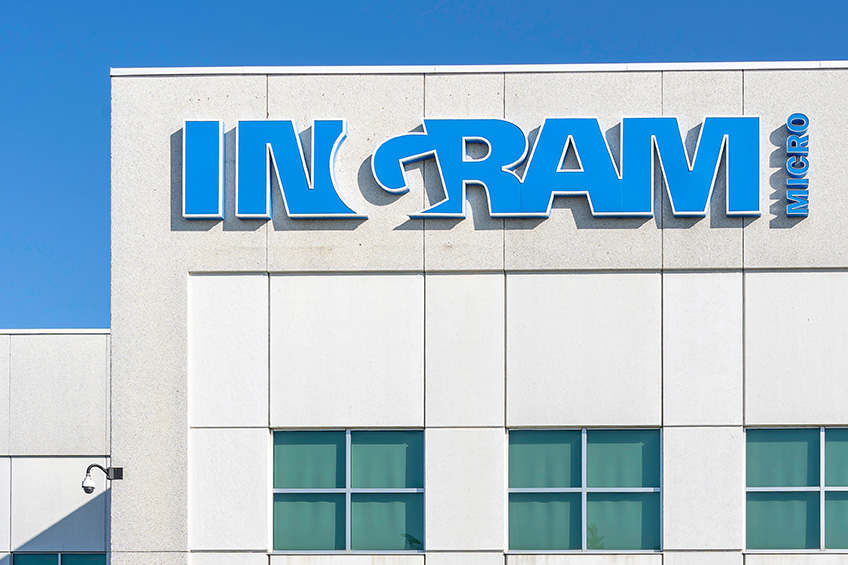
Ingram Micro building exterior.

Partnership model helps firm expand ITAD globally

More Posts

Oregon’s Recycling Modernization Act faces injunction

Court partially blocks Oregon EPR law, dismisses bulk of lawsuit

February 10, 2026
Chinese processing group details goals for US visit

AMP lays out vision of next-generation, AI-driven MRFs

July 24, 2024
Malaysia clamps down on illegal e-waste imports amid probes

Malaysia clamps down on illegal e-waste imports amid probes

February 6, 2026

REUSE Act heads to US House for consideration

February 9, 2026
Meta-Corning deal signals IT hardware retirement wave

Meta-Corning deal signals IT hardware retirement wave

February 9, 2026

ecoATM recycled 7.5M phones in 2025 as payouts hit $1.5B

February 10, 2026
Texas sues over dumped wind turbine blades

Texas sues over dumped wind turbine blades

February 10, 2026

APR, industry create proactive guidance for PET caps

February 12, 2026

Alpek talks PET overcapacity, soft demand

February 11, 2026
The electronics recycling industry is undergoing a transformation from labor-intensive manual operations to highly automated, AI-driven facilities that use advanced robotics, cleaner chemistry and digital tracking systems to extract critical materials.

The cyber-physical MRF: AI and robotics reshape e-waste recovery

February 12, 2026
Load More

About & Publications

About Us

Staff

Archive

Magazine

Work With Us

Advertise
Jobs
Contact
Terms and Privacy

Newsletter

Get the latest recycling news and analysis delivered to your inbox every week. Stay ahead on industry trends, policy updates, and insights from programs, processors, and innovators.

Subscribe

Welcome Back!

Login to your account below

Forgotten Password?

Retrieve your password

Please enter your username or email address to reset your password.

Log In

Add New Playlist

No Result
View All Result
  • The Latest
  • Analysis
  • Recycling
  • E-Scrap
  • Plastics
  • Policy Now
  • Conferences
    • E-Scrap Conference
    • Plastics Recycling Conference
    • Resource Recycling Conference
    • Textiles Recovery Summit
  • Magazine
  • About Us
  • Advertise
  • Archive
  • Jobs
  • Staff
Subscribe
This website uses cookies. By continuing to use this website you are giving consent to cookies being used. Visit our Privacy and Cookie Policy.