
It is rare that I get the opportunity to thank Jim Puckett, but I need to do just that for the recognition he provided of ISRI’s environmental justice (EJ) policy in his recent op-ed in E-Scrap News.
As noted in ISRI’s EJ statement, recyclers are committed to being good neighbors in their communities by operating environmentally responsible and safe recycling facilities, and by engaging in our communities. We recognize our role in building and maintaining healthy neighborhoods.

Through these activities, recyclers seek to be recognized as members of and partners in their community’s well-being and growth. Recycling is essential to communities, just as it is essential to the manufacturing supply chain in the United States and globally.
Unfortunately, in the same column where he commended ISRI for our new policy, Puckett, who is head of the nonprofit Basel Action Network, incorrectly characterized ISRI’s activities around international trade. He also neglected to mention our proactive efforts aimed at encouraging responsible recycling around the world. ISRI’s core mission is to promote safe, economically sustainable and environmentally responsible recycling. We do that not only in the United States, but also globally in partnership with our counterparts around the world.
More and more frequently, we are doing this in direct response to requests from other country governments that are looking to support and grow their own recycling systems to advance their country’s sustainability goals, protect the environment and create economic opportunities for their citizens. Nations come to ISRI seeking access to the latest innovations in recycling technologies and processes, as well as for best practices and standards. We share all of this freely and offer to provide training and additional resources as each country requires.
ISRI standards and specs help foreign regulators
The results of this work abound. As early as 2004, after several meetings between ISRI and the Chinese Government, the Government of China incorporated the Recycling Industry Operating Standard (RIOS) into its import permit regulations as a means of raising import standards and ensuring quality product shipments. RIOS is the environmental, health and safety management system developed nearly 20 years ago by ISRI specifically for recyclers.
More recently, we have seen the government of India incorporate ISRI’s specifications into their customs rules to facilitate the entry of high-quality recyclable commodities while keeping out waste materials that are unacceptable and illegal for import.
ISRI has spent a lot of time over the last 15 years meeting with government officials representing environmental, industry and trade ministries in India, China, Indonesia, Malaysia and other countries in the developing world. The common thread through all these discussions is the desire of each of these countries to differentiate shipments of commodity-grade recyclable materials needed to supply their domestic manufacturing operations from shipments of waste, and to find ways to increase enforcement of illegal shipments. Unfortunately, to the untrained eye, legitimate commodity-grade recyclables and waste materials can look very similar. That is why, two years ago we provided training for Cotecna, the company in the United States that does pre-shipment inspections for material going to Indonesia.
We have also met with customs officials based in Indonesia and Malaysia during visits before the COVID-19 pandemic. More recently, we conducted a virtual program with the Malaysian government agency that will oversee inspections for that country. All of this was done to help improve enforcement activities and support the fight against illegal shipments.
We share the frustration of these governments, and their desire to find ways to shut down those bad players that are shipping waste under the banner of recycling. Having been with ISRI more than 30 years, I can categorically state that ISRI has consistently and continuously condemned the movement of waste across borders and has always supported bans on the trade in waste.
However, what we have never supported – and will never support – are bans that include commodity-grade recyclable materials that are part of the global manufacturing supply chain. That is why, to date, we have not supported U.S. ratification of the Basel Convention.
Unfortunately, the term “waste” is the predominant term used in the Basel Convention to refer to materials in the recycling process, including many commodity-grade materials. Many countries reflect the Basel Convention terminology and definitions in their own national legislation, thus further confusing the difference between commodity-grade recyclables and waste. The Basel Convention also contains definitions that confuse the process of recycling with waste management activities such as disposal and treatment. This again is carried forward into the laws of many countries.
Global recycling trade leads to wider resiliency
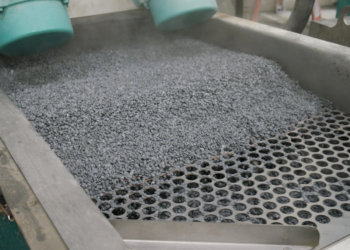
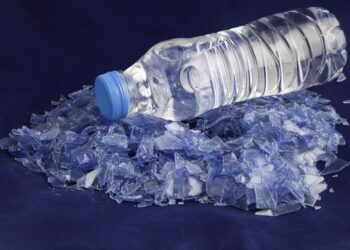
Worldwide, more than 900 million metric tons of commodity-grade recyclables are consumed by steel mills, foundries, paper mills, refiners and plastics formulators. More than 25% of that amount constitutes cross-border trade fed by a demand-driven manufacturing supply chain that relies on recyclable materials for an average of 40% of its feedstock.
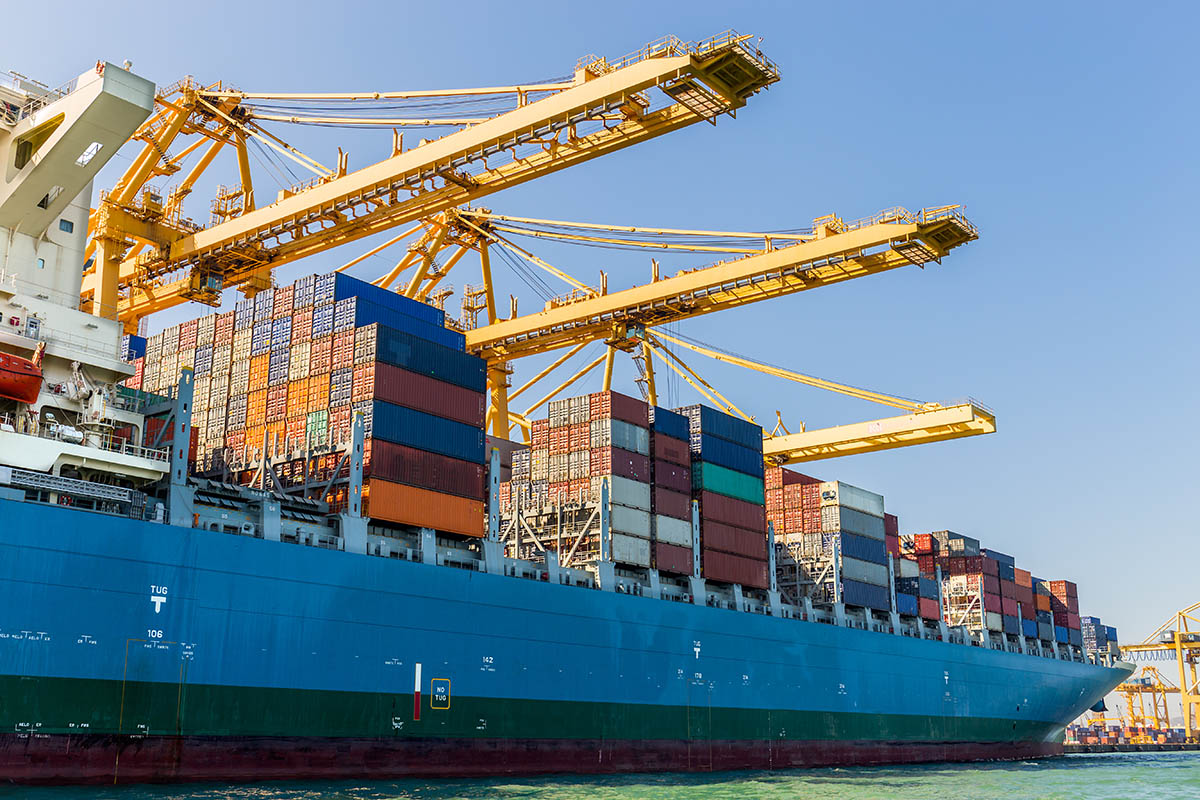
In 2020, the U.S. recycling industry processed over 130 million tons of commodity-grade recyclable materials, and recycled commodities worth a combined $20.8 billion were exported to feed manufacturing operations located in approximately 140 different countries.
These are products – not waste materials – that are purchased for their value to the manufacturing process; they are not exported for disposal or treatment. This trade helps create a more resilient planet in an increasingly resource-constrained world. It also supports the livelihoods of hundreds of millions of people in the developed and developing worlds.
Shutting down the trade in commodity-grade recyclable feedstock is not the answer. It is short-sighted and will do more harm to the circular economy and the environment in the long run, not to mention the harm it will do in communities around the world that rely on recycling activities to support family livelihoods. In my eyes, that is what creates the need for environmental justice.
ISRI will continue to work tirelessly with our members in the United States and around the world to help raise environmental performance and workplace safety by providing compliance resources and assistance, education, training, and outreach. This work not only benefits our members. It also benefits the communities that they serve and, ultimately, communities around the world.
Robin Wiener is the president of the Institute of Scrap Recycling Industries (ISRI). The “voice of the recycling industry,” ISRI represents 1,300 companies in 19 chapters in the U.S. and more than 40 countries that process, broker, and consume scrap commodities, including metals, paper, plastics, glass, rubber, electronics and textiles.
The views and opinions expressed are those of the author and do not imply endorsement by Resource Recycling, Inc. If you have a subject you wish to cover in an op-ed, please send a short proposal to news@resource-recycling.com for consideration.