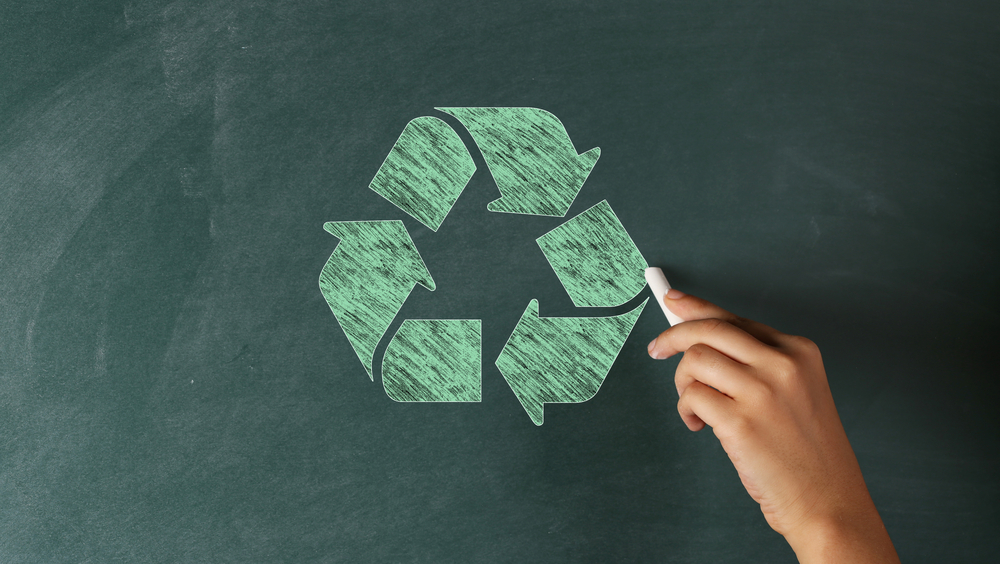
The latest revision to the US Plastics Pact (USPP) list of “problematic and unnecessary materials” will drop expanded polystyrene (EPS) transport packaging from the roster.
A statement from the USPP said the move was made after evidence showed EPS packaging has achieved a recycling rate at or above 30%, which is considered the threshold for material evaluation. Resource Recycling Systems (RRS) first reported a 31% recycling rate for EPS packaging in 2024, crediting recycling infrastructure and technology upgrades for the uptick.
The move only applies to EPS transport packaging, which is used for appliances, pharmaceuticals and cold-chain logistics, as opposed to EPS or polystyrene more broadly. Its commercial use and subsequent disposal through those channels or at drop-off sites keeps the material out of curbside collections, mitigating contamination of the product.
The USPP said more progress is needed in terms of ESP’s recyclability, but that movement is enough to remove it from the list.
“The progress demonstrated by the EPS transport packaging industry is encouraging and highlights several approaches that can help advance circularity in other material categories,” the USPP’s statement said. “Building strong end markets through greater use of postconsumer recycled content can create incentives for collection and recycling. Investing in infrastructure that addresses material-specific barriers — such as densification to make EPS transportation more efficient — can help improve collection economics. And consistent data collection and measurement are essential to tracking progress, understanding what is working and identifying where additional interventions are needed.”
The Polystyrene Recycling Alliance (PRA) requested a review of the list this past spring, asking that both EPS transport packaging and rigid polystyrene be removed. Company leadership cited the RRS report as one key reason for the proposed switch.
“Polystyrene is a valuable, recyclable resource with a clear pathway to circularity and plays a critical role in the emerging circular economy for plastics,” PRA chair Justin Riney said. “The focus should be on scaling solutions and investing in the systems that are already working.”
The USPP formed in 2020 and has more than 100 signatories, including large public and private organizations. It released its initial list of materials to avoid in 2022 due to their inability to be reused, recycled or composted at scale. The agency has revised the list a handful of times since; this is the first time something has been removed from the list.
Evaluations of other materials on the list continue as part of a wider review, the USPP said.
This is the first action on the list taken under the leadership of Crystal Bayliss, who took over as USPP executive director earlier this summer.