






New York’s Packaging Reduction and Recycling Infrastructure Act (PRRIA) has not reached the finish line. The state legislature adjourned without voting on SB 1464A / A1749A, sponsored by Sen. Pete Harckham and Assemblymember Deborah Glick.
The outcome marks the third session in which the bill cleared the Senate only to stall in the Assembly. Previous versions of the legislation passed the Senate in both 2024 and 2025 but met the same fate.
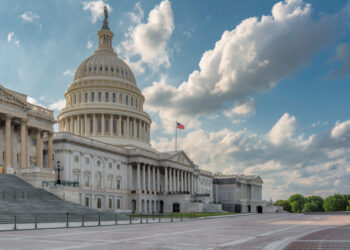
In a push before the deadline, Harckham and Glick held a press conference at the Capitol alongside representatives from NRDC, Sierra Club, Consumer Reports, Riverkeeper and more than a dozen other organizations.
The session came after nearly 150 amendments dropped in late April, with sponsors saying the revisions drew on EPR frameworks already in place in other states, pulling definitions and policy structures from Minnesota and California, extending implementation timelines and updating post-consumer recycled content requirements.
The bill would require producers to cover the cost of managing post-consumer packaging waste, a cost currently absorbed by local governments and taxpayers, establishing a statewide EPR program for producers with more than $5 million in annual net revenue responsible for more than 2 tons of annual packaging waste.
Those producers would need to reduce packaging by 10% within three years and 30% within 12 years. The bill also set reuse and recycling rate targets of 35% by 2032, scaling to 75% by 2052, and called for eliminating PFAS-containing packaging four years after program rules took effect.
New York spent an estimated $788 million on recycling last year. Bill supporters say PRRIA would save the state $1.3 billion over a decade.
Industry opposition centered on cost concerns. The American Forest and Paper Association cited a study estimating that PRRIA could increase the cost of everyday essentials by up to $732 per year for a family of four, and pointed to polling showing 56% of New Yorkers believe an EPR program would drive up costs.
A coalition of more than 80 business associations also opposed the amended bill, arguing that no formal negotiation process had taken place.
A 2025 Siena poll found 73% of registered New York voters support the legislation, with no demographic group, by gender, age or region, falling below 70% in favor.
Sen. Harckham told the press that the effort will continue next session, but because Assembly sponsor Deborah Glick is retiring, the bill will need a new sponsor in the lower chamber.