








Resource Recycling
  • The Latest
  • Analysis
    • All
    • Certification Scorecard
    • Industry Announcements
    • Opinion
    The electronics recycling industry is undergoing a transformation from labor-intensive manual operations to highly automated, AI-driven facilities that use advanced robotics, cleaner chemistry and digital tracking systems to extract critical materials.

    The cyber-physical MRF: AI and robotics reshape e-waste recovery

    Certification scorecard for the week of Feb. 9, 2026

    Meta-Corning deal signals IT hardware retirement wave

    Meta-Corning deal signals IT hardware retirement wave

    Malaysia clamps down on illegal e-waste imports amid probes

    Malaysia clamps down on illegal e-waste imports amid probes

    URT builds alliance to remake electronics plastics at scale

    ICYMI: Top 5 e-scrap stories from January 2026

    The electronics recycling industry is undergoing a transformation from labor-intensive manual operations to highly automated, AI-driven facilities that use advanced robotics, cleaner chemistry and digital tracking systems to extract critical materials.

    Certification scorecard for the week of Feb. 2, 2026

    Auditors warn EU may fall short on critical metals

    Auditors warn EU may fall short on critical metals

    Industry announcements for January 2026

    Industry announcements for February 2026

    ICYMI: Top 5 recycling stories from January 2026

  • Conferences
  • Publications

    Other Topics

    Textiles
    Organics
    Packaging
    Glass
    Brand Owners

    Metals
    Technology
    Research
    Markets
    Grant Watch

    All Topics

Subscribe
No Result
View All Result
Resource Recycling
  • The Latest
  • Analysis
    • All
    • Certification Scorecard
    • Industry Announcements
    • Opinion
    The electronics recycling industry is undergoing a transformation from labor-intensive manual operations to highly automated, AI-driven facilities that use advanced robotics, cleaner chemistry and digital tracking systems to extract critical materials.

    The cyber-physical MRF: AI and robotics reshape e-waste recovery

    Certification scorecard for the week of Feb. 9, 2026

    Meta-Corning deal signals IT hardware retirement wave

    Meta-Corning deal signals IT hardware retirement wave

    Malaysia clamps down on illegal e-waste imports amid probes

    Malaysia clamps down on illegal e-waste imports amid probes

    URT builds alliance to remake electronics plastics at scale

    ICYMI: Top 5 e-scrap stories from January 2026

    The electronics recycling industry is undergoing a transformation from labor-intensive manual operations to highly automated, AI-driven facilities that use advanced robotics, cleaner chemistry and digital tracking systems to extract critical materials.

    Certification scorecard for the week of Feb. 2, 2026

    Auditors warn EU may fall short on critical metals

    Auditors warn EU may fall short on critical metals

    Industry announcements for January 2026

    Industry announcements for February 2026

    ICYMI: Top 5 recycling stories from January 2026

  • Conferences
  • Publications

    Other Topics

    Textiles
    Organics
    Packaging
    Glass
    Brand Owners

    Metals
    Technology
    Research
    Markets
    Grant Watch

    All Topics

Subscribe
No Result
View All Result
Resource Recycling
No Result
View All Result
Home Plastics

CCIC inspections resume and other National Sword updates

Colin StaubbyColin Staub
May 23, 2018
in Plastics
CCIC inspections resume and other National Sword updates

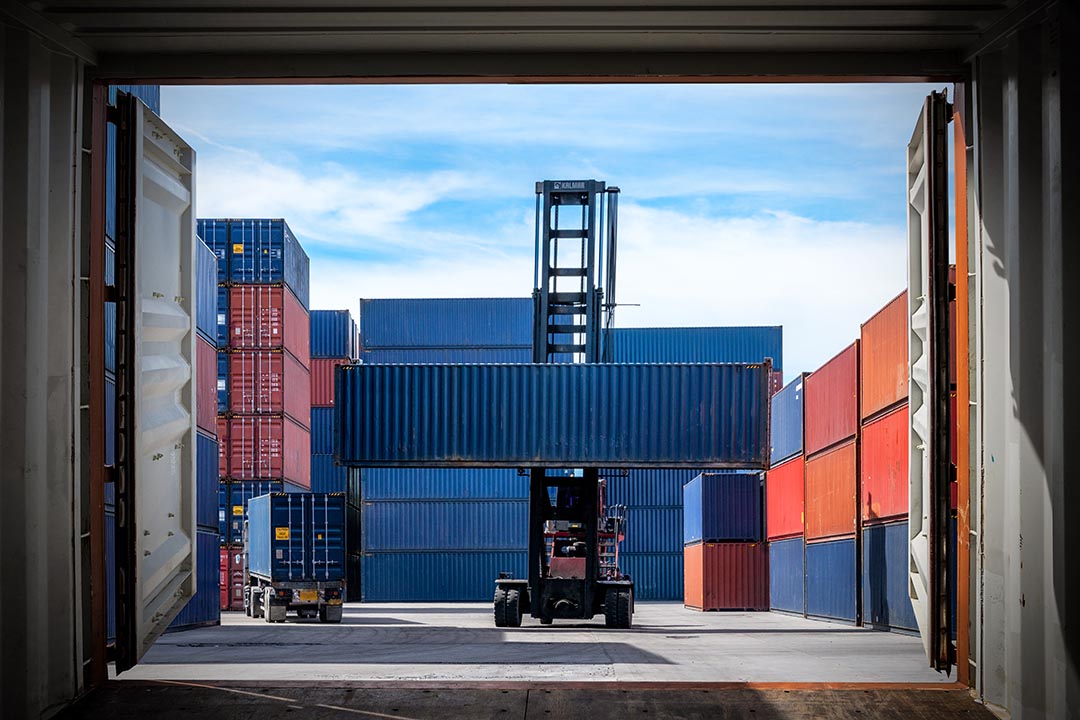
The Chinese government provides an option for pre-shipment inspections, and California lawmakers may add language about National Sword into state law. These are among the recent developments as China continues to revise its import regulations and the U.S. recycling industry reacts.

Additionally, multiple Vietnamese shipping terminals have been overwhelmed with incoming containers as a result of the market shift. As a result, they have announced new restrictions on scrap paper and plastic imports. Among the new actions is a four-month-long ban on recovered plastic imports (see related story).

The following is a summary of recent developments related to National Sword:

Inspection option: The Chinese government has effectively ended its pre-shipment inspection ban on U.S. containers bound for China.

According to the Institute of Scrap Recycling Industries (ISRI), China on Tuesday began allowing the Canadian operations of China Certification and Inspection Group (CCIC) to handle U.S. inspections. The Chinese government had previously suspended CCIC’s U.S. operations for a month beginning May 4, a move that ground recyclables shipments to a halt.

CCIC’s Canadian arm will be allowed to inspect and issue certificates for U.S. shipments through June 4, when the CCIC U.S. suspension ends. ISRI said it’s unclear yet whether the move will allow CCIC Canada to issue certificates for containers that had been inspected but not certified when the May 4 suspension took effect.

Although the move opens the door to pre-shipment inspections, containers will still face delays when they reach China. ISRI and fiber research firm RISI both reported Chinese customs will continue to inspect every U.S. container coming into China. RISI noted that has caused “attendant bottlenecks.”

Recyclables landfilled: Nearly two dozen operators handling recyclables in Oregon have requested permission to dispose of those materials since the fall. The Oregon Department of Environmental Quality (DEQ) began allowing disposal last fall as a short-term measure.

Since then, DEQ has kept a running list of what has been sent to landfill. From Oct. 1 through March 31, 10,088 tons of recyclable materials across Oregon went to landfills. That equals 5 to 6 percent of the material collected through single-stream programs. Twenty-three disposal concurrences have been issued, although some have not yet been exercised.

Contamination fine: Also in Oregon, one county will issue fines to residents who place prohibited items in their recycling carts. Marion County’s recycling program has substantially altered its list of accepted items since China’s import restrictions began to impact the market. The Statesman Journal newspaper reports the fines will first target materials that have never been accepted, such as plastic bags and diapers, and will eventually move to enforcing the revised list. The fines vary by city, according to the paper, and run as high as $15.45 per pickup in one area. Drivers can determine which carts are contaminated by using cameras mounted in the truck’s hopper.

Ban referenced in state law: California’s recycling industry has felt a particularly painful sting from China’s import ban. The state’s recycling department recently assured local governments the market disruption will be taken into account when considering whether they’ve met diversion requirements.

Now, state legislators are backing up that assurance in law. Assembly Bill 3178 adds language specifically referencing China’s new policies and noting that recyclables have been landfilled as a result.

The bill adds the impact of National Sword, as well as efforts by local programs to reduce contamination and improve material quality, as criteria for state government to consider when evaluating municipalities’ efforts.

Paper permits fall: China’s import permits for plastic have remained extremely low throughout 2018, but paper permit tonnages have ranged from several hundred thousand metric tons up to more than 2 million metric tons. However, the most recent permit list approved the lowest tonnages of recovered paper so far this year. On May 15, Chinese officials approved 63,755 metric tons of paper imports, bringing the year-to-date total to nearly 11.1 million tons so far. They approved imports of 3,066 metric tons of plastic, for a year-to-date total of nearly 55,500.

The drop in permit tonnage doesn’t necessarily have an immediate impact on import volumes: RISI recently reported actual imports of recovered fiber totaled less than half the amount approved for import so far, meaning there is a lot of unused import permits. RISI attributed the discrepancy to more stringent inspections at ports.

Plastic development: Clean PET flake will be allowed into China, instead of being considered a waste prohibited from import, according to several sources with knowledge of the situation. As is, flake is generally understood to be included in a customs commodity classification that is banned. But that will change, according to ISRI, which published official notice from the Chinese government.

According to the English translation of the notice, imported PET flake that can meet certain specifications “can replace original raw material for direct processing and utilization after import and shall not be regulated as solid waste.”

The Bureau of International Recycling (BIR) and Steve Wong, executive president of the China Scrap Plastics Association, also noted the change would be taking place.

Impact of tariffs: The Trump Administration has threatened to levy tariffs on a long list of Chinese-made goods, including equipment components the recycling industry relies on. ISRI submitted testimony to the U.S. Trade Representative this month, asking that the administration consider modifying its proposal to remove specific categories of goods.

ISRI’s letter described the large role machinery plays in recycling companies’ operating costs and noted that up to 85 percent of crushing and grinding parts come from China. Additionally, magnets for removing metals rely on rare earth elements, the vast majority of which are supplied by China.

As of Monday, the future of the proposed tariffs was unclear. Officials from the U.S. and China released a joint statement May 19 expressing consensus on making changes to the trade relationship between the two countries. Treasury Secretary Steven Mnuchin told Fox News on Sunday that the tariffs were on hold. Still, Trump advisor Larry Kudlow told CNBC on Monday said tariffs were still on the table as a tool for negotiating or enforcing agreements between the two countries.

Photo credit: iBrave/Shutterstock

 

Tags: AsiaMarketsTrade & Tariffs

TweetShare
Colin Staub

Colin Staub

Colin Staub was a reporter and associate editor at Resource Recycling until August 2025.

Related Posts

NERC: Blended average prices fell 40% in third quarter

HDPE, PP bales rise as paper fiber and cans stabilize

byRecyclingMarkets.net Staff
February 12, 2026

National average prices of post-consumer material bales were flat to higher on the month.

Alpek talks PET overcapacity, soft demand

byAntoinette Smith
February 11, 2026

Executives from the Mexico-headquartered polyester giant said the Chinese government has acknowledged issues and convened PET producers, but Alpek is...

Terex beats ESG integration targets as REV group merger closes

byStefanie Valentic
February 11, 2026

Terex exceeded $25 million in ESG integration synergy targets and completed its REV Group merger, expanding its specialty equipment platform...

Member states select new chair for global plastics treaty

Member states select new chair for global plastics treaty

byAntoinette Smith
February 10, 2026

During a short session, the Intergovernmental Negotiating Committee elected Chilean diplomat Julio Cordano to continue efforts toward an internationally binding...

Packaging Corp. to buy Greif containerboard segment

Export trends offset containerboard production decline

byStefanie Valentic
February 6, 2026

AF&PA reported a 4% decline in containerboard production for 2025, while packaging paper shipments rose 2% in December and boxboard...

Malaysia clamps down on illegal e-waste imports amid probes

Malaysia clamps down on illegal e-waste imports amid probes

byDavid Daoud
February 6, 2026

Malaysia’s growing role as a hub for global e‑scrap is colliding with corruption probes, large container seizures and regional backlash. ...

Load More
Next Post

Vietnamese terminals will suspend scrap plastic imports

More Posts

Oregon’s Recycling Modernization Act faces injunction

Court partially blocks Oregon EPR law, dismisses bulk of lawsuit

February 10, 2026
Chinese processing group details goals for US visit

AMP lays out vision of next-generation, AI-driven MRFs

July 24, 2024
Malaysia clamps down on illegal e-waste imports amid probes

Malaysia clamps down on illegal e-waste imports amid probes

February 6, 2026

REUSE Act heads to US House for consideration

February 9, 2026
Meta-Corning deal signals IT hardware retirement wave

Meta-Corning deal signals IT hardware retirement wave

February 9, 2026

ecoATM recycled 7.5M phones in 2025 as payouts hit $1.5B

February 10, 2026
Texas sues over dumped wind turbine blades

Texas sues over dumped wind turbine blades

February 10, 2026

APR, industry create proactive guidance for PET caps

February 12, 2026

Alpek talks PET overcapacity, soft demand

February 11, 2026
The electronics recycling industry is undergoing a transformation from labor-intensive manual operations to highly automated, AI-driven facilities that use advanced robotics, cleaner chemistry and digital tracking systems to extract critical materials.

The cyber-physical MRF: AI and robotics reshape e-waste recovery

February 12, 2026
Load More

About & Publications

About Us

Staff

Archive

Magazine

Work With Us

Advertise
Jobs
Contact
Terms and Privacy

Newsletter

Get the latest recycling news and analysis delivered to your inbox every week. Stay ahead on industry trends, policy updates, and insights from programs, processors, and innovators.

Subscribe

Welcome Back!

Login to your account below

Forgotten Password?

Retrieve your password

Please enter your username or email address to reset your password.

Log In

Add New Playlist

No Result
View All Result
  • The Latest
  • Analysis
  • Recycling
  • E-Scrap
  • Plastics
  • Policy Now
  • Conferences
    • E-Scrap Conference
    • Plastics Recycling Conference
    • Resource Recycling Conference
    • Textiles Recovery Summit
  • Magazine
  • About Us
  • Advertise
  • Archive
  • Jobs
  • Staff
Subscribe
This website uses cookies. By continuing to use this website you are giving consent to cookies being used. Visit our Privacy and Cookie Policy.