




The aluminum can industry is proud of its market leading beverage container recycling rate – in the United States and around the world.
In 2018, for instance, the U.S. consumer recycling rate for aluminum cans was 49.8 percent, significantly higher than the rates for other container formats. What’s more, the high value of can scrap means that aluminum plays an indispensable role in the financial viability of modern recycling programs.
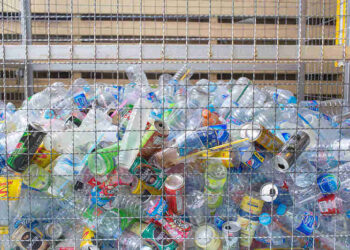
And yet, each year, Americans throw away around 45 billion aluminum cans. That’s the equivalent of every man, woman and child in the U.S. annually sending nearly a dozen 12-packs to a landfill rather than a recycling center. The $800 million in annual economic loss associated with these landfilled cans is particularly egregious because aluminum cans can be recycled infinitely – easily and economically.
Working in partnership with consumers, brand owners, policymakers and other key stakeholders, we know the aluminum can recycling rate can reach new heights. Our industry is doing its part by exploring new ways to bring even more aluminum back into the recycling stream.
This includes a fresh look at container deposit programs.
Calls for solutions in a system under stress
Container deposit programs charge a refund value (usually 5 or 10 cents) to the consumer at point of purchase, incentivizing the container’s return so the consumer can get this refund back. These systems currently exist in 10 U.S. states and Guam.
As the overall U.S. recycling system remains under stress, we fully expect calls for deposit legislation to grow. Already this year, 12 states have proposed bills to either start or reform container deposit programs. In Congress, meanwhile, the recently introduced Break Free From Plastic Pollution Act and Original Recycling Bottle Act both propose a national container deposit program.
We get a lot of aluminum cans back from the deposit states. A recent analysis by environmental research firm Circular Matters showed that while the deposit states consume about a quarter of all beverage cans, they generate more than a third of all cans recycled. Further, while recycling rates for aluminum cans are about 40 percent in non-deposit states, they average more than 80 percent in states with such programs. What’s more, the cans we receive from deposit states tend to be far cleaner and of higher quality, making recycling easier and more economical.
Capturing more aluminum cans means we are able to make more new cans from the aluminum in old cans. This has an enormous environmental impact, saving more than 90 percent of the energy needed to make a can from raw materials. It also has an economic impact that helps the entire recycling system. The inherent value of aluminum cans, with a robust market for the material already in place, effectively subsidizes the recycling of less valuable materials.
According to The Recycling Partnership’s 2020 State of Curbside report, aluminum packaging represents only 3 percent of the weight but nearly half of the economic value of recyclable material generated by a typical single-family home. When cans go to the landfill, that is a lost opportunity to generate revenue for recyclers. The economic logic is simple – the more aluminum we can return to the recycling stream, the healthier the system is overall.
What makes a strong deposit system?
While it’s clear from the data that deposit programs lead to higher recycling rates, it’s also clear that not all such programs operate at the same level of efficiency or effectiveness.
Our two organizations (the Can Manufacturers Institute and the Aluminum Association), with the help of our partner Circular Matters, recently conducted an extensive analysis of deposit container laws globally to better understand the key attributes of the most successful deposit programs.
That work, along with our experience working in recycling for decades, helped us to develop a shared set of “best practice” principles for effective deposit programs.
Differential pricing: Not every recyclable material is created equal. Deposit programs should provide a price signal to both consumers and beverage companies as to which materials are the most valuable and which are best aligned with sorting and processing capabilities in the recyclingn system. In addition, deposits should vary so as not to create market-distorting incentives based on packaging size. In all cases, the system should encourage the use of packaging types that recyclers can process at scale and provide value back into the overall system. In this way, the deposit framework will reflect the reality of the cost (or benefit) of recycling, which differs by packaging type.
One nonprofit entity to manage the system: A brand-supported beverage container recycling organization would reduce net system costs and create efficiencies. The nonprofit group would ensure that the program recognizes the economic value and/or cost of processing each material to the recycling system.
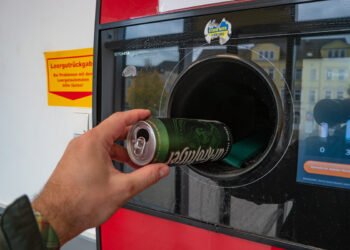
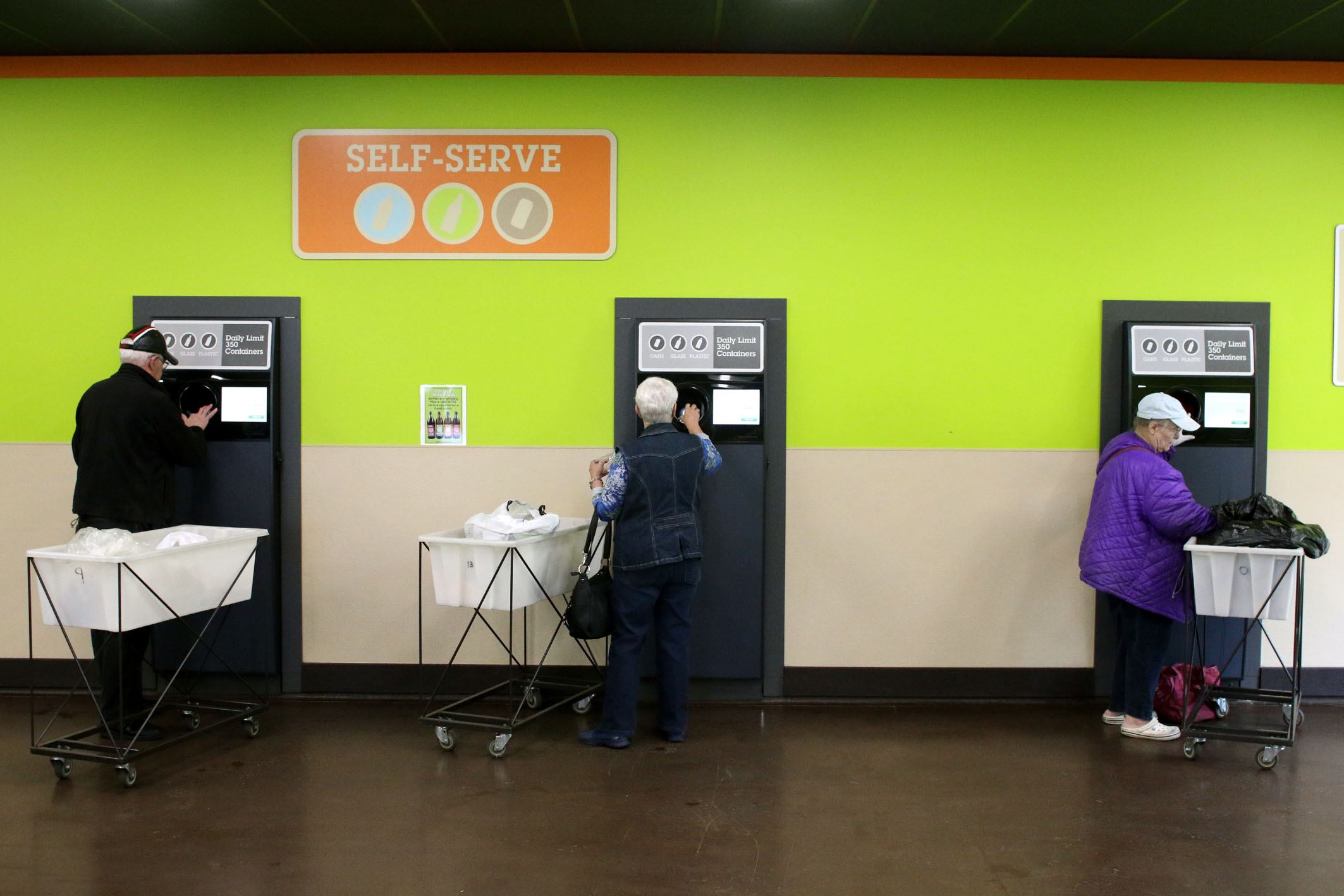
Easy and convenient redemption: Several states have embraced a hybrid approach to collection, including the use of redemption centers, retail collection and reverse vending options. Redemption options should be tailored to local needs to maximize convenience.
Include all beverage containers: As a matter of general fairness, all beverage container types should be included in a deposit program. This ensures that the expected increase in recycling rates from a deposit system would occur for all containers. Further, it avoids the potential of a perverse incentive for consumers to opt for a lower-priced beverage container not included in the deposit system that has a relatively low recycling rate.
Unredeemed deposits used to boost the recycling system: Revenues generated by deposits that are not redeemed should be used directly to support initiatives that help ensure a functioning and efficient recycling system within and outside of the deposit system. Examples of logical uses of unredeemed deposits include funding recycling infrastructure, expanded access or education campaigns. This money should not go back to a government general fund.
Meeting the expectations of Americans
The vast majority of Americans embrace recycling as a simple way to help the environment and live more sustainably. Most would be appalled at the high number of aluminum cans going to landfill each year.
Policymakers can take steps – including considering smartly designed deposit-style programs – to ensure that we have a recycling system that works for consumers, local governments and manufacturers.
Then we can talk more about the additional billions of aluminum cans saved rather than lamenting their needless waste in landfills.
Robert Budway is president of the Can Manufacturers Institute, and Lauren Wilk is vice president of policy and international trade at the Aluminum Association. For more information, go to aluminum.org or cancentral.com.
This article appeared in the March 2020 issue of Resource Recycling. Subscribe today for access to all print content.