





Resource Recycling
  • The Latest
  • Analysis
    • All
    • Certification Scorecard
    • Industry Announcements
    • Opinion
    What the NAND flash crunch means for remarketing, refurbishment and residual values

    Telamon acquires ITAD consultancy Retire-IT

    Certification Scorecard — Week of July 6, 2026

    Tech giant pens detailed ‘plastic-free packaging’ guide

    What Google’s latest report means for ITAD

    Unpacking the Starbucks cup data

    Unpacking the Starbucks cup data

    Amazon cutting out more flexible packaging

    Amazon’s AWS hardware reuse is measured

    MP Materials breaks ground on rare earth magnet campus in North Texas

    ERI confirms ITAD shift toward minerals

  • Conferences
    • Resource Recycling Conference
    • Plastics Recycling Conference
    • E-Scrap: The Longevity Conference
    • Textiles Recovery Summit
  • Publications
    • E-Scrap News
    • Plastics Recycling Update
    • Policy Now
    • Resource Recycling
    • Other Topics
      • All Topics
      • Brand Owners
      • Critical Minerals
      • Glass
      • Grant Watch / RFPs
      • Markets
      • Organics
      • Packaging
      • Research
      • Technology
      • Textiles
Subscribe
No Result
View All Result
Resource Recycling
  • The Latest
  • Analysis
    • All
    • Certification Scorecard
    • Industry Announcements
    • Opinion
    What the NAND flash crunch means for remarketing, refurbishment and residual values

    Telamon acquires ITAD consultancy Retire-IT

    Certification Scorecard — Week of July 6, 2026

    Tech giant pens detailed ‘plastic-free packaging’ guide

    What Google’s latest report means for ITAD

    Unpacking the Starbucks cup data

    Unpacking the Starbucks cup data

    Amazon cutting out more flexible packaging

    Amazon’s AWS hardware reuse is measured

    MP Materials breaks ground on rare earth magnet campus in North Texas

    ERI confirms ITAD shift toward minerals

  • Conferences
    • Resource Recycling Conference
    • Plastics Recycling Conference
    • E-Scrap: The Longevity Conference
    • Textiles Recovery Summit
  • Publications
    • E-Scrap News
    • Plastics Recycling Update
    • Policy Now
    • Resource Recycling
    • Other Topics
      • All Topics
      • Brand Owners
      • Critical Minerals
      • Glass
      • Grant Watch / RFPs
      • Markets
      • Organics
      • Packaging
      • Research
      • Technology
      • Textiles
Subscribe
No Result
View All Result
Resource Recycling
No Result
View All Result
Home Recycling

Unilever misses recyclability goals, calls for policy action

Colin StaubbyColin Staub
May 7, 2024
in Recycling
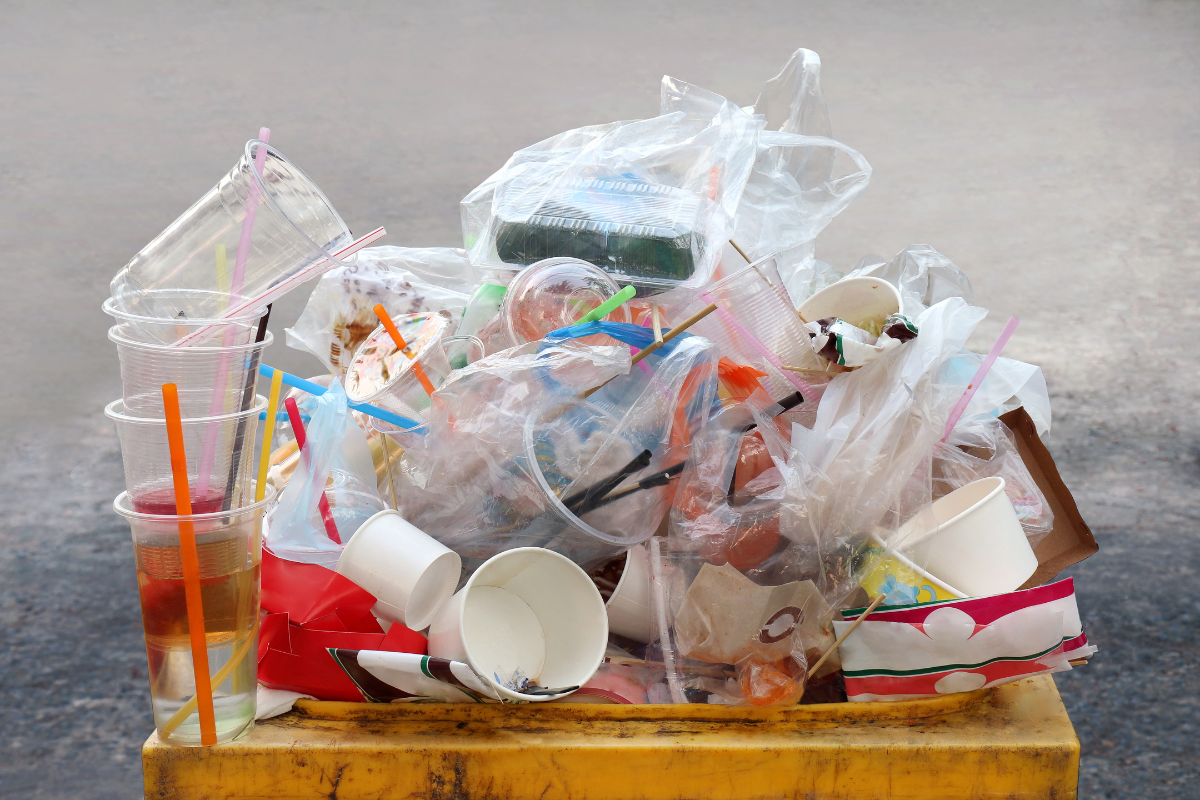
Global consumer products company Unilever announced it will revise its sustainability goals, but also said the experience had shown that policy is needed to make real change. | DeawSS/Shutterstock

Unilever recently acknowledged it will miss its 2025 target date for key plastics recycling goals and revised its pledge to reflect that reality – but the company’s head of packaging also said the failure contributed to its support for stronger regulations like extended producer responsibility.

The Europe-headquartered consumer products giant first announced a series of ambitious plastics recycling and material reduction goals in 2017. Those targets included a pledge that 100% of the company’s plastic packaging would be reusable, recyclable or compostable by 2025; a pledge to cut virgin plastic use by 50% by 2025; and a pledge to use 25% recycled plastic by 2025.

According to its latest annual report covering 2023, the company is on track to meet the latter goal. It used 22% recycled plastic in 2023, up from 21% in 2022 and 18% in 2021.

But it fell significantly short of the other targets: Unilever reported 53% of its packaging was reusable, recyclable or compostable in 2023, far from the 100% goal, and that virgin plastic use had been cut by 18%, short of the 50% goal. 

In an April 30 statement outlining the company’s progress toward its targets, Pablo Costa, Unilever’s global head of packaging, said the company recognizes it has “fallen short against some of our most ambitious goals.” Beyond obvious challenges like the pandemic, Costa described the goals being challenged by inadequate recycling infrastructure that has not developed as fast as anticipated.

“When we first set our goals, we used the best information available at the time to develop a credible but stretching plan,” Costa wrote. He noted it was intentionally ambitious, especially in its aim to reduce virgin plastic use by half.

“This has proved more challenging than any of us anticipated at the time,” Costa continued. “Assumptions made on the development of new technologies and infrastructure have simply not materialized as they are not fully in our control.”

As an example, he reported that 72% of the company’s plastic packaging is “technically” recyclable, but only 53% is “actually” recyclable.

“Designing our packaging for recycling is only the first step,” Costa wrote. “There also need to be systems in place to recycle it, in practice and at scale.”

Goal revisions

Unilever has revised the goals to have lower target figures and later deadlines, which Costa described as “stretching but more realistic.”

Rather than hitting 50% virgin plastic reduction by 2025, the company has pledged to reduce virgin plastic use by 30% by 2026 and by 40% by 2028, with the same 2019 base year. To meet this target, the company will “focus on increasing our use of recycled plastic, making our packaging lighter and scaling alternative formats, materials and business models,” Costa wrote.

On the recyclability front, the company has split its goal into two groups with different deadlines, both significantly extended from the initial 2025 target. Rigid plastic packaging will be 100% recyclable, reusable or compostable by 2030, and flexibles will meet that criteria by 2035, the company pledged.

The split reflects that Unilever is far closer to its goal in rigid materials. Costa noted rigid plastics represent about 70% of the company’s total packaging, and that 87% of its rigid materials are currently designed for recyclability. The company will tackle “challenging non-recyclable components such as caps, aerosol actuators and bottle pumps,” he said.

On the flexibles side, Costa said the company will need to replace items like plastic sachets with alternative materials. “Compared to rigids, this will require more time, as we develop and scale new technologies,” he wrote. “For instance, our world-class team of packaging experts, material scientists and digital modellers are developing next-generation flexible packaging materials.”

Challenges drive support for government regulation

Unilever’s experience has led the company to conclude that “voluntary goals and industry initiatives can only go so far, and too often they reduce the competitiveness of those taking action,” Costa explained in the statement.

The company is therefore expressing support for government intervention, both in the global plastics treaty that’s in development, and in country-specific policies to boost recycling and reuse systems. Among those policies, Unilever is supporting EPR.

“We’re calling on governments to accelerate the implementation of mandatory and well-designed extended producer responsibility schemes, which hold businesses to account for the packaging choices they make,” Costa wrote. “They can help improve recycling systems – closing the gap between packaging that’s technically recyclable and is actually recycled – by ensuring money is invested back into waste management and packaging innovation. This in turn drives up recycling rates and the supply of recycled plastic.”

Unilever’s move to change its goal timeline was first reported by Packaging Dive, which noted experts anticipate other brands will make similar changes as 2025 approaches.

A version of this story appeared in Plastics Recycling Update on May 1.
Tags: Brand Owners
TweetShare
Colin Staub

Colin Staub

Colin Staub was a reporter and associate editor at Resource Recycling until August 2025.

Related Posts

Unpacking the Starbucks cup data

Unpacking the Starbucks cup data

byAntoinette Smith
July 8, 2026

Upon close examination, data casting doubt on the coffee giant's recycling claims raises more questions than it answers.

What a report on Starbucks cups reveals about recycling

What a report on Starbucks cups reveals about recycling

byAntoinette Smith
May 26, 2026

While anti-plastics group Beyond Plastics cast doubt on Starbucks' recyclability claims and left many questions unanswered, its report also provides...

Recycling industry addresses Beyond Plastics report

Recycling industry addresses Beyond Plastics report

byAntoinette Smith
May 26, 2026

Stakeholders are accustomed to questions and concerns about whether "recycling is real," but they took particular issue with several aspects...

Apple store

Apple leads on inputs, faces questions on ITAD

byDavid Daoud
May 1, 2026

The tech giant is being lauded for environmental performance, but some ITAD operators have questions about the end of life...

Plastic Ingenuity to use PureCycle PP for coffee lids

Plastic Ingenuity to use PureCycle PP for coffee lids

byAntoinette Smith
April 30, 2026

The Wisconsin thermoformer, whose customers include Starbucks, will incorporate PureFive resin in 25% to 100% PCR products.

Disney princesses Anna and Elsa

Disney, toy manufacturers look to reduce plastic packaging

byKeith Loria
April 29, 2026

Many consumers say they are on board with a push to use less plastic in packaging.

Load More
Next Post

Top stories from April 2024

More Posts

Oregon’s Recycling Modernization Act faces injunction

Oregon’s EPR program posts first-year results

July 6, 2026
Two recycled-content bills gain approval in California

California agriculture seeks SB 54 repeal

July 7, 2026
Unpacking the Starbucks cup data

Unpacking the Starbucks cup data

July 8, 2026
In Our Opinion: Coalitions: The EPR Differentiator

Inside NAW’s constitutional case against packaging EPR

July 6, 2026
EPR fees are a market signal. Here’s what they’re telling you.

Building the infrastructure behind EPR

July 6, 2026
Tech giant pens detailed ‘plastic-free packaging’ guide

What Google’s latest report means for ITAD

July 8, 2026
MP Materials breaks ground on rare earth magnet campus in North Texas

ERI confirms ITAD shift toward minerals

July 3, 2026
SB 54 draft rules generate debate on rates, review

California increases PET market payments

July 7, 2026
ITAD firm wins spot for NASA purchasing

ITAD firm wins spot for NASA purchasing

July 6, 2026
SCS launches chem recycling standard

SCS launches chem recycling standard

July 1, 2026
Load More

About & Publications

About Us

Staff

Archive

Magazine

Work With Us

Advertise
Jobs
Contact
Terms and Privacy

Newsletter

Get the latest recycling news and analysis delivered to your inbox every week. Stay ahead on industry trends, policy updates, and insights from programs, processors, and innovators.

Subscribe

Welcome Back!

Login to your account below

Forgotten Password?

Retrieve your password

Please enter your username or email address to reset your password.

Log In

Add New Playlist

No Result
View All Result
  • The Latest
  • Analysis
  • Recycling
  • E-Scrap
  • Plastics
  • Policy Now
  • Conferences
    • E-Scrap Conference
    • Plastics Recycling Conference
    • Resource Recycling Conference
    • Textiles Recovery Summit
  • Magazine
  • About Us
  • Advertise
  • Archive
  • Jobs
  • Staff
Subscribe
This website uses cookies. By continuing to use this website you are giving consent to cookies being used. Visit our Privacy and Cookie Policy.