



Resource Recycling
  • The Latest
  • Analysis
    • All
    • Certification Scorecard
    • Industry Announcements
    • Opinion
    The electronics recycling industry is undergoing a transformation from labor-intensive manual operations to highly automated, AI-driven facilities that use advanced robotics, cleaner chemistry and digital tracking systems to extract critical materials.

    The cyber-physical MRF: AI and robotics reshape e-waste recovery

    Certification scorecard for the week of Feb. 9, 2026

    Meta-Corning deal signals IT hardware retirement wave

    Meta-Corning deal signals IT hardware retirement wave

    Malaysia clamps down on illegal e-waste imports amid probes

    Malaysia clamps down on illegal e-waste imports amid probes

    URT builds alliance to remake electronics plastics at scale

    ICYMI: Top 5 e-scrap stories from January 2026

    The electronics recycling industry is undergoing a transformation from labor-intensive manual operations to highly automated, AI-driven facilities that use advanced robotics, cleaner chemistry and digital tracking systems to extract critical materials.

    Certification scorecard for the week of Feb. 2, 2026

    Auditors warn EU may fall short on critical metals

    Auditors warn EU may fall short on critical metals

    Industry announcements for January 2026

    Industry announcements for February 2026

    ICYMI: Top 5 recycling stories from January 2026

  • Conferences
  • Publications

    Other Topics

    Textiles
    Organics
    Packaging
    Glass
    Brand Owners

    Metals
    Technology
    Research
    Markets
    Grant Watch

    All Topics

Subscribe
No Result
View All Result
Resource Recycling
  • The Latest
  • Analysis
    • All
    • Certification Scorecard
    • Industry Announcements
    • Opinion
    The electronics recycling industry is undergoing a transformation from labor-intensive manual operations to highly automated, AI-driven facilities that use advanced robotics, cleaner chemistry and digital tracking systems to extract critical materials.

    The cyber-physical MRF: AI and robotics reshape e-waste recovery

    Certification scorecard for the week of Feb. 9, 2026

    Meta-Corning deal signals IT hardware retirement wave

    Meta-Corning deal signals IT hardware retirement wave

    Malaysia clamps down on illegal e-waste imports amid probes

    Malaysia clamps down on illegal e-waste imports amid probes

    URT builds alliance to remake electronics plastics at scale

    ICYMI: Top 5 e-scrap stories from January 2026

    The electronics recycling industry is undergoing a transformation from labor-intensive manual operations to highly automated, AI-driven facilities that use advanced robotics, cleaner chemistry and digital tracking systems to extract critical materials.

    Certification scorecard for the week of Feb. 2, 2026

    Auditors warn EU may fall short on critical metals

    Auditors warn EU may fall short on critical metals

    Industry announcements for January 2026

    Industry announcements for February 2026

    ICYMI: Top 5 recycling stories from January 2026

  • Conferences
  • Publications

    Other Topics

    Textiles
    Organics
    Packaging
    Glass
    Brand Owners

    Metals
    Technology
    Research
    Markets
    Grant Watch

    All Topics

Subscribe
No Result
View All Result
Resource Recycling
No Result
View All Result
Home Recycling

MRFs face ‘brunt of the negative impact’ from battery fires

Colin StaubbyColin Staub
August 31, 2021
in Recycling
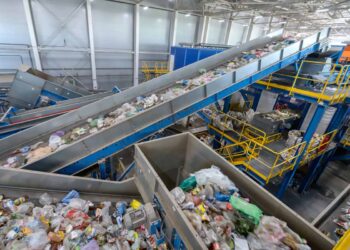
A new EPA research report runs through how a typical MRF might encounter and handle lithium-ion batteries, and how fires can be sparked. | silabob / Shutterstock

Lithium-ion battery fires are affecting all types of waste management and recycling facilities. But the U.S. EPA recently concluded that the municipal recycling sector has it worse than others.

An EPA report, published last month, comes as there is heightened attention on lithium-ion battery fires across many sectors of the waste management industry. For the report, EPA researchers examined MRFs, landfills, transfer stations, trucks, electronics recycling facilities, and other locations.

The report looked at the details of fires involving or suspected to involve lithium-ion batteries (LIBs) at 64 waste management facilities between 2013 and 2020. Details were gathered from news reports, expert interviews and other sources. Of the 64, researchers found 23 were MRFs, 13 were transport facilities, 10 were landfills and the remaining 18 were a variety of other facility types, including e-scrap processors, scrap metal yards, waste-to-energy plants and more.

“Our findings indicate that LIB fires are happening across the full spectrum of the waste management process, but MRFs appear to have faced the brunt of the negative impact,” the report states.

Of the MRFs that experienced battery fires in recent years, 78% had to call emergency responders at least once (compared with 40% of landfills), five of them had worker injuries (compared with just two other facilities across all other categories), and half of them experienced monetary loss.

MRFs also had the most instances of service disruption after a fire, the report added. As one example, the report pointed to a fire at a Republic Services facility in Scottsdale, Ariz.

“The fire burned for over a day and destroyed the facility, which caused the town of Fountain Hills, Ariz., to suspend its recycling program,” the report stated. “Recyclable material was taken to a landfill temporarily until the town found another MRF.”

How fires begin

The report ran through how a typical MRF might encounter and handle lithium-ion batteries, and how fires can be sparked.

“If spotted in the separation process, LIBs will be taken out of the MRF and sent to a specialty recycler or landfill,” researchers wrote. “If LIBs go unnoticed, they may become damaged by the sorting process.”

The increase in batteries entering MRFs is “forcing workers in these facilities to become de facto experts at spotting the batteries and extinguishing the fires that they inevitably ignite,” the report found.

If they make it to the sorting line, the batteries are typically jostled against other materials, leading to potential battery damage and fires.

“Conveyor belts may then send smoldering batteries throughout the facility unless the belts are stopped,” the report stated. “Furthermore, MRFs are full of flammable material. When fires do start, they may spread quickly due to the large amounts of paper and cardboard present.”

Batteries are also entering the waste stream in a growing number of products, the report found. Consumers might not consider the fire danger posed by the products, it added, giving the example of rechargeable plastic earbuds with a small embedded battery inside. There are no standardized labels for batteries in the U.S., and the caution language on batteries is sometimes misread by consumers to mean the battery is recyclable, the report stated.

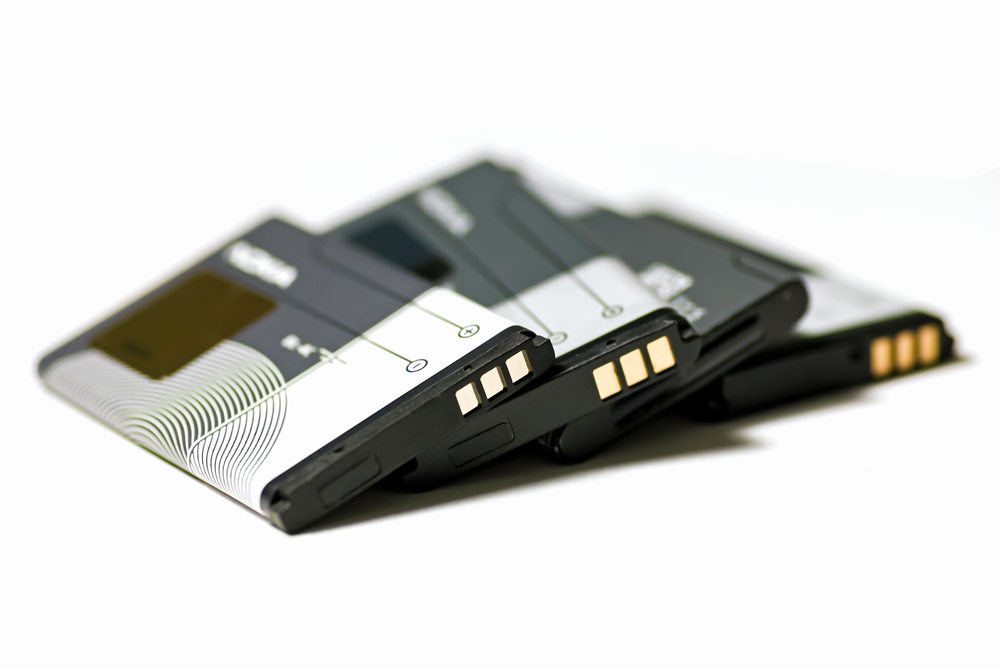
The most common devices that led to fires were batteries from cell phones, tablets and laptops.

The findings were based on battery fires at the following facilities:

  • Waste Management Little Rock Recovery Facility in Little Rock, Ark.
  • Friedman Recycling in Tucson, Ariz.
  • Republic Services in Scottsdale, Ariz.
  • Marin Recycling Center in San Rafael, Calif.
  • Shoreway Environmental Center in San Carlos, Calif.
  • Larimer County Landfill’s Recycling Center in Fort Collins, Colo.
  • Scott Area Recycling Facility in Davenport, Iowa.
  • Mack’s Twin City Recycling in Urbana, Ill.
  • Republic Services in Indianapolis.
  • Ecomaine in Portland, Maine.
  • Resource Recovery and Recycling Authority of Southwest Oakland County in Southfield, Mich.
  • Southeastern Oakland County Resource Recovery Authority in Troy, Mich.
  • Dem-Con Recycling in Blaine, Minn.
  • Friedman Recycling in Albuquerque.
  • Royal Waste Services in New York City.
  • Taylor Garbage in Apalachin, N.Y.
  • Rumpke Waste & Recycling in Cincinnati.
  • North Lincoln Sanitary Service Recycle Center in Lincoln City, Ore.
  • Fort Hood Recycle in Fort Hood, Texas.
  • Republic Services in Plano, Texas.
  • Chittenden Solid Waste District Recycling Facility in Williston, Vt.
  • John’s Disposal in Norway, Wis.
  • Outagamie County Recycling & Solid Waste in Appleton, Wis.

Impacts extend beyond immediate damage

Besides injuring workers and damaging specific facilities, battery fires are impacting the MRF sector as a whole in a few ways.

For one, the fire potential is creating substantial financial pressure on municipal recycling facilities.

“Multiple MRF operators consulted for this report indicated that their insurance premiums and deductibles have increased in recent years,” researchers wrote. “Not only are prices increasing, but insurers are leaving the market, making it more difficult for MRFs to get insurance.”

For a MRF in the San Francisco Bay Area that experienced a high-profile fire a few years ago, insurance is now divided among seven separate policies “because no single insurer is willing to bear the risk,” the report stated.

Facilities are also investing in suppression systems as a way to reduce their insurance rates, but such investments carry high costs, according to the report. These preventative measures are “shifting where monetary expenditures occur rather than preventing monetary impacts entirely,” researchers found.

Ultimately, the financial strain could make its way back to the ratepayers, if MRFs are forced to raise rates to cover higher insurance and other costs.

“This could leave Americans stuck with the bill for addressing the myriad issues created by LIBs inappropriately entering the municipal waste management process,” the report stated.
Harris Equipment

Tags: MRFsResearch
TweetShare
Colin Staub

Colin Staub

Colin Staub was a reporter and associate editor at Resource Recycling until August 2025.

Related Posts

UT Austin spinout Supra launches to recover rare earths

byScott Snowden
February 3, 2026

Supra Elemental Recovery launched today, aiming to recover gallium and scandium from US waste streams to help reduce import dependence...

Leveraging materials testing for procurement efficiency

byDr. Pradyumna Gupta
January 23, 2026

In real-world application, variations in resin properties translate into budget risk, from increased scrap rates and production downtime to premature...

Greyparrot positions waste intel as key to effective EPR

Greyparrot positions waste intel as key to effective EPR

byAntoinette Smith
January 9, 2026

Company co-founder Rish Mitra says data collected from a growing number of MRFs globally can help fine-tune emerging EPR policy...

Robot pilot targets legacy parts to help supply defense

Robot pilot targets legacy parts to help supply defense

byScott Snowden
December 29, 2025

Although chip availability has improved since the worst shortages earlier in the decade, Tuurny says demand for legacy electronics remains...

Chemical bonds

Alberta catalyst discovery targets hydrogen and plastics

byScott Snowden
December 10, 2025

A chance discovery inside a University of Alberta laboratory has developed into a Canadian cleantech project that aims to reshape...

Global recycling patent trends may reflect legislative push

Global recycling patent trends may reflect legislative push

byAntoinette Smith
November 25, 2025

Patent applications for chemical recycling technologies have reached a record high globally with government initiatives among the factors driving innovation,...

Load More
Next Post

News from Closed Loop Partners, Sealed Air and more

More Posts

Oregon’s Recycling Modernization Act faces injunction

Court partially blocks Oregon EPR law, dismisses bulk of lawsuit

February 10, 2026
Chinese processing group details goals for US visit

AMP lays out vision of next-generation, AI-driven MRFs

July 24, 2024
Malaysia clamps down on illegal e-waste imports amid probes

Malaysia clamps down on illegal e-waste imports amid probes

February 6, 2026

REUSE Act heads to US House for consideration

February 9, 2026
Meta-Corning deal signals IT hardware retirement wave

Meta-Corning deal signals IT hardware retirement wave

February 9, 2026

ecoATM recycled 7.5M phones in 2025 as payouts hit $1.5B

February 10, 2026
Texas sues over dumped wind turbine blades

Texas sues over dumped wind turbine blades

February 10, 2026

APR, industry create proactive guidance for PET caps

February 12, 2026

Alpek talks PET overcapacity, soft demand

February 11, 2026
The electronics recycling industry is undergoing a transformation from labor-intensive manual operations to highly automated, AI-driven facilities that use advanced robotics, cleaner chemistry and digital tracking systems to extract critical materials.

The cyber-physical MRF: AI and robotics reshape e-waste recovery

February 12, 2026
Load More

About & Publications

About Us

Staff

Archive

Magazine

Work With Us

Advertise
Jobs
Contact
Terms and Privacy

Newsletter

Get the latest recycling news and analysis delivered to your inbox every week. Stay ahead on industry trends, policy updates, and insights from programs, processors, and innovators.

Subscribe

Welcome Back!

Login to your account below

Forgotten Password?

Retrieve your password

Please enter your username or email address to reset your password.

Log In

Add New Playlist

No Result
View All Result
  • The Latest
  • Analysis
  • Recycling
  • E-Scrap
  • Plastics
  • Policy Now
  • Conferences
    • E-Scrap Conference
    • Plastics Recycling Conference
    • Resource Recycling Conference
    • Textiles Recovery Summit
  • Magazine
  • About Us
  • Advertise
  • Archive
  • Jobs
  • Staff
Subscribe
This website uses cookies. By continuing to use this website you are giving consent to cookies being used. Visit our Privacy and Cookie Policy.