




Resource Recycling
  • The Latest
  • Analysis
    • All
    • Certification Scorecard
    • Industry Announcements
    • Opinion
    The electronics recycling industry is undergoing a transformation from labor-intensive manual operations to highly automated, AI-driven facilities that use advanced robotics, cleaner chemistry and digital tracking systems to extract critical materials.

    The cyber-physical MRF: AI and robotics reshape e-waste recovery

    Certification scorecard for the week of Feb. 9, 2026

    Meta-Corning deal signals IT hardware retirement wave

    Meta-Corning deal signals IT hardware retirement wave

    Malaysia clamps down on illegal e-waste imports amid probes

    Malaysia clamps down on illegal e-waste imports amid probes

    URT builds alliance to remake electronics plastics at scale

    ICYMI: Top 5 e-scrap stories from January 2026

    The electronics recycling industry is undergoing a transformation from labor-intensive manual operations to highly automated, AI-driven facilities that use advanced robotics, cleaner chemistry and digital tracking systems to extract critical materials.

    Certification scorecard for the week of Feb. 2, 2026

    Auditors warn EU may fall short on critical metals

    Auditors warn EU may fall short on critical metals

    Industry announcements for January 2026

    Industry announcements for February 2026

    ICYMI: Top 5 recycling stories from January 2026

  • Conferences
  • Publications

    Other Topics

    Textiles
    Organics
    Packaging
    Glass
    Brand Owners

    Metals
    Technology
    Research
    Markets
    Grant Watch

    All Topics

Subscribe
No Result
View All Result
Resource Recycling
  • The Latest
  • Analysis
    • All
    • Certification Scorecard
    • Industry Announcements
    • Opinion
    The electronics recycling industry is undergoing a transformation from labor-intensive manual operations to highly automated, AI-driven facilities that use advanced robotics, cleaner chemistry and digital tracking systems to extract critical materials.

    The cyber-physical MRF: AI and robotics reshape e-waste recovery

    Certification scorecard for the week of Feb. 9, 2026

    Meta-Corning deal signals IT hardware retirement wave

    Meta-Corning deal signals IT hardware retirement wave

    Malaysia clamps down on illegal e-waste imports amid probes

    Malaysia clamps down on illegal e-waste imports amid probes

    URT builds alliance to remake electronics plastics at scale

    ICYMI: Top 5 e-scrap stories from January 2026

    The electronics recycling industry is undergoing a transformation from labor-intensive manual operations to highly automated, AI-driven facilities that use advanced robotics, cleaner chemistry and digital tracking systems to extract critical materials.

    Certification scorecard for the week of Feb. 2, 2026

    Auditors warn EU may fall short on critical metals

    Auditors warn EU may fall short on critical metals

    Industry announcements for January 2026

    Industry announcements for February 2026

    ICYMI: Top 5 recycling stories from January 2026

  • Conferences
  • Publications

    Other Topics

    Textiles
    Organics
    Packaging
    Glass
    Brand Owners

    Metals
    Technology
    Research
    Markets
    Grant Watch

    All Topics

Subscribe
No Result
View All Result
Resource Recycling
No Result
View All Result
Home Recycling

China reiterates total ban and tries to define ‘solid waste’

Colin StaubbyColin Staub
April 9, 2019
in Recycling
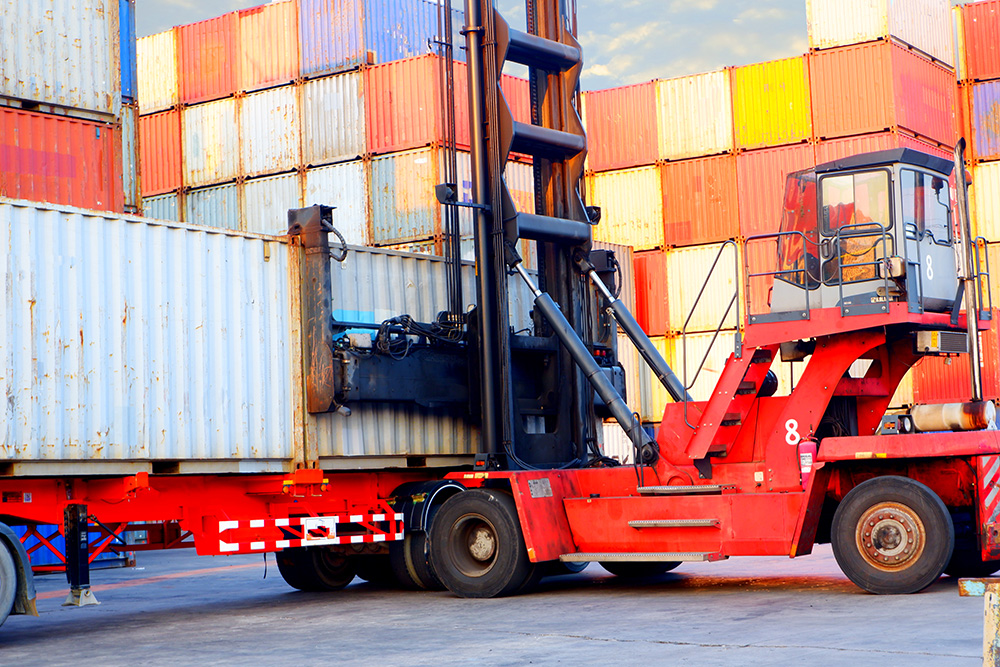
Loading cargo at a logistics hub.

Chinese officials doubled down on plans to ban virtually all recovered material imports by the end of the year, despite opposition from U.S. interests.

Even as the country issued recovered fiber import permits last week, Chinese environment ministry officials made clear the government’s plan to end almost all “solid waste” imports by the end of this year. The plan was first released last summer.

A handful of state media articles quoted a March 28 press conference that featured Qiu Qiwen, the head of the solid waste and chemical management department of the Ministry of Ecology and Environment. Qiu touched on the country’s import policies in response to “some media reports that China may ease up on foreign trash,” according to state media outlet ECNS.

Qiu referred to the recovered material import ban as “a ‘landmark measure’ on the country’s path of ecological progress,” ECNS wrote. The report also quoted Qiu as stating that “China will not relax the ban, but will carry it forward.”

Further, Qiu “rejected the view of some foreign companies and industry associations that China’s ban doesn’t distinguish between resources and waste,” according to ECNS.

The difference between those terms is something that has come up in complaints about the country’s import restrictions. The Institute of Scrap Recycling Industries (ISRI) has highlighted this concern numerous times in press releases about China’s shifting import policies. The U.S. delegation to the World Trade Organization (WTO) voiced similar anxieties in a statement at a WTO committee meeting last month.

According to the WTO statement, the U.S. delegation urges China to “distinguish ‘waste’ from recyclable materials and scrap before finalizing and implementing this draft law.” The statement offered a definition of recyclables as materials that have been “separated from the waste stream for recycling as a raw material” and are “saleable items traded within a distinct global marketplace (i.e., they have an underlying economic value).”

But in the Chinese press conference, Qiu differentiated between what the Chinese government considers waste and recyclables. He pointed to processing as a key factor, although it’s unclear whether he was referencing additional sorting to create a cleaner bale, or processing scrap material into a usable form, such as plastic flake or pulping paper.

“Raw materials generated from harmless processing of solid waste will not be classified as solid waste if they meet China’s national quality standard and don’t pose risks to public health or ecological safety,” he said, adding that such materials can be traded as general goods and their import will not be affected by the ban.

Xinhua also wrote about the press conference, stating that China will “basically realize the target of zero solid waste imports by 2020.”

The total ban has been added to boilerplate language used in Chinese state media articles covering aspects of solid waste management, such as a recent story covering smuggled waste from South Korea.

“Given rising public awareness and a green development drive, the government decided last year to phase out and completely halt such imports by the end of 2019, except for those containing resources that are not substitutable,” Xinhua writes.

ECNS expanded on the “substitutable” caveat, explaining that the import ban language “included an exception for waste containing certain resources if no domestic alternative is available.”

Photo credit: eagnarin wanvong/Shutterstock

 

2019 Resource Recycling Conference

Tags: AsiaTrade & Tariffs
TweetShare
Colin Staub

Colin Staub

Colin Staub was a reporter and associate editor at Resource Recycling until August 2025.

Related Posts

UN trade data, tools aim to shape plastics treaty talks

UN trade data, tools aim to shape plastics treaty talks

byAntoinette Smith
February 17, 2026

UN agencies aim to use the harmonized trade data and a statistical framework to improve outcomes for the global negotiations,...

Alpek talks PET overcapacity, soft demand

byAntoinette Smith
February 11, 2026

Executives from the Mexico-headquartered polyester giant said the Chinese government has acknowledged issues and convened PET producers, but Alpek is...

Member states select new chair for global plastics treaty

Member states select new chair for global plastics treaty

byAntoinette Smith
February 10, 2026

During a short session, the Intergovernmental Negotiating Committee elected Chilean diplomat Julio Cordano to continue efforts toward an internationally binding...

Malaysia clamps down on illegal e-waste imports amid probes

Malaysia clamps down on illegal e-waste imports amid probes

byDavid Daoud
February 6, 2026

Malaysia’s growing role as a hub for global e‑scrap is colliding with corruption probes, large container seizures and regional backlash. ...

Ace Metal and Metro Metals take the most weight in Washington

US-EU trade rift adds risk now for ITAD and e-scrap trade

byDavid Daoud
February 2, 2026

Trade tensions between the US and EU are reshaping ITAD and e-scrap markets, lifting demand for refurbished hardware while increasing...

Equity firm invests in Indian chemical recycling platform

Equity firm invests in Indian chemical recycling platform

byAntoinette Smith
January 21, 2026

Indian recycling technology firm PolyCycl secured Series A investment from Zerodha’s Rainmatter to scale solvent-based polyolefin recycling technology and expand...

Load More
Next Post

In My Opinion: Report on Recycle BC was misleading

More Posts

Chinese processing group details goals for US visit

AMP lays out vision of next-generation, AI-driven MRFs

July 24, 2024
Oregon’s Recycling Modernization Act faces injunction

Court partially blocks Oregon EPR law, dismisses bulk of lawsuit

February 10, 2026
Malaysia clamps down on illegal e-waste imports amid probes

Malaysia clamps down on illegal e-waste imports amid probes

February 6, 2026

APR, industry create proactive guidance for PET caps

February 12, 2026

REUSE Act heads to US House for consideration

February 9, 2026

Alpek talks PET overcapacity, soft demand

February 11, 2026
The electronics recycling industry is undergoing a transformation from labor-intensive manual operations to highly automated, AI-driven facilities that use advanced robotics, cleaner chemistry and digital tracking systems to extract critical materials.

The cyber-physical MRF: AI and robotics reshape e-waste recovery

February 12, 2026
Texas sues over dumped wind turbine blades

Texas sues over dumped wind turbine blades

February 10, 2026
Bipartisan reps introduce bill on recycling claims

Bipartisan reps introduce bill on recycling claims

February 12, 2026

ecoATM recycled 7.5M phones in 2025 as payouts hit $1.5B

February 10, 2026
Load More

About & Publications

About Us

Staff

Archive

Magazine

Work With Us

Advertise
Jobs
Contact
Terms and Privacy

Newsletter

Get the latest recycling news and analysis delivered to your inbox every week. Stay ahead on industry trends, policy updates, and insights from programs, processors, and innovators.

Subscribe

Welcome Back!

Login to your account below

Forgotten Password?

Retrieve your password

Please enter your username or email address to reset your password.

Log In

Add New Playlist

No Result
View All Result
  • The Latest
  • Analysis
  • Recycling
  • E-Scrap
  • Plastics
  • Policy Now
  • Conferences
    • E-Scrap Conference
    • Plastics Recycling Conference
    • Resource Recycling Conference
    • Textiles Recovery Summit
  • Magazine
  • About Us
  • Advertise
  • Archive
  • Jobs
  • Staff
Subscribe
This website uses cookies. By continuing to use this website you are giving consent to cookies being used. Visit our Privacy and Cookie Policy.