










Editor’s Note: Resin markets, end markets and chemical recycling will be featured in sessions at the 2026 Plastics Recycling Conference, Feb. 23-25 in San Diego, California. Register now!
Even as Tennessee-based Eastman awaits the return of consumer demand for recycled PET, it is looking to build sales from its chemical recycling plant to drive growth in 2026 and is working to retool plans for its second facility.
CEO Mark Costa said during a Jan. 30 investor call that the company focuses on volumes as the biggest driver of earnings and performance, rather than the “highly uncertain” macroeconomic landscape. “That’s been true for the last 4 years and it will be true for this year,” he said, adding that Eastman’s planning assumes stable demand from 2025, a sentiment echoing Dow CEO Jim Fitterling in a separate earnings call this week.
“And on the volume front, there are several things that we’re doing that are more in our control than waiting for the macroeconomy to get better,” he said. “First and foremost, there’s always innovation to create growth above your underlying markets.”
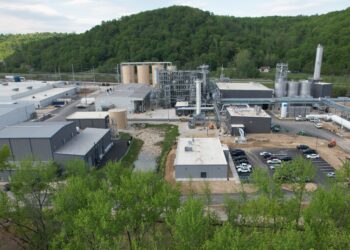
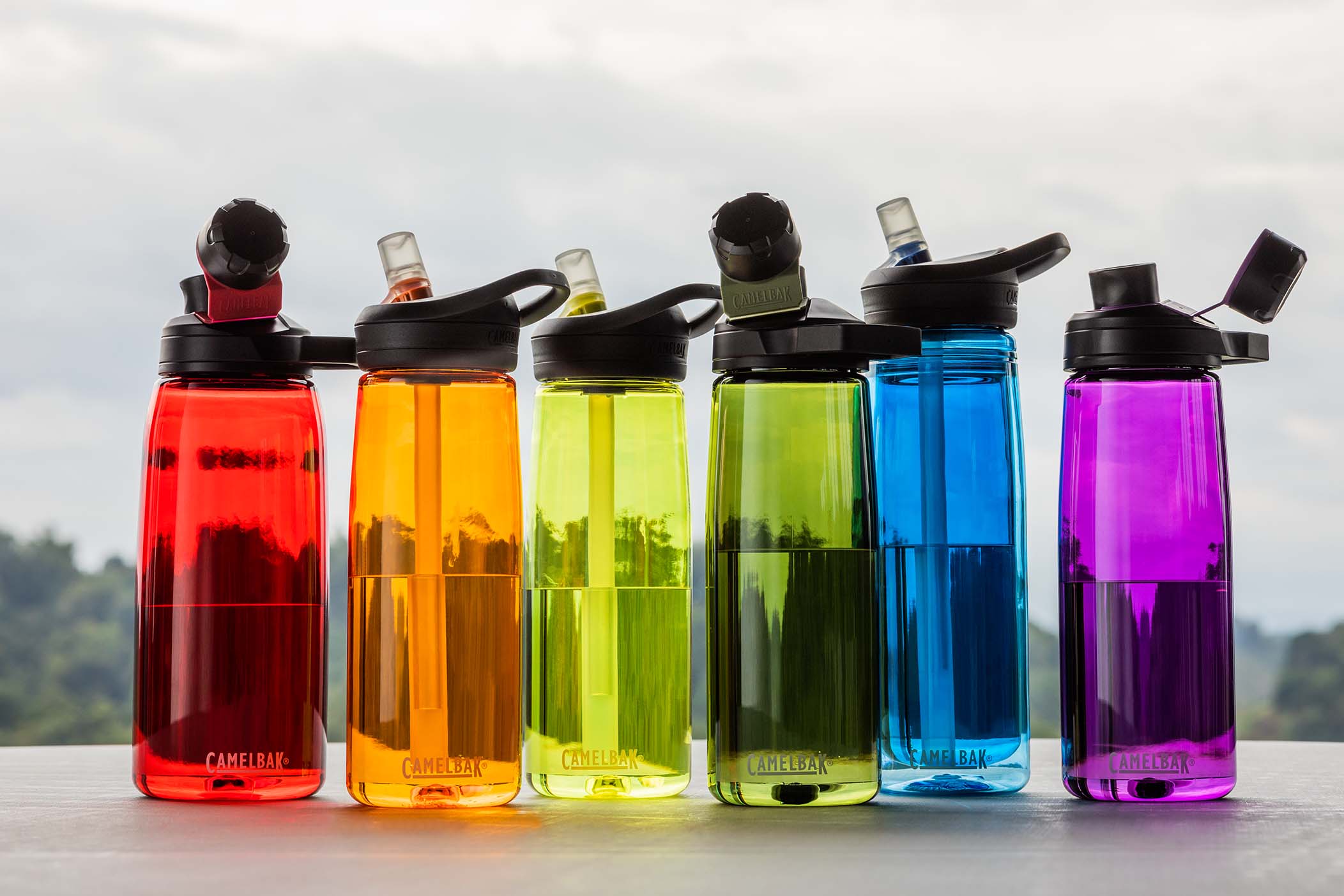
The company’s flagship Kingsport methanolysis plant is positioned as the largest driver of its “innovation-driven growth model” for 2026, with executives expecting accelerated revenue growth from the Renew resin line of copolyesters such as Tritan Renew, which incorporates recycled PET.
The Kingsport plant employs methanolysis, a depolymerization method, to break down discarded PET into its intermediate chemicals, for reuse in virgin-quality resin.
Last year Eastman achieved its goal of production levels 2.5 times 2024 levels, and in Q4 2025 the facility ran at “high demonstrated operational rates.” The process resulted in a 94% yield of dimethyl terephthalate (DMT) from “low-quality waste to high-clarity food-grade polymers,” meaning only 6% of input was not utilized in the process.
Previously the company announced intentions to begin selling RPET into the packaging sector, and in 2026 it expects a “strong ramp-up of packaging revenue for flagship consumer brands.”
During today’s call Costa said PepsiCo along with “several other strategic leading brands ramping up volumes with us on RPET,” contributing to an expected increase in annual revenue of 4% to 5% over 2025 levels. Last November Eastman acknowledged volumes to PepsiCo were being shifted into 2026 rather than 2025.
And although Eastman still has 100 customers for specialty Tritan Renew and cosmetic Renew products, “they’re just not ramping volumes up as much as we’d like, because the economy is so challenged.” However, once the economy stabilizes, he said, these customers likely will launch new products to accelerate their own growth, “and our volumes will grow with them.”
He added, “There’s a lot of pent-up demand since 2019 to now, not to mention normal market growth being missing that can recover at some point when consumers get confident and stable. And especially for the US economy more than China and Europe, I think the current administration is very focused on getting the economy to grow for the consumers, not just data centers and health care, because the midterms are coming up.”
In addition, Costa said he’s optimistic for growth potential as some customers consider Renew resins to provide performance characteristics that currently are not met with mechanically recycled RPET.
The long view for second recycling project
As for the delayed second methanolysis project in Texas, Costa said Eastman will not spend any further money on engineering until they’ve developed “a compelling project to be a lot more capital efficient in how we’re approaching it to restart the project and go forward.”
In the meantime, “we’re really excited that Kingsport can be debottlenecked by 130%, which allows us to grow more from the first plant” and have better return on investment capital before progressing to the second plant.
“And it gives us time to work on this idea of a more capital-efficient second plant, which we very much want to build,” he said. “And so we’ve got three different options going on there where we’re looking at different locations and assets we could leverage that already exist that we feel very good that at least one of them will be quite viable to move forward.”
These developments will keep Eastman “on track with the circular platform, which we believe is still going to be incredibly successful over time,” Costa said. “I mean, without a doubt, people are buying a little bit slower in the specialties right now because — not because of recycling, just because there’s a lack of demand for their products, right? The consumer durable guys are under a lot of stress. So this all lines up and works out quite well to have a great platform, manage cash in the short term, be responsible to our shareholders on return on investment.”