










The US Plastics Pact published its first Impact Report since launching a second five-year plan, a phase that focuses on the execution phase of work toward a more circular plastics system.
Although the report highlights progress made by Pact members – called Activators – since mid-2024, it also points out that recycling rates remain constrained by infrastructure gaps, lackluster end-market demand and inconsistent national data, echoing concerns voiced by stakeholders throughout the plastics recycling industry.
The report goes on to say that scaling reuse systems and recycled-content markets will require sustained engagement from companies, policymakers and communities.
In 2026, among other activities toward its goals, the Pact will:
- publish updated technical design guidance for packaging in early 2026
- launch a new source reduction workstream to help signatories with elimination, redesign and packaging format changes to reduce the use of virgin plastic
- publish “Policy Drivers for Composting Infrastructure and Compostable Packaging Acceptance” position paper
In 2020, the group embarked on a five-year plan called Roadmap to 2025, largely focusing on identifying the challenges facing the plastics industry as stakeholders worked their way toward ambitious voluntary targets for 2025.
In June 2024, the Pact updated and extended its five-year goals, in Roadmap 2.0. The changes included more specific PCR targets based on material and end use, implementing a list of “problematic and unnecessary materials” that was developed during the initial five-year phase, and adding a target based on reusable packaging systems.
The Plastics Pact is one of several interconnected pacts globally that were formed to help plastics stakeholders meet pledges made under the Ellen MacArthur Foundation’s New Plastics Economy initiative.
By the numbers
According to the US Plastics Pact report, 54% of plastic packaging placed on the market by Pact signatories is reusable, recyclable or compostable. In 2021, that figure was 36%.
The average post-consumer recycled or responsibly sourced biobased content has increased to 14%, from 8% in 2021.
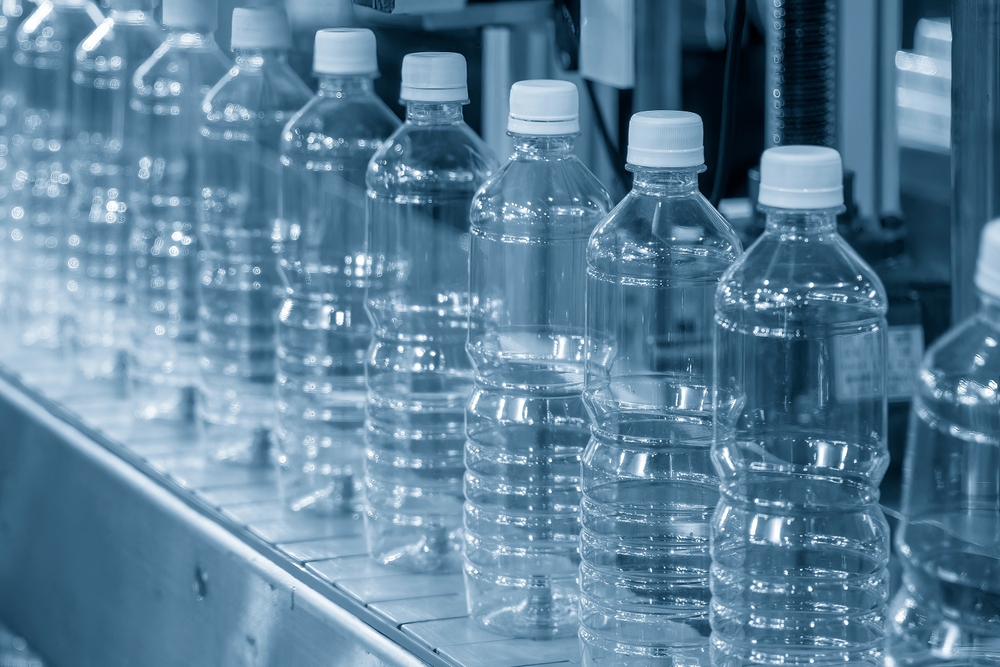
In addition, the report said that among Pact members, the top three plastic packaging formats by tonnage were PET bottles, pallet wrap and other flexibles, including multimaterials.
“Progress is real, but it is not automatic,” said Jonathan Quinn, CEO of the Pact. “The Impact Report takes a clear-eyed view of these challenges, outlining where progress is building and where additional alignment and investment are still needed to achieve circular outcomes at scale.”