Resource Recycling
  • The Latest
  • Analysis
    • All
    • Certification Scorecard
    • Industry Announcements
    • Opinion
    Intel sign outside of company building.

    What Intel’s blockbuster quarter means for ITAD

    Feds to develop repairable computer donation program

    The whitebox blind spot in PC recycling

    Analysis: circular design still elusive in laptops

    PC shipments grew in Q1, but questions remain

    The independent ITAD at a crossroads

    The independent ITAD at a crossroads

    Certification Scorecard — Week of April 20, 2026

    Apple Watch on product box.

    Wearables are coming and ITAD isn’t ready

    Certification Scorecard — Week of April 13, 2026

    EV Battery Pack - Sergii Chernov-Shutterstock

    Redwood, Rivian deal fuels US infrastructure plans

    Bloom ESG and e-Stewards roll out critical metals metric

  • Conferences
  • Publications

    Other Topics

    Textiles
    Organics
    Packaging
    Glass
    Brand Owners

    Metals
    Technology
    Research
    Markets
    Grant Watch

    All Topics

Subscribe
No Result
View All Result
Resource Recycling
  • The Latest
  • Analysis
    • All
    • Certification Scorecard
    • Industry Announcements
    • Opinion
    Intel sign outside of company building.

    What Intel’s blockbuster quarter means for ITAD

    Feds to develop repairable computer donation program

    The whitebox blind spot in PC recycling

    Analysis: circular design still elusive in laptops

    PC shipments grew in Q1, but questions remain

    The independent ITAD at a crossroads

    The independent ITAD at a crossroads

    Certification Scorecard — Week of April 20, 2026

    Apple Watch on product box.

    Wearables are coming and ITAD isn’t ready

    Certification Scorecard — Week of April 13, 2026

    EV Battery Pack - Sergii Chernov-Shutterstock

    Redwood, Rivian deal fuels US infrastructure plans

    Bloom ESG and e-Stewards roll out critical metals metric

  • Conferences
  • Publications

    Other Topics

    Textiles
    Organics
    Packaging
    Glass
    Brand Owners

    Metals
    Technology
    Research
    Markets
    Grant Watch

    All Topics

Subscribe
No Result
View All Result
Resource Recycling
No Result
View All Result
Home Plastics

Study compares PET recycling methods

Marissa HeffernanbyMarissa Heffernan
January 18, 2023
in Plastics
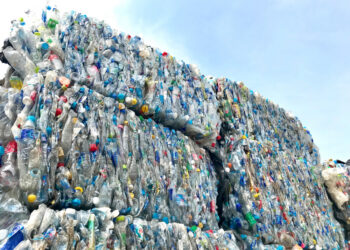
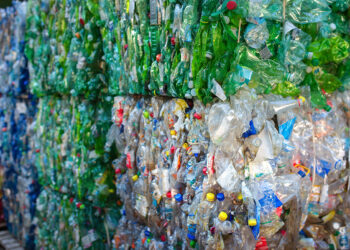
The study looked at mechanical recycling and solvent-based dissolution of PE, PET and PP, as well as enzymatic hydrolysis, glycolysis and vapor methanolysis of PET. | tezzstock/Shutterstock

A study conducted by the National Renewable Energy Laboratory evaluated various PET recycling methods from technical, economic and environmental standpoints to provide a big-picture overview of today’s options.

The research, published by the American Chemical Society, found that mechanical recycling outperformed all other technologies as well as virgin plastic production across economic and environmental considerations, but it ranked lower in technical metrics.

Of several available chemical recycling methods for PET, glycolysis “offered the best economic and environmental performances,” the study found, with areas for future improvement including process yields, consumable reduction or replacement, utility decarbonization and closed-loop recycling for polyolefins.

“Chemical recycling” generally refers to a wide array of processes that use heat, pressure and solvents to break down the molecular chains of polymers into liquids or gasses that can then be processed into fuels, oils, waxes, new plastics or other chemical products.

“This work quantitatively characterized the performances of plastic recycling technologies and established a robust methodology for comparing new recycling processes as they emerge in the future,” the report noted, as well as providing a decision tree to help reclaimers choose the best method for each material.

The study looked at mechanical recycling and solvent-based dissolution of PE, PET and PP, as well as enzymatic hydrolysis, glycolysis and vapor methanolysis of PET, using virgin production as a baseline.

Enzymatic hydrolysis uses hydrolase enzymes to depolymerize PET, glycolysis uses ethylene glycol and methanolysis uses vaporized methanol.

The evaluated metrics were material quality, material retention, circularity, contamination tolerance, minimum selling price, greenhouse gas emissions, energy use, land use, toxicity, waste generation and water use.

Overall, PET mechanical recycling and glycolysis outperformed virgin PET in all metrics, and methanolysis and dissolution scored above virgin levels in the economic and technical sections but scored lower in the environmental and resources sections due to high GHG emissions, toxicity, land use and water use.

Enzymatic PET hydrolysis did not exceed the virgin baseline under any modeled scenario, the study noted.

As for other materials, mechanical recycling of HDPE outperformed virgin production in the environmental and resources sections but had a low technical and economic score.

Dissolution of HDPE did not reach the virgin threshold for any sections, nor did dissolution of LDPE or PP, though mechanical recycling of LDPE and PP performed better in economic and technical sections due to lower bale prices, the study reported.

However, lower scores should not mean that technologies are abandoned, the study noted, because “these techniques may not be advantageous across all metrics but could provide benefits in specific priority areas, especially with continued improvements as the technologies mature.”

The study also highlighted improvements for the different methods. Mechanical recycling could benefit from increased bale quality and polymer yield, as well as the addition of advanced sorting technologies such as fluorescent markers or robotic sorting coupled with artificial intelligence, the study noted.

For dissolution, switching to bio-based solvents could improve its environmental score. Enzymatic PET hydrolysis needs increased monomer yields and to use less water to become viable, the study stated.

Glycolysis could also benefit from improved monomer yields as well as new catalysts. PET methanolysis also needs new catalysts, the study stated, and to use less water.

Tags: Chemical RecyclingFilm & FlexiblesHDPEPETPPResearch
TweetShare
Marissa Heffernan

Marissa Heffernan

Marissa Heffernan worked at Resource Recycling from January 2022 through June 2025, first as staff reporter and then as associate editor. Marissa Heffernan started working for Resource Recycling in January 2022 after spending several years as a reporter at a daily newspaper in Southwest Washington. After developing a special focus on recycling policy, they were also the editor of the monthly newsletter Policy Now.

Related Posts

Dow touts US PE advantage amid Iran war

Dow touts US PE advantage amid Iran war

byAntoinette Smith
April 24, 2026

The PE giant emphasized cost-advantaged North American feedstock and the lack of infrastructure damage from the conflict, and expects to...

Birch Plastics gets FDA green-light for post-industrial PP

LyondellBasell upgrade to PreZero assets on hold

byAntoinette Smith
April 23, 2026

The company is currently optimizing operations at the existing mechanical recycling facility, which it bought in 2024.

What Netflix’s ‘Plastic Detox’ gets wrong – and right

byKeith Loria
April 23, 2026

Advocates are excited about the attention brought on plastics by the documentary, but scientists say more nuance is needed.

Hawaii trials asphalt made with plastic debris and nets

Hawaii trials asphalt made with plastic debris and nets

byScott Snowden
April 20, 2026

Researchers at Hawaii Pacific University test asphalt made with fishing nets and plastic debris, with early results showing no increase...

Aduro losses nearly double on year

Aduro losses nearly double on year

byAntoinette Smith
April 15, 2026

Amid rising expenses for R&D, hiring and scaling efforts, nine-month YTD losses were CAD $14.416 million compared to a loss...

Industry group: Help us find the plastic bale volumes we need

PET bales sink further as other grades firm 

byRecyclingMarkets.net Staff
April 15, 2026

Pricing for HDPE and PP bales rose again, while PET bales remained low, film grades have steadied, and paper and...

Load More
Next Post
Industry Announcements

News from iFixit, Nth Cycle and more

More Posts

Birch Plastics gets FDA green-light for post-industrial PP

LyondellBasell upgrade to PreZero assets on hold

April 23, 2026
The independent ITAD at a crossroads

The independent ITAD at a crossroads

April 22, 2026

Google pilots reuse kits to extend device life

April 21, 2026

What Netflix’s ‘Plastic Detox’ gets wrong – and right

April 23, 2026
EPR fees are a market signal. Here’s what they’re telling you.

Oregon DEQ flags 250 producers for RMA noncompliance

April 21, 2026
What is EPR and why it matters

What is EPR and why it matters

April 22, 2026
Earth Day

Happy Earth Day. Here’s how to celebrate

April 22, 2026
Growth challenges drive M&A for packaging

Growth challenges drive M&A for packaging

April 20, 2026
Prescription drug bottles

National Prescription Drug Take Back Day is Saturday

April 24, 2026

Industrial sources drive rise in PVC recycling

April 13, 2026
Load More

About & Publications

About Us

Staff

Archive

Magazine

Work With Us

Advertise
Jobs
Contact
Terms and Privacy

Newsletter

Get the latest recycling news and analysis delivered to your inbox every week. Stay ahead on industry trends, policy updates, and insights from programs, processors, and innovators.

Subscribe

Welcome Back!

Login to your account below

Forgotten Password?

Retrieve your password

Please enter your username or email address to reset your password.

Log In

Add New Playlist

No Result
View All Result
  • The Latest
  • Analysis
  • Recycling
  • E-Scrap
  • Plastics
  • Policy Now
  • Conferences
    • E-Scrap Conference
    • Plastics Recycling Conference
    • Resource Recycling Conference
    • Textiles Recovery Summit
  • Magazine
  • About Us
  • Advertise
  • Archive
  • Jobs
  • Staff
Subscribe
This website uses cookies. By continuing to use this website you are giving consent to cookies being used. Visit our Privacy and Cookie Policy.