




Resource Recycling
  • The Latest
  • Analysis
    • All
    • Certification Scorecard
    • Industry Announcements
    • Opinion
    The electronics recycling industry is undergoing a transformation from labor-intensive manual operations to highly automated, AI-driven facilities that use advanced robotics, cleaner chemistry and digital tracking systems to extract critical materials.

    The cyber-physical MRF: AI and robotics reshape e-waste recovery

    Certification scorecard for the week of Feb. 9, 2026

    Meta-Corning deal signals IT hardware retirement wave

    Meta-Corning deal signals IT hardware retirement wave

    Malaysia clamps down on illegal e-waste imports amid probes

    Malaysia clamps down on illegal e-waste imports amid probes

    URT builds alliance to remake electronics plastics at scale

    ICYMI: Top 5 e-scrap stories from January 2026

    The electronics recycling industry is undergoing a transformation from labor-intensive manual operations to highly automated, AI-driven facilities that use advanced robotics, cleaner chemistry and digital tracking systems to extract critical materials.

    Certification scorecard for the week of Feb. 2, 2026

    Auditors warn EU may fall short on critical metals

    Auditors warn EU may fall short on critical metals

    Industry announcements for January 2026

    Industry announcements for February 2026

    ICYMI: Top 5 recycling stories from January 2026

  • Conferences
  • Publications

    Other Topics

    Textiles
    Organics
    Packaging
    Glass
    Brand Owners

    Metals
    Technology
    Research
    Markets
    Grant Watch

    All Topics

Subscribe
No Result
View All Result
Resource Recycling
  • The Latest
  • Analysis
    • All
    • Certification Scorecard
    • Industry Announcements
    • Opinion
    The electronics recycling industry is undergoing a transformation from labor-intensive manual operations to highly automated, AI-driven facilities that use advanced robotics, cleaner chemistry and digital tracking systems to extract critical materials.

    The cyber-physical MRF: AI and robotics reshape e-waste recovery

    Certification scorecard for the week of Feb. 9, 2026

    Meta-Corning deal signals IT hardware retirement wave

    Meta-Corning deal signals IT hardware retirement wave

    Malaysia clamps down on illegal e-waste imports amid probes

    Malaysia clamps down on illegal e-waste imports amid probes

    URT builds alliance to remake electronics plastics at scale

    ICYMI: Top 5 e-scrap stories from January 2026

    The electronics recycling industry is undergoing a transformation from labor-intensive manual operations to highly automated, AI-driven facilities that use advanced robotics, cleaner chemistry and digital tracking systems to extract critical materials.

    Certification scorecard for the week of Feb. 2, 2026

    Auditors warn EU may fall short on critical metals

    Auditors warn EU may fall short on critical metals

    Industry announcements for January 2026

    Industry announcements for February 2026

    ICYMI: Top 5 recycling stories from January 2026

  • Conferences
  • Publications

    Other Topics

    Textiles
    Organics
    Packaging
    Glass
    Brand Owners

    Metals
    Technology
    Research
    Markets
    Grant Watch

    All Topics

Subscribe
No Result
View All Result
Resource Recycling
No Result
View All Result
Home Plastics

Federal lawmakers push chemical recycling regulations

Marissa HeffernanbyMarissa Heffernan
July 19, 2022
in Plastics
Federal lawmakers push chemical recycling regulations

Photo Caption

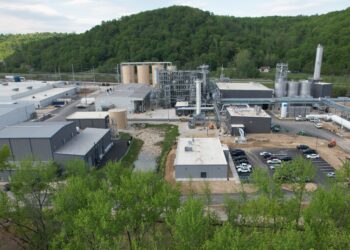
So far, 20 states have passed laws in the past few years to regulate chemical recycling as manufacturing. | JHVEPhoto/Shutterstock

In a letter to the EPA, 35 members of Congress urged the federal department to continue to regulate chemical recycling as combustion, not manufacturing, under the Clean Air Act.

“We ask that EPA continue to regulate pyrolysis and gasification units as waste combustion units so that the most vulnerable communities do not bear even more of a burden from existing facilities,” the letter said.

So far, 20 states have passed laws in the past few years to regulate the emerging industry as manufacturing, raising an outcry from environmentalists and praise from the American Chemistry Council.

The lawmaker letter was signed by Democrats, including Sen. Cory Booker, Rep. Alan Lowenthal and Rep. Alexandria Ocasio-Cortez, along with independent Sen. Bernie Sanders.

“We are writing to express our concern over recent investments in chemical recycling as a means to manage our growing plastic pollution crisis,” the letter said, pointing out “harmful downstream impacts of inadequately managed plastic waste,” rising greenhouse gas emissions and environmental injustice in “vulnerable communities located near polluting petrochemical facilities.”

The lawmakers warned that any changes in how the facilities are regulated could negatively affect air emissions in the communities where the facilities are located, “disproportionately impacting minority and low-income communities.”

“Chemical recycling facilities emit highly toxic chemicals, including benzene, toluene, ethyl benzene, xylenes and dioxins, many of which are linked to cancer, nervous system damage and negative effects on reproduction and development,” the letter said. “The plastic and petrochemical industry has lobbied at the state level to eliminate emission control requirements for incinerators using these technologies, exposing vulnerable fenceline communities to toxic emissions from these processes.”

The letter also called on the EPA to bring existing powers granted by Section 114 of the Clean Air Act to bear on the industry in order to collect emissions information.

“Communities located near these facilities need to know what chemicals they are being exposed to, and they need the full protection that Congress intended the Clean Air Act’s incinerator standards to provide,” the letter said.

The lawmakers also said the way to address growing plastic pollution levels is to reduce the production of new plastics.

“Chemical recycling technologies, specifically pyrolysis and gasification, are forms of iincineration and do not help us achieve new source reduction,” the letter said, adding that “chemical recycling will not solve our plastics crisis and it removes incentives for industry to design their products to transition to a circular economy.”

It noted that while they support the EPA’s work toward making sure the country reaches the national goal of a 50% recycling rate by 2030, “we were disappointed to see EPA include chemical recycling in Part One of the National Recycling Strategy.”

“There is no way to guarantee that the feedstocks created through these processes are used to produce new plastics, meaning that they may not advance a circular economy,” the letter warned. “Instead of leading to the recovery of plastic and supporting the transition to a circular economy, pyrolysis and gasification lead to the release of more harmful pollutants and greenhouse gases.”

 

Starlinger

Tags: Chemical RecyclingLegislationPolicy Now
TweetShare
Marissa Heffernan

Marissa Heffernan

Marissa Heffernan worked at Resource Recycling from January 2022 through June 2025, first as staff reporter and then as associate editor. Marissa Heffernan started working for Resource Recycling in January 2022 after spending several years as a reporter at a daily newspaper in Southwest Washington. After developing a special focus on recycling policy, they were also the editor of the monthly newsletter Policy Now.

Related Posts

Bipartisan reps introduce bill on recycling claims

Bipartisan reps introduce bill on recycling claims

byAntoinette Smith
February 12, 2026

Legislators introduced the Recycled Materials Attribution Act in the US House, drawing support from a new industry group and scrutiny...

Oregon’s Recycling Modernization Act faces injunction

Court partially blocks Oregon EPR law, dismisses bulk of lawsuit

byStefanie Valentic
February 10, 2026

An Oregon federal court issued a limited injunction halting the state's EPR law for members of NAW, but rejected the...

Member states select new chair for global plastics treaty

Member states select new chair for global plastics treaty

byAntoinette Smith
February 10, 2026

During a short session, the Intergovernmental Negotiating Committee elected Chilean diplomat Julio Cordano to continue efforts toward an internationally binding...

REUSE Act heads to US House for consideration

byAntoinette Smith
February 9, 2026

The bill would require the US EPA to collect data on reuse and refill systems across industries including consumer packaging,...

Third ExxonMobil recycling plant operational

Third ExxonMobil recycling plant operational

byAntoinette Smith
February 4, 2026

The global energy giant says it's on track to reach processing capacity of 450 million pounds/year of plastic waste in...

Agilyx leaves US chem recycling, Houston sorting center

Agilyx leaves US chem recycling, Houston sorting center

byAntoinette Smith
February 4, 2026

The European company will transfer its ownership share in the Houston plastics sorting center to JV partners LyondellBasell and ExxonMobil.

Load More
Next Post

Certification Scorecard: July 20, 2022

More Posts

Oregon’s Recycling Modernization Act faces injunction

Court partially blocks Oregon EPR law, dismisses bulk of lawsuit

February 10, 2026
Chinese processing group details goals for US visit

AMP lays out vision of next-generation, AI-driven MRFs

July 24, 2024
Malaysia clamps down on illegal e-waste imports amid probes

Malaysia clamps down on illegal e-waste imports amid probes

February 6, 2026

REUSE Act heads to US House for consideration

February 9, 2026
Meta-Corning deal signals IT hardware retirement wave

Meta-Corning deal signals IT hardware retirement wave

February 9, 2026

ecoATM recycled 7.5M phones in 2025 as payouts hit $1.5B

February 10, 2026
Texas sues over dumped wind turbine blades

Texas sues over dumped wind turbine blades

February 10, 2026

APR, industry create proactive guidance for PET caps

February 12, 2026

Alpek talks PET overcapacity, soft demand

February 11, 2026
The electronics recycling industry is undergoing a transformation from labor-intensive manual operations to highly automated, AI-driven facilities that use advanced robotics, cleaner chemistry and digital tracking systems to extract critical materials.

The cyber-physical MRF: AI and robotics reshape e-waste recovery

February 12, 2026
Load More

About & Publications

About Us

Staff

Archive

Magazine

Work With Us

Advertise
Jobs
Contact
Terms and Privacy

Newsletter

Get the latest recycling news and analysis delivered to your inbox every week. Stay ahead on industry trends, policy updates, and insights from programs, processors, and innovators.

Subscribe

Welcome Back!

Login to your account below

Forgotten Password?

Retrieve your password

Please enter your username or email address to reset your password.

Log In

Add New Playlist

No Result
View All Result
  • The Latest
  • Analysis
  • Recycling
  • E-Scrap
  • Plastics
  • Policy Now
  • Conferences
    • E-Scrap Conference
    • Plastics Recycling Conference
    • Resource Recycling Conference
    • Textiles Recovery Summit
  • Magazine
  • About Us
  • Advertise
  • Archive
  • Jobs
  • Staff
Subscribe
This website uses cookies. By continuing to use this website you are giving consent to cookies being used. Visit our Privacy and Cookie Policy.