



Resource Recycling
  • The Latest
  • Analysis
    • All
    • Certification Scorecard
    • Industry Announcements
    • Opinion
    The electronics recycling industry is undergoing a transformation from labor-intensive manual operations to highly automated, AI-driven facilities that use advanced robotics, cleaner chemistry and digital tracking systems to extract critical materials.

    The cyber-physical MRF: AI and robotics reshape e-waste recovery

    Certification scorecard for the week of Feb. 9, 2026

    Meta-Corning deal signals IT hardware retirement wave

    Meta-Corning deal signals IT hardware retirement wave

    Malaysia clamps down on illegal e-waste imports amid probes

    Malaysia clamps down on illegal e-waste imports amid probes

    URT builds alliance to remake electronics plastics at scale

    ICYMI: Top 5 e-scrap stories from January 2026

    The electronics recycling industry is undergoing a transformation from labor-intensive manual operations to highly automated, AI-driven facilities that use advanced robotics, cleaner chemistry and digital tracking systems to extract critical materials.

    Certification scorecard for the week of Feb. 2, 2026

    Auditors warn EU may fall short on critical metals

    Auditors warn EU may fall short on critical metals

    Industry announcements for January 2026

    Industry announcements for February 2026

    ICYMI: Top 5 recycling stories from January 2026

  • Conferences
  • Publications

    Other Topics

    Textiles
    Organics
    Packaging
    Glass
    Brand Owners

    Metals
    Technology
    Research
    Markets
    Grant Watch

    All Topics

Subscribe
No Result
View All Result
Resource Recycling
  • The Latest
  • Analysis
    • All
    • Certification Scorecard
    • Industry Announcements
    • Opinion
    The electronics recycling industry is undergoing a transformation from labor-intensive manual operations to highly automated, AI-driven facilities that use advanced robotics, cleaner chemistry and digital tracking systems to extract critical materials.

    The cyber-physical MRF: AI and robotics reshape e-waste recovery

    Certification scorecard for the week of Feb. 9, 2026

    Meta-Corning deal signals IT hardware retirement wave

    Meta-Corning deal signals IT hardware retirement wave

    Malaysia clamps down on illegal e-waste imports amid probes

    Malaysia clamps down on illegal e-waste imports amid probes

    URT builds alliance to remake electronics plastics at scale

    ICYMI: Top 5 e-scrap stories from January 2026

    The electronics recycling industry is undergoing a transformation from labor-intensive manual operations to highly automated, AI-driven facilities that use advanced robotics, cleaner chemistry and digital tracking systems to extract critical materials.

    Certification scorecard for the week of Feb. 2, 2026

    Auditors warn EU may fall short on critical metals

    Auditors warn EU may fall short on critical metals

    Industry announcements for January 2026

    Industry announcements for February 2026

    ICYMI: Top 5 recycling stories from January 2026

  • Conferences
  • Publications

    Other Topics

    Textiles
    Organics
    Packaging
    Glass
    Brand Owners

    Metals
    Technology
    Research
    Markets
    Grant Watch

    All Topics

Subscribe
No Result
View All Result
Resource Recycling
No Result
View All Result
Home Plastics

Scientists find new market for EPS: paint

byJared Paben
October 4, 2019
in Plastics
Scientists find new market for EPS: paint
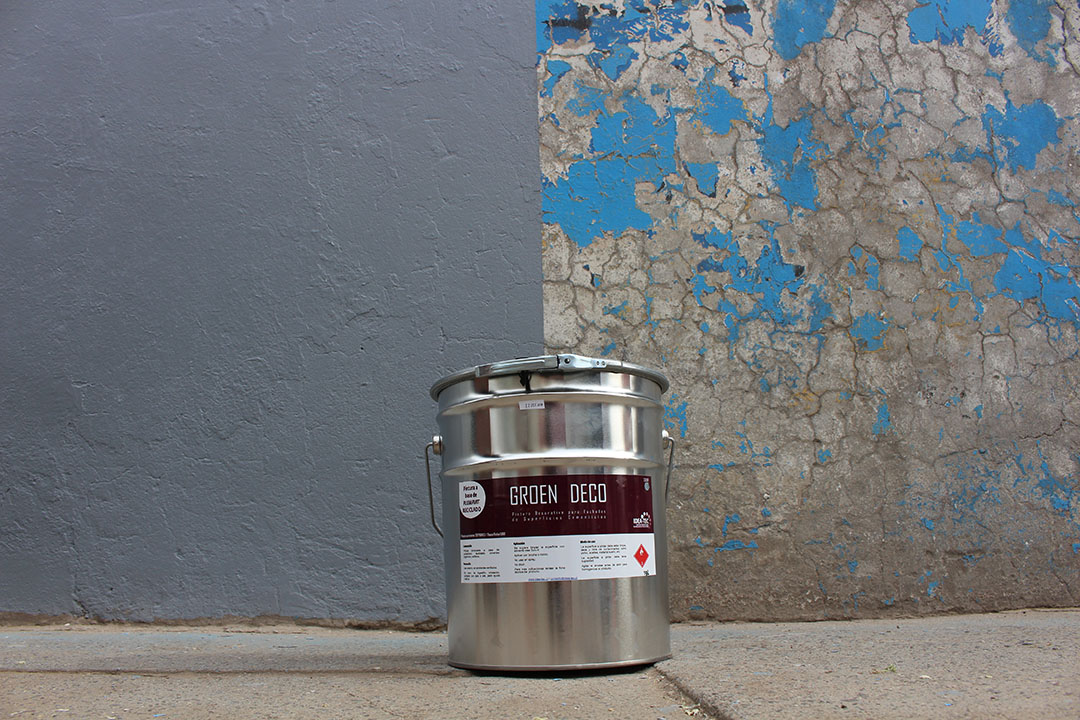
Idea-Tec is currently recycling about five tons of EPS per month, producing 25 tons of paint.

Two Chilean chemists are commercializing a technology they developed to recycle expanded polystyrene into paint.

The process used by Idea-Tec, based in Santiago, Chile, converts EPS into a key ingredient for paints used to color floors and walls and to mark lines on roads and parking lots.

Founded in 2014 by Cristina Acuña Rougier and Constanza Cifuentes Eaglehurst, Idea-Tec is currently recycling about five tons of EPS per month, producing 25 tons of paint. The company made its first sales in late 2018.

Origin of the idea

The founders started Idea-Tec with the goal of using their chemistry knowledge to develop a market for EPS, which isn’t recycled in Chile, Acuña Rougier explained.

They first tried to produce commercially competitive glues and varnishes from EPS, but the efforts failed, she said. “However, most of the standards for varnishes also are for paints, so the idea of a paint came from this experience,” she said. They began researching recycling EPS into paint and at the end of 2015 had their first small can of paint.

The feedstock they use consists of relatively clean EPS generated by both businesses and households. The business material comes from a couple of sources: production scrap from companies that cut foam to make molding that goes where walls and ceilings meet, and companies that generate used foam blocks that protect electronics and appliances. Once a month, Idea-Tec also receives EPS protective packaging from homes.

(Story continues below slideshow. Hover over a photo to bring up arrows that allow you to advance through the sequence.)

Acuña Rougier said the company developed a machine that cuts the foam and compresses it with different substances. According to an international patent published in 2018, EPS is first mixed with an organic solvent – a large variety of solvents can be used in this step. Then, impurities are separated by decanting. In the last step, pigments are mixed in using a dispersing agent, along with some amount of organic solvent.

An example from the patent application provides more details on the process:

A 46-gram batch of EPS is mixed with 42 grams of a solvent. In this example, the solvent is a 9-to-1 mixture of xylene and ethyl acetate. The mixture is left at about room temperature (77 degree Fahrenheit) for two days until impurities the impurities sink. About 44 grams of liquid floating over the solid impurities are then removed, and they are mixed with 1 gram of soy lecithin, 20 grams of the xylene-ethyl acetate mixture, and 16 grams of pigment (in this case titanium dioxide to make a white paint). The mixing occurs over about 15 minutes in an industrial blender working at 1,100 RPMs. Then, in the final step, the product is mixed with another 19 grams of the xylene-ethyl acetate mixture in the blender at 500 RPMs for 10 minutes.

Acuña Rougier said Idea-Tec has products with different PS concentrations, but the best-selling product is made with 20% PS.

Archdaily.com first wrote about the company and its technology in March.

To receive the latest news and analysis about plastics recycling technologies, sign up now for our free monthly Plastics Recycling Update: Technology Edition e-newsletter.


 

2020 Plastics Recycling Conference and Trade Show

Tags: PSTechnology
TweetShare
Jared Paben

Jared Paben

Related Posts

The electronics recycling industry is undergoing a transformation from labor-intensive manual operations to highly automated, AI-driven facilities that use advanced robotics, cleaner chemistry and digital tracking systems to extract critical materials.

The cyber-physical MRF: AI and robotics reshape e-waste recovery

byDavid Daoud
February 12, 2026

The electronics recycling industry is entering a new phase of technological acceleration. Advances in artificial intelligence, robotics, advanced chemistry, and...

Cirba Solutions: Battery fires stoking EPR bill movement

byStefanie Valentic
February 2, 2026

As batteries appear in everything from light-up shoes to electric vehicles, new EPR laws are reshaping recycling requirements.

TÜV rolls out traceability audits for recycled inputs

TÜV rolls out traceability audits for recycled inputs

byScott Snowden
January 14, 2026

Based in Germany, TÜV Rheinland launched a closed-loop recycled material verification program for electronics supply chains, auditing traceability and quality...

Robot pilot targets legacy parts to help supply defense

Robot pilot targets legacy parts to help supply defense

byScott Snowden
December 29, 2025

Although chip availability has improved since the worst shortages earlier in the decade, Tuurny says demand for legacy electronics remains...

Glacier AI at Penn Waste aims to improve PET, fiber output

Glacier AI at Penn Waste aims to improve PET, fiber output

byScott Snowden
October 8, 2025

Glacier, the Amazon-backed AI and robotics company, has installed its sorting technology at Penn Waste’s MRF in York County, Pennsylvania,...

APR launches recyclability assessment platform

APR launches recyclability assessment platform

byScott Snowden
October 1, 2025

The Association of Plastic Recyclers will launch a new digital platform to help brands and packaging suppliers evaluate the recyclability...

Load More
Next Post
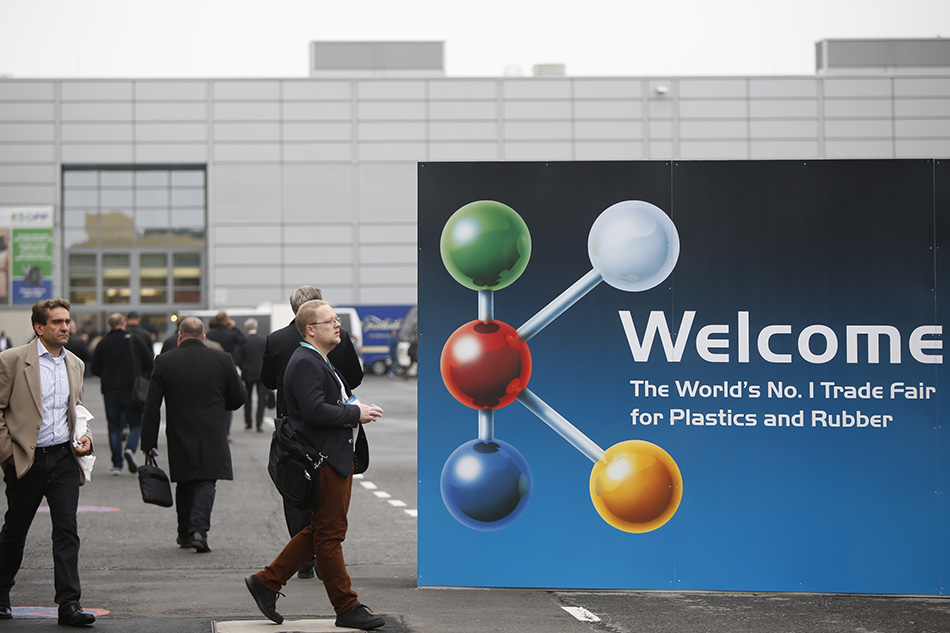
A few of the recycling innovations at K 2019

A few of the recycling innovations at K 2019

More Posts

Chinese processing group details goals for US visit

AMP lays out vision of next-generation, AI-driven MRFs

July 24, 2024
Oregon’s Recycling Modernization Act faces injunction

Court partially blocks Oregon EPR law, dismisses bulk of lawsuit

February 10, 2026
Malaysia clamps down on illegal e-waste imports amid probes

Malaysia clamps down on illegal e-waste imports amid probes

February 6, 2026
Bipartisan reps introduce bill on recycling claims

Bipartisan reps introduce bill on recycling claims

February 12, 2026

APR, industry create proactive guidance for PET caps

February 12, 2026

REUSE Act heads to US House for consideration

February 9, 2026
NERC: Blended average prices fell 40% in third quarter

HDPE, PP bales rise as paper fiber and cans stabilize

February 12, 2026
Texas sues over dumped wind turbine blades

Texas sues over dumped wind turbine blades

February 10, 2026

Alpek talks PET overcapacity, soft demand

February 11, 2026
The electronics recycling industry is undergoing a transformation from labor-intensive manual operations to highly automated, AI-driven facilities that use advanced robotics, cleaner chemistry and digital tracking systems to extract critical materials.

The cyber-physical MRF: AI and robotics reshape e-waste recovery

February 12, 2026
Load More

About & Publications

About Us

Staff

Archive

Magazine

Work With Us

Advertise
Jobs
Contact
Terms and Privacy

Newsletter

Get the latest recycling news and analysis delivered to your inbox every week. Stay ahead on industry trends, policy updates, and insights from programs, processors, and innovators.

Subscribe

Welcome Back!

Login to your account below

Forgotten Password?

Retrieve your password

Please enter your username or email address to reset your password.

Log In

Add New Playlist

No Result
View All Result
  • The Latest
  • Analysis
  • Recycling
  • E-Scrap
  • Plastics
  • Policy Now
  • Conferences
    • E-Scrap Conference
    • Plastics Recycling Conference
    • Resource Recycling Conference
    • Textiles Recovery Summit
  • Magazine
  • About Us
  • Advertise
  • Archive
  • Jobs
  • Staff
Subscribe
This website uses cookies. By continuing to use this website you are giving consent to cookies being used. Visit our Privacy and Cookie Policy.