






Resource Recycling
  • The Latest
  • Analysis
    • All
    • Certification Scorecard
    • Industry Announcements
    • Opinion
    Plastic packaging

    Why SB 54 source reduction planning is becoming the industry’s most challenging EPR test

    Recycler cites market pressure in short-term closure

    AI, data anxiety push enterprises to destroy working devices: report

    Before the Bin: America’s textile waste problem starts in your closet

    Colorado communities prepare for recycling access project

    How to get the reverse side of supply chains talking with the front-end 

    Aurubis smelter pipe system and chimney.

    Aurubis sends positive signal for metals recovery markets

    Wisconsin prepares for E-Cycle rulemaking

    Reading Asia’s e-scrap recycling market through YDDL

  • Conferences
    • Resource Recycling Conference
    • Plastics Recycling Conference
    • E-Scrap: The Longevity Conference
    • Textiles Recovery Summit
  • Publications
    • E-Scrap News
    • Plastics Recycling Update
    • Policy Now
    • Resource Recycling
    • Other Topics
      • Brand Owners
      • Critical Minerals
      • Glass
      • Grant Watch
      • Markets
      • Organics
      • Packaging
      • Research
      • Technology
      • Textiles
      • All Topics
Subscribe
No Result
View All Result
Resource Recycling
  • The Latest
  • Analysis
    • All
    • Certification Scorecard
    • Industry Announcements
    • Opinion
    Plastic packaging

    Why SB 54 source reduction planning is becoming the industry’s most challenging EPR test

    Recycler cites market pressure in short-term closure

    AI, data anxiety push enterprises to destroy working devices: report

    Before the Bin: America’s textile waste problem starts in your closet

    Colorado communities prepare for recycling access project

    How to get the reverse side of supply chains talking with the front-end 

    Aurubis smelter pipe system and chimney.

    Aurubis sends positive signal for metals recovery markets

    Wisconsin prepares for E-Cycle rulemaking

    Reading Asia’s e-scrap recycling market through YDDL

  • Conferences
    • Resource Recycling Conference
    • Plastics Recycling Conference
    • E-Scrap: The Longevity Conference
    • Textiles Recovery Summit
  • Publications
    • E-Scrap News
    • Plastics Recycling Update
    • Policy Now
    • Resource Recycling
    • Other Topics
      • Brand Owners
      • Critical Minerals
      • Glass
      • Grant Watch
      • Markets
      • Organics
      • Packaging
      • Research
      • Technology
      • Textiles
      • All Topics
Subscribe
No Result
View All Result
Resource Recycling
No Result
View All Result
Home Plastics

Expert outlines rPET market evolution

Colin StaubbyColin Staub
February 1, 2017
in Plastics

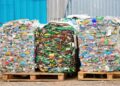
Thermoforms are a growing factor in the PET recycling game, and the National Association for PET Container Resources wants to continue that trend.

Kate Eagles, NAPCOR program director, said the group’s goal is “to make recycling PET thermoforms as easy as recycling PET bottles, without disrupting bottle recycling infrastructure.”

In a webinar this week, Eagles touched on the state of the PET market, potential for growth and efforts to combat declining bale quality. She also delved into the opportunities and challenges associated with PET thermoforms. The webinar was organized by the Pennsylvania Recycling Markets Center and the National Recycling Coalition.

Room for growth

NAPCOR’s goal is to increase the overall supply of collected PET while reducing the contamination of PET bales. Eagles noted that 2016 was a challenging year for the recycling industry.

“So now, more than ever, we focus on market support, trying to remove obstacles to successful recycling,” she said.

PET recycling end markets are strong, Eagles said, with “quite significant” growth from 2004 through 2015. But there is plenty of room for more expansion, and the figures show it.

In their most recent report on PET recycling activity, NAPCOR and the Association of Plastic Recyclers (APR) noted that reclaimers processed roughly 1.5 billion pounds of PET bottles out of a collected 1.7 billion pounds in 2015 (thermoforms were not included in the study’s figures). That was out of a total of nearly 6 billion pounds of PET bottles sold into the U.S. market that year.

As of December 2015, the 28 PET reclamation plants operating nationwide had a combined capacity to process about 2.5 billion pounds of PET annually. That means “we have the capacity to process more material than we are typically collecting,” Eagles said, adding that the domestic PET processing infrastructure is “really quite robust.”

At the same time, while PET material collection is hovering right around 30 to 31 percent, the total amount of PET actually recycled has dropped. Out of all PET generated by consumers, the amount recovered and sold dropped from a 2013 high of 22.6 percent down to about 21.6 percent in 2015. There are a few reasons for that trend, but declining bale quality is a big one.

Quality control

PET bale quality has declined due to increased single-stream collection, which increases overall volume but also increases contamination, Eagles said. Also contributing to the problem is an increase in packaging and labels that are not as recyclable as the PET bottle itself.

Lightweighting has also hurt the economics of PET recycling. Although it’s positive from a sustainability standpoint because less resin is used, it means the thinner containers can follow fibers during sorting. That reduces the volume of material available to make it into PET bales.

To begin addressing these issues, NAPCOR and APR came up with a grading system to rate bales based on the percentage of PET included. They also worked up an audit tool to rate a reclaimer’s output based on a representative sample.

“Let’s at least get a consistent way of talking about bale quality,” Eagles said.

Thermoform collection grows

Although NAPCOR is looking into several non-traditional PET recycling sources, including non-clear bottles, PET thermoforms will likely play a lead role in achieving supply growth in the future.

NAPCOR has been pushing measures to increase PET thermoform recovery since about 2007, when it opened up its membership to PET thermoform manufacturers. The percentage of PET thermoforms found in curbside and drop-off PET bales has risen from about 1.5 percent in 2009 to more than 6 percent in 2014. Figures for 2015 are not yet available, but Eagles predicted thermoforms could jump to more than 8 percent in bales.

PET bottles and thermoforms together can present problems. PET thermoforms can get caught up with other objects when they’re sorted into bales. And once recycling programs begin to accept PET thermoforms, they often see more thermoforms made of lookalike resins.

Although the percentage of PET thermoforms in bales continues to increase, Eagles said she doesn’t know of any reclaimers who are taking purely PET thermoform bales.

Last year, a study by the Sustainable Packaging Coalition found that PET thermoforms were accepted in recycling programs available to 60 percent of U.S. residents. That means PET thermoforms, which include common items such as clamshells, can carry unqualified “recyclable” label, per the Federal Trade Commission’s Green Guides.


 Van Dyk

Tags: Hard-to-Recycle MaterialsIndustry GroupsPET
TweetShare
Colin Staub

Colin Staub

Colin Staub was a reporter and associate editor at Resource Recycling until August 2025.

Related Posts

Niagara acquires rPlanet Earth assets in California

Niagara acquires rPlanet Earth assets in California

byAntoinette Smith
May 15, 2026

Adding the Southern California facility to its operations, Niagara is expanding its beverage manufacturing operations and pursuing vertical integration.

Industry descends on DC to fight for PET

Industry descends on DC to fight for PET

byAntoinette Smith
May 13, 2026

Amid numerous recent hits to the common packaging plastic, a stakeholder coalition is engaging with policy makers to encourage policy...

SWANA hires new executive director

APR, RecyClass wrap up third year of collaboration

byAntoinette Smith
May 12, 2026

The North American and EU organizations are working together to harmonize global recyclability standards.

PP bales rise, paper grades edge higher

byRecyclingMarkets.net Staff
May 11, 2026

The national average price of post-consumer PET beverage bottles and jars rose marginally in May, now averaging 2.24 cents per...

May pricing bullish for most bales

May pricing bullish for most bales

byAntoinette Smith
May 11, 2026

Parts of the struggling recycling sector are seeing upside in war-related surges in commodity pricing.

APR, industry groups testify on overcapacity

APR, industry groups testify on overcapacity

byAntoinette Smith
May 8, 2026

Steve Alexander, CEO of APR, pointed to China as driving global oversupply despite fluctuating PET imports to the US and...

Load More
Next Post
In other news: Sept. 8, 2016

In other news: Feb. 1, 2017

More Posts

Extruder pushes out natural HDPE pellets at KW Plastics in Troy, Alabama.

Rare look inside the world’s largest plastics recycler

May 13, 2026
Bottle bill backers see opportunity for action

PET collapse exposes gaps in US recycling infrastructure

May 15, 2026
Niagara acquires rPlanet Earth assets in California

Niagara acquires rPlanet Earth assets in California

May 15, 2026

American Battery Technology confirms second site

May 13, 2026
NJ e-scrap legislation

NJ qualifies PureCycle PP for minimum PCR law

May 14, 2026
Industry descends on DC to fight for PET

Industry descends on DC to fight for PET

May 13, 2026
Back-to-school 2026/27: Apple vs. Google

Back-to-school 2026/27: Apple vs. Google

May 13, 2026
APR, industry groups testify on overcapacity

APR, industry groups testify on overcapacity

May 8, 2026
Surveys examine gaps in consumer recycling education

Study finds lack of proper battery disposal

May 13, 2026
Retail aisle with paper and plastic packaging.

Loblaw’s recyclability push could reshape packaging design across North America

May 14, 2026
Load More

About & Publications

About Us

Staff

Archive

Magazine

Work With Us

Advertise
Jobs
Contact
Terms and Privacy

Newsletter

Get the latest recycling news and analysis delivered to your inbox every week. Stay ahead on industry trends, policy updates, and insights from programs, processors, and innovators.

Subscribe

Welcome Back!

Login to your account below

Forgotten Password?

Retrieve your password

Please enter your username or email address to reset your password.

Log In

Add New Playlist

No Result
View All Result
  • The Latest
  • Analysis
  • Recycling
  • E-Scrap
  • Plastics
  • Policy Now
  • Conferences
    • E-Scrap Conference
    • Plastics Recycling Conference
    • Resource Recycling Conference
    • Textiles Recovery Summit
  • Magazine
  • About Us
  • Advertise
  • Archive
  • Jobs
  • Staff
Subscribe
This website uses cookies. By continuing to use this website you are giving consent to cookies being used. Visit our Privacy and Cookie Policy.