
A new leader and a business spin-off have poised a New Zealand-based critical mineral recovery company for expansion across the United States.
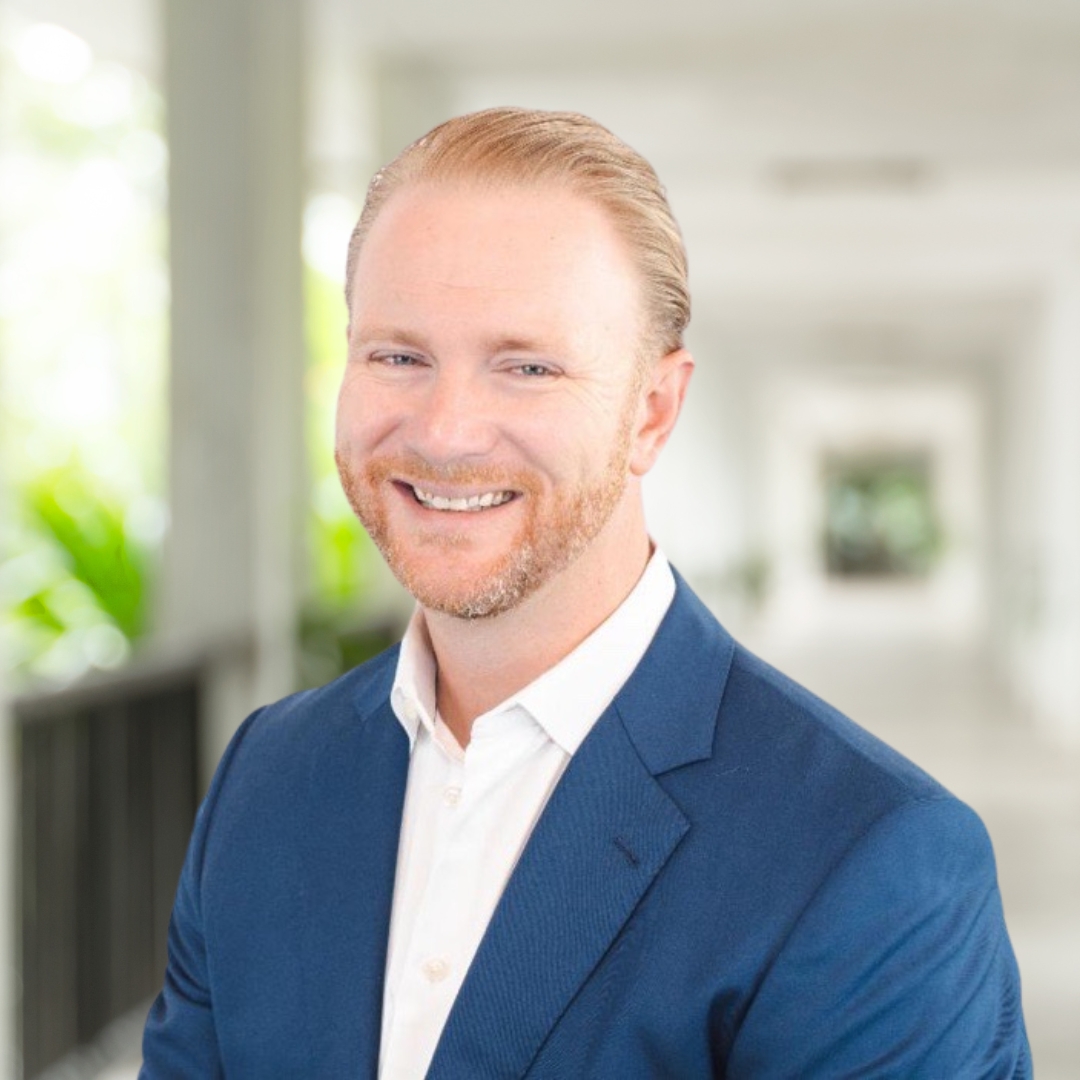
Mint Innovation named Matt Bedingfield its CEO last week. He will lead the company out of its Louisville office and take over for Will Barker, who helped found the company in 2016.
Bedingfield will have a little bit less to oversee as a result of the company’s other move last week. It spun off its lithium-ion battery recovery business into an independent entity, while retaining a minority stake. That new company, Linca, will be led by another Mint co-founder, Ollie Crush.
Bedingfield said the move will allow Mint to focus on its core business, recovering metals from printed circuit boards. The company’s hydrometallurgical process was used to create the first-ever batch of certified closed-loop copper; Hewlett-Packard is supplying the feedstock and reusing the copper in new products. Mint’s process requires no smelting and is usable in urban areas.
Bedingfield said the spin-off will allow Mint to enter similar partnerships at a larger scale.
“Mint reached a level of maturity. We knew there would always be a time where this would happen,” he said of the spin-off. “We all like to think we can multitask. But at the end of the day, we are all more efficient when focused on a single item. This gives us that separation of duties without losing efficiencies.”
Mint’s team has been tasked in the near term with getting the company’s first US facility open in Longview, Texas. Once operational, that facility should have an input capacity of about 4,200 tons per year and recover copper, gold, tin and palladium. Bedingfield said the site is secured, and work is ongoing to get equipment ready and complete a strategic fundraising campaign.
That campaign will help in Texas and with facilities Bedingfield hopes will stretch across the nation. He said it’s reasonable to break ground on two more plants within five years and have a stable of 7-10 plants within a decade, giving Mint nationwide reach.
“That’s just the US. Other countries are interested,” he said. “Everyone should be worried about creating their own sovereign supply chains, becoming self-sufficient with mineral supply.”
Mint won’t be entirely self-sufficient as it builds out. Mint and Linca will still share an Auckland headquarters, and Bedingfield said the separate teams will collaborate on technology and operations — “when issues arise, go to the smart people on the other side,” he said.
Scaling up as a separate entity will help Mint meet demand that continues to grow. As one example, the surge in data center construction has left the US millions of pounds short on copper.
“These metals are the exact metals we need,” Bedingfield said. “Our copper and precious metals recovery business is being asked to do more, faster, by customers who need a domestic alternative to smelting.”
Bedingfield previously served as Mint’s global president.