
An Australian asset management company is set to expand the market for 3D printer filament made from plastic recycled off of discarded electronics.
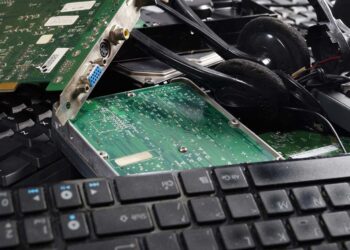
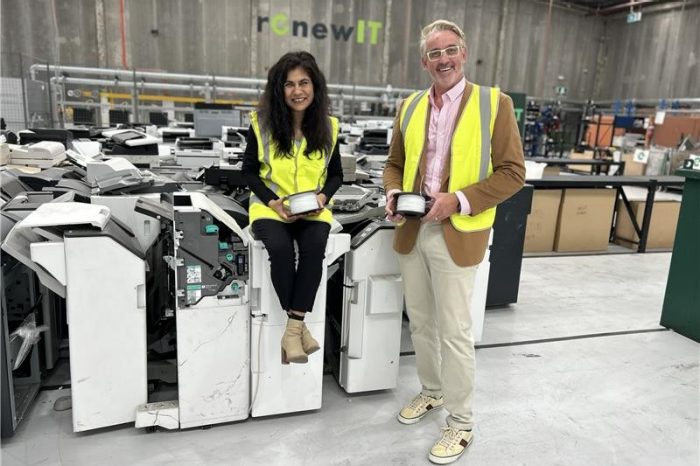
Sydney-based Renew IT has been working with researchers from the University of New South Wales (UNSW) on its Plastics Filament MICROfactorie. This technology module can convert acrylonitrile butadiene styrene (ABS) from the casings of printers, computers and models into pellets that can then be made into 3D printer filament.
The filament is made by transforming the plastic through controlled heating and cooling. The final product is spooled so it can be fed into 3D printers.
Researchers have worked on the product since 2023 and, by 2024, were creating some 200 filament spools per day. The product has been sold on a small scale since 2025, diverting tens of millions of pounds of e-scrap plastic from landfills.
But the next step may be soon at hand. The company is looking into the financial details of ramping production to see if it can be profitable at a larger scale commercially, according to Aaron Blackrock, Renew’s chief sales officer.
“It’s created an amazing opportunity to bring on new customers who want to be part of that story,” he said during last week’s ITAD Summit in Las Vegas.
The method uses plastic from devices that Renew can’t refurbish and/or resell, keeping potential waste out of landfills, according to Veena Sahajwalla, director of UNSW’s SMaRt Centre, which oversees the MICROfactorie. Since most of the filament used in Australia is imported, this also creates a domestic supply of non-virgin material.
This technology has “the potential to revolutionize 3D printer filament creation,” she said.
The market for 3D filament stands at an estimated $1.5 billion and is expected to more than quadruple to $7.1 billion by 2033, according to Grand View Research. So the market demand will be there, Blacklock said.
But creating a niche in the marketplace like this can help a company stand out, he said. Other companies such as Nefilatek in Canada have brought similar technology involving e-scrap plastic to market, meaning those who can balance the financials with the story behind the product will break through.
“Winning over customers isn’t only about the financial output,” he said. “There needs to be some extreme ownership of what you do.”
Australia misses out on roughly $419 million in economic value per year by not recovering plastic waste, which is recycled at a 13% rate nationally, according to the Clean Up Australia advocacy group.
Renew IT was founded in 2008 and employs more than 200 people across Australia and New Zealand.