



An eight-figure funding influx will help a London-based precious metal recovery company fine-tune its processes as it prepares to scale up operations.
DEScycle has secured 10 million euros ($11.38 million) over the past 11 months from various agencies and funds, including EU Horizon and the EIC Accelerator. The money will help expand the scope and scale of DEScycle’s ionometallurgy platform, which uses eutectic solvents to dissolve and recover metals with less energy use than traditional methods.
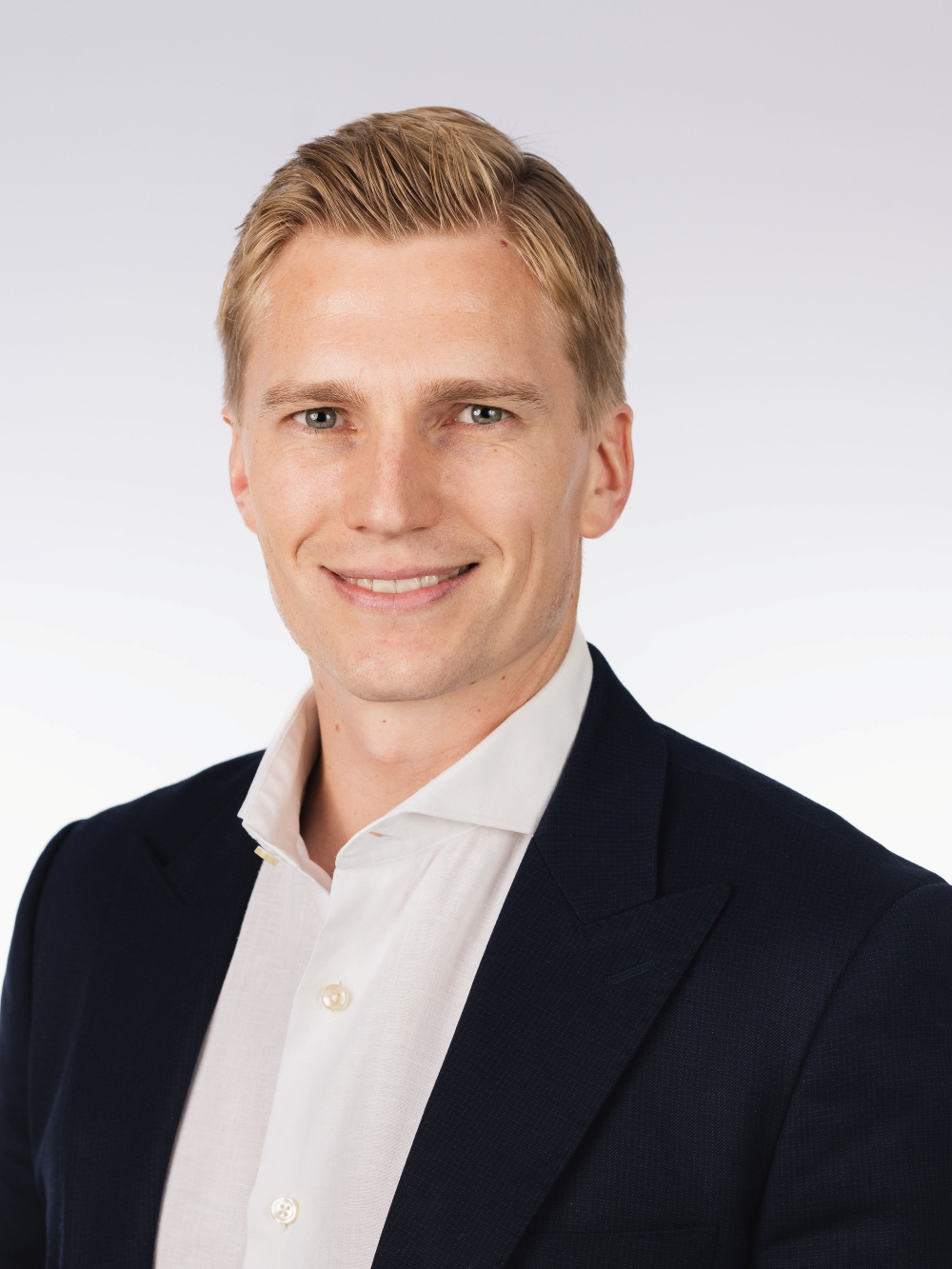
“We struggled for grant funding earlier in our life,” said Fred White, company co-founder and COO. “There’s been a big shift in government and strategies. That’s benefitted companies in the recycling space.”
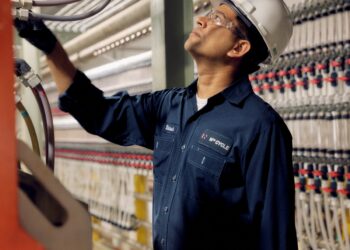
A demo plant opened this week in Teesside, but White said the money will allow DEScycle to triple the time it can operate, to 18-24 months. That facility, which should be open before the end of the year, will initially be able to process around 5,000 pounds of e-scrap per year.
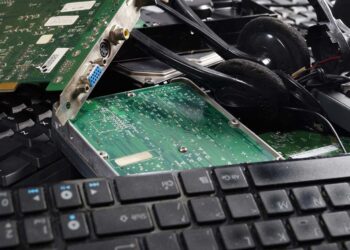
DEScycle intends to gather information on metals it processes, including silver, gold and tin, and determine details on what it can provide commercially with that material. A partnership is already in place with Mitsubishi that will allow for DEScycle recovered metals to be marketed through Mitsubishi’s global trading network.
With the extended operational period, White said the company can now use the first 6-9 months to gather core engineering data, then integrate that information to optimize process trials — “allow for more flexibility and innovation,” White said.
That innovation includes testing a processing step that could cut operating expenses 40%, he said, through an electrochemical process that could replace the chemical processes the company uses. The funding will allow for a subunit to be built at scale and added to the test facility, allowing lower-value metal to be removed through a regeneration step.
“It’s really exciting we had this breakthrough already,” White said.
The funding will allow for more material types to be tested in the facility, he said, and improve the quality of what the company produces. It will also help finance peripheral items such as digital product passports and product tags.
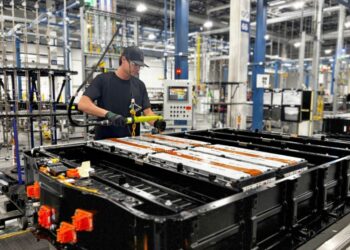
Long term, the goal is to build a full-scale commercial facility that could build up to a processing capacity of 50-100 tons per year, White said. Hopes are to expand behind e-scrap feedstock to copper, batteries and magnets.
Favorable environmental trends have the company thinking about expansion throughout Europe, as well as Japan and the United States.
“The technology is green. It brings national sovereignty,” White said. “There’s been a massive shift in narrative geopolitically. Everyone’s waking up, thinking it might be a good idea to have a strategy around this.”
The company has secured more than 30 million euros ($34.14 million) since launch and also has partnerships in place with GAP Group and Cisco.