






Resource Recycling
  • The Latest
  • Analysis
    • All
    • Certification Scorecard
    • Industry Announcements
    • Opinion
    HP receives ocean plastics certification

    HP Inc. earnings point to memory inflation challenge

    Certification scorecard for the week of Feb. 23, 2026

    Umicore highlights strength in recycling, catalysis

    Apto, Tusaar partner on rare earths recovery

    Apto, Tusaar partner on rare earths recovery

    Certification scorecard for the week of Feb. 16, 2026

    Sims Lifecycle leverages hyperscale decommissioning

    Sims Lifecycle leverages hyperscale decommissioning

    The electronics recycling industry is undergoing a transformation from labor-intensive manual operations to highly automated, AI-driven facilities that use advanced robotics, cleaner chemistry and digital tracking systems to extract critical materials.

    The cyber-physical MRF: AI and robotics reshape e-waste recovery

    Certification scorecard for the week of Feb. 9, 2026

    Meta-Corning deal signals IT hardware retirement wave

    Meta-Corning deal signals IT hardware retirement wave

  • Conferences
  • Publications

    Other Topics

    Textiles
    Organics
    Packaging
    Glass
    Brand Owners

    Metals
    Technology
    Research
    Markets
    Grant Watch

    All Topics

Subscribe
No Result
View All Result
Resource Recycling
  • The Latest
  • Analysis
    • All
    • Certification Scorecard
    • Industry Announcements
    • Opinion
    HP receives ocean plastics certification

    HP Inc. earnings point to memory inflation challenge

    Certification scorecard for the week of Feb. 23, 2026

    Umicore highlights strength in recycling, catalysis

    Apto, Tusaar partner on rare earths recovery

    Apto, Tusaar partner on rare earths recovery

    Certification scorecard for the week of Feb. 16, 2026

    Sims Lifecycle leverages hyperscale decommissioning

    Sims Lifecycle leverages hyperscale decommissioning

    The electronics recycling industry is undergoing a transformation from labor-intensive manual operations to highly automated, AI-driven facilities that use advanced robotics, cleaner chemistry and digital tracking systems to extract critical materials.

    The cyber-physical MRF: AI and robotics reshape e-waste recovery

    Certification scorecard for the week of Feb. 9, 2026

    Meta-Corning deal signals IT hardware retirement wave

    Meta-Corning deal signals IT hardware retirement wave

  • Conferences
  • Publications

    Other Topics

    Textiles
    Organics
    Packaging
    Glass
    Brand Owners

    Metals
    Technology
    Research
    Markets
    Grant Watch

    All Topics

Subscribe
No Result
View All Result
Resource Recycling
No Result
View All Result
Home E-Scrap

Right to repair in WA and battery EPR in Nebraska

Marissa HeffernanbyMarissa Heffernan
May 22, 2025
in E-Scrap
Right to repair in WA and battery EPR in Nebraska

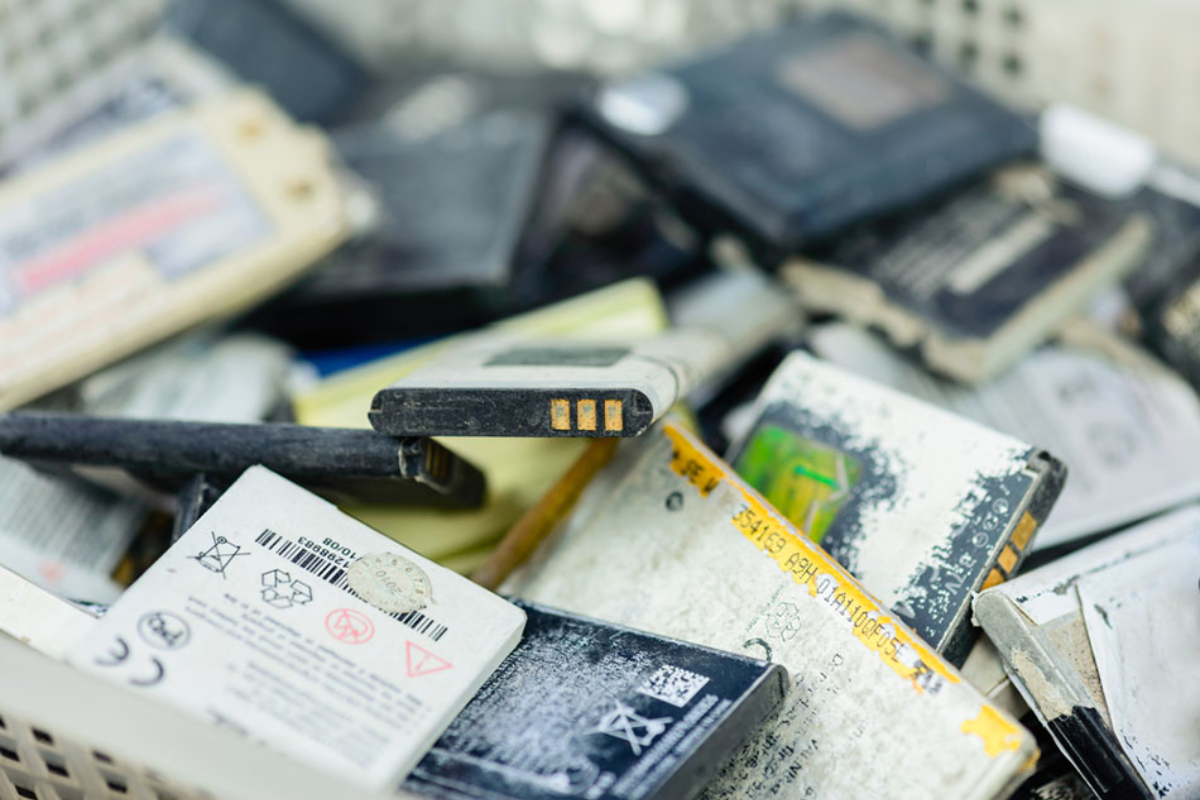
Governors in Washington and Nebraska signed e-scrap bills into law recently, giving Washingtonians the right to repair their consumer electronics and Nebraskans an extended producer responsibility program for batteries. 

LB 36, the Safe Battery Collection and Recycling Act, marks Nebraska’s first EPR attempt, according to the Nebraska Recycling Council. It was signed into law on May 20 after passing a final reading vote of 43-6 on May 14. 

Executive Director of the Nebraska Recycling Council Kim Carroll Steward told E-Scrap News the passage of the bill “is a major win for safety, economic, and environmental protection in Nebraska.” 

“By improving the way we manage and dispose of lithium batteries, this legislation will help prevent fires, protect Nebraskans, and increase diversion from our landfills, ” she added. “It’s a smart, forward-thinking step toward a safer, cleaner future for our communities.”

The law does not set recycling targets but enacts a battery landfilling ban effective Jan. 1, 2028. The same date is the deadline for producers and retailers to join a battery stewardship organization. By 2029, all batteries must be marked with its chemistry and an “indication that the battery should not be disposed of as household waste.” 

Those requirements don’t apply to batteries that are less than one-half inch in diameter. 

Producer plans are due to the state by Jan. 1, 2027, and they must contain details of how the producers intend to meet convenience standards. Under the law, producers must also report on the weight of batteries sold and collected, as well as a breakdown by battery chemistry. Point-of-sale fees are not permitted to fund the stewardship plan. 

In Washington, right-to-repair bill HB 1483 was signed into law on May 19, following a final vote in the Senate of 48-1 on April 10 and the House concurred on April 17 with a vote of 94-1.

The law applies to covered products first sold or used in the state on or after July 1, 2021. It would ban parts pairing for devices sold after Jan. 1, 2026. 

It aims to “broaden access to the information and tools necessary to repair digital electronic products, including computers, cell phones, appliances, and other nonexempted products in a safe, secure, reliable, and sustainable manner, thereby increasing access to appropriate and affordable digital electronic products, supporting small businesses and jobs, and making it easier for all residents of Washington state to connect digitally,” according to its text. 

In addition, the law has a section requiring repair providers to provide certain information to customers before products for repair, including the steps to take to safeguard data and their right to privacy under various state laws. 

WashPIRG in a press release called the signing a “landmark win.” Charlie Fisher, senior advisor with WashPIRG, added that “as a tech industry leader, Washington is no stranger to innovation.”

“I’m proud that we’re moving forward on an innovation even more critical than a new gadget: the right to fix our electronic devices,” Fisher said. “By eliminating manufacturer restrictions, the Right to Repair will make it easier for Washingtonians to keep their personal electronics running. That will conserve precious natural resources and prevent waste.”

Withdrawn and dead bills

As is typical in any legislative session, not all bills make it into law. With legislative session coming to a close in many states this month, here are some e-scrap-related bills that died:

  • Alabama HB 476, a right-to-repair bill that failed to move out of committee before the end of the legislative session. 
  • Alaska SB 61, an electronics EPR bill that failed to move out of committee.
  • Alaska SB 111/HB 162, a pair of right-to-repair bills that failed to move out of committee. 

  • Florida S 1132, a right-to-repair bill that was withdrawn. 
  • Georgia HB 320, a solar panel landfill ban bill that failed to move out of committee. 

  • Hawaii SB 391/HB 332, bills that would have expanded the current e-scrap EPR program to include li-ion batteries. They failed to move out of committee.
  • Indiana HB 1060, a right-to-repair bill that failed to move out of committee.
  • Iowa SF 545/HF 726, an EPR bill for batteries that failed to move out of committee.

  • Maryland SB 591/HB 931, electronics EPR bills that failed to move out of committee.

  • Maryland SB 686, an EPR bill for batteries that failed to move out of committee.
  • Minnesota SF 1690/HB 1420, EPR bills for circuit boards, batteries and electrical products that failed to move out of committee.

  • Missouri SB 593/HB 1508, EPR bills for batteries that failed to move out of committee.

  • Missouri HB 582, a right-to-repair bill that failed to move out of committee.

  • New Mexico SB 69, a right-to-repair bill that failed to move out of committee. 

Tags: BatteriesEPR
TweetShare
Marissa Heffernan

Marissa Heffernan

Marissa Heffernan worked at Resource Recycling from January 2022 through June 2025, first as staff reporter and then as associate editor. Marissa Heffernan started working for Resource Recycling in January 2022 after spending several years as a reporter at a daily newspaper in Southwest Washington. After developing a special focus on recycling policy, they were also the editor of the monthly newsletter Policy Now.

Related Posts

Battery fire risk isn’t going away. Insurance is responding

Battery fire risk isn’t going away. Insurance is responding

byKeith Loria
February 24, 2026

In 2026, insurability may depend on how convincingly facilities can demonstrate they are both preventing ignition and limiting catastrophic loss...

Minnesota publishes prelim EPR assessment

Minnesota publishes prelim EPR assessment

byAntoinette Smith
February 20, 2026

The report will inform recommendations featured in the next report to develop the state's EPR program for packaging.

Vermont’s battery stewardship law targets fire risk

byStefanie Valentic
February 20, 2026

The state's new law gives residents more options to safely dispose of everything from single-use alkaline batteries to medium-format e-bike...

Umicore highlights strength in recycling, catalysis

byDavid Daoud
February 20, 2026

The company's 2025 performance offers a compelling case study in how established recovery models can provide a buffer during periods...

Nebraska grant recipients include electronics, battery programs

byAntoinette Smith
February 19, 2026

The grants will help fund collection of used electronics in the state, which last year passed a battery EPR law.

SWANA, Fire Rover partner on reporting tool

byAntoinette Smith
February 19, 2026

Industry stakeholders can use the new site to report fires occurring at their facilities or in vehicles, to help support...

Load More
Next Post

News from Ball, Ellen MacArthur Foundation and more

More Posts

WM opens new $90m MRF in south Florida 

WM opens new $90m MRF in south Florida 

February 23, 2026
PET bales stacked for recycling.

Evergreen closing RPET plants in Ohio, New York

February 24, 2026
Battery fire risk isn’t going away. Insurance is responding

Battery fire risk isn’t going away. Insurance is responding

February 24, 2026
Study links tagging tactics to lower contamination rates

Arizona, Reynolds reach settlement on Hefty bag lawsuit

February 23, 2026
Chinese processing group details goals for US visit

AMP lays out vision of next-generation, AI-driven MRFs

July 24, 2024
How will 2026 unfold for plastics recycling?

How will 2026 unfold for plastics recycling?

February 19, 2026
Recycled plastic lumber firms report diverging results

Trex CEO to retire after 23-year run

February 25, 2026
Minnesota publishes prelim EPR assessment

Minnesota publishes prelim EPR assessment

February 20, 2026
Polyolefins producer provides PCR updates

Economic downturn forces LyondellBasell to trim sustainability goals

February 23, 2026
State policy is redefining plastics recycling in the US

State policy is redefining plastics recycling in the US

February 19, 2026
Load More

About & Publications

About Us

Staff

Archive

Magazine

Work With Us

Advertise
Jobs
Contact
Terms and Privacy

Newsletter

Get the latest recycling news and analysis delivered to your inbox every week. Stay ahead on industry trends, policy updates, and insights from programs, processors, and innovators.

Subscribe

Welcome Back!

Login to your account below

Forgotten Password?

Retrieve your password

Please enter your username or email address to reset your password.

Log In

Add New Playlist

No Result
View All Result
  • The Latest
  • Analysis
  • Recycling
  • E-Scrap
  • Plastics
  • Policy Now
  • Conferences
    • E-Scrap Conference
    • Plastics Recycling Conference
    • Resource Recycling Conference
    • Textiles Recovery Summit
  • Magazine
  • About Us
  • Advertise
  • Archive
  • Jobs
  • Staff
Subscribe
This website uses cookies. By continuing to use this website you are giving consent to cookies being used. Visit our Privacy and Cookie Policy.