





When we talk about the healthcare supply chain, the conversation understandably focuses on medicines, medical devices, active pharmaceutical ingredients and the infrastructure needed to manufacture and distribute them. But there is another component that is essential to getting those products safely to patients: packaging.
Packaging is not simply what surrounds a medical product. In many cases, it is an integral part of protecting that product from contamination, moisture, oxygen, light, physical damage and other risks throughout manufacturing, transportation, storage and use.
That makes packaging a public health issue – and flexible packaging has an important role to play. It also raises important questions about how healthcare packaging can balance demanding safety and performance requirements with growing expectations for material efficiency, waste reduction and sustainability.
The Covid-19 pandemic demonstrated how quickly disruptions in one part of the healthcare supply chain can affect the entire system. More recently, policymakers and industry have continued to focus on drug shortages, medical-device availability, manufacturing capacity and vulnerabilities involving critical inputs.
The US Food and Drug Administration (FDA) has emphasized that supply-chain disruptions can stem from manufacturing and quality issues, limited suppliers, transportation problems, natural disasters, geopolitical events and other factors.
A resilient healthcare system therefore requires more than sufficient supplies of medicines and devices. It requires the packaging systems that allow those products to remain safe, sterile and effective as they move through the supply chain.
Packaging is part of product protection
Flexible packaging is used across healthcare applications, including pharmaceutical packaging, medical-device packaging, diagnostic products, sterile barrier systems and other medical products. Its value begins with protection.
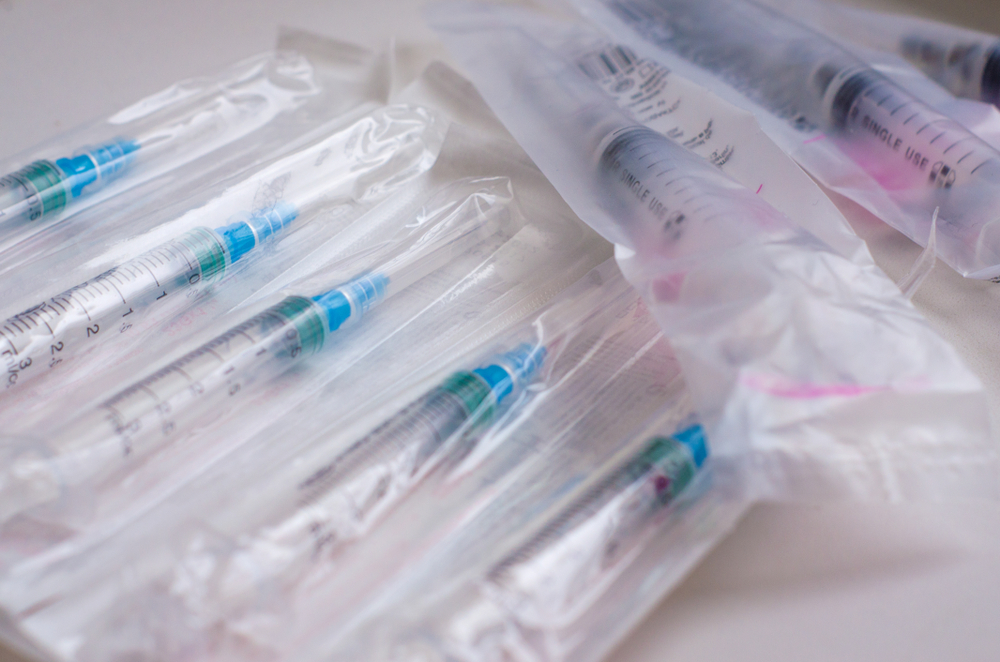
For pharmaceuticals and other sensitive healthcare products, packaging can help control exposure to environmental conditions and preserve product integrity during storage and transportation. For medical devices, packaging can provide a sterile barrier until the product is ready for use.
The FDA recognizes the importance of packaging systems in pharmaceutical and biologic products. Its 2026 draft guidance on container-closure systems, for example, addresses how packaging systems are evaluated for their ability to maintain the quality of drugs and biological products.
Flexible packaging can also be designed around the specific requirements of a product and its distribution environment. Materials and structures can be engineered to provide appropriate barrier properties, seal integrity, puncture resistance and compatibility with sterilization processes.
The FDA notes that many sterile medical devices are sterilized using ethylene oxide and that devices made from polymers, metals or glass – or products involving multiple layers of packaging or difficult-to-reach areas – may rely on ethylene oxide sterilization. Packaging therefore must be considered alongside the sterilization method and the product itself.
This is why packaging decisions cannot be separated from healthcare product safety.
The supply chain doesn’t end at the factory
A medicine or medical device does not become useful simply because it has been manufactured. It has to survive the journey from production to a distributor, healthcare facility, and ultimately the patient.
That journey can involve multiple modes of transportation, temperature and humidity changes, extended storage periods, and repeated handling. Every additional point in that chain introduces an opportunity for damage or degradation.
Flexible packaging can help address some of these challenges by supporting material efficiency, reducing packaging weight and optimizing transportation and storage space. Lightweight packaging can reduce the amount of material that must be moved through the supply chaing, while flexible formats can also be designed to conform closely to their contents.
Those attributes matter when healthcare organizations are managing large volumes of products or responding to an emergency.
The National Academies has identified preventing shortages and protecting public health and safety as central goals of resilient medical-product supply chains. Its framework emphasizes that resilience must account for the interconnected nature of the medical supply chain, from raw materials and manufacturing through transportation, storage and delivery. Packaging is present throughout that chain.
Resilience requires redundancy and flexibility
The word “resilience” can sometimes sound abstract. In healthcare, however, it has a very practical meaning: Can patients and healthcare providers continue to receive the products they need when something goes wrong?
The FDA has established an Office of Supply Chain Resilience for medical devices specifically to monitor risks and vulnerabilities and help prevent or mitigate supply interruptions and shortages. The agency’s work recognizes that medical-device availability depends on a broad ecosystem of manufacturers, suppliers, distributors, healthcare organizations and government partners.
That same thinking should extend to packaging.
A resilient healthcare supply chain should consider the availability of packaging materials, manufacturing capacity, converting capabilities, transportation, and the other inputs required to produce finished packaging. It should also consider whether there are multiple qualified suppliers and whether packaging specifications can accommodate changes when disruptions occur.
In other words, flexibility in the packaging supply chain can be as important as flexibility elsewhere in the system.
That does not mean compromising the performance requirements of healthcare packaging. Medical packaging must meet rigorous specifications for its intended application. The FDA-recognized ASTM F2097 standard, for example, provides guidance for the design and evaluation of primary flexible packaging for medical products, with material selection based on the manufacturing process, end use and product being packaged.
The goal should be to build resilience into a system without compromising safety or performance.
Sustainability belongs in the conversation, too
Healthcare packaging presents a legitimate sustainability challenge. Healthcare products often require packaging that meets demanding performance and safety requirements, and those requirements cannot simply be removed in the name of reducing waste.
These requirements can also complicate recycling. Multilayer structures, specialized barrier materials and potential contamination can limit recovery options, making it important to distinguish between packaging that can be safely recovered and packaging that must be managed through other waste streams.
At the same time, the healthcare industry has an interest in reducing unnecessary material use, minimizing waste and improving resource efficiency.
The answer is not to treat protection and sustainability as competing objectives. Instead, packaging should be evaluated based on its entire purpose and lifecycle.
A package that prevents a pharmaceutical product from being contaminated, or keeps a sterile medical device protected until the moment of use, is performing an important function. If inadequate packaging results in damaged or discarded medicines or medical devices, the environmental and economic consequences extend well beyond the package itself.
Continued collaboration among packaging manufacturers, healthcare organizations, recyclers, and other stakeholders will be essential to identifying opportunities for material reduction, improved package design and responsible recovery where safety and infrastructure allow.
For flexible packaging, this means continuing to advance material efficiency and package design while working toward greater recovery and circularity for formats that can be practically and safely recovered.
Don’t overlook the package when building public health preparedness
The federal government has already recognized that strengthening the medical supply chain requires attention to the industrial base supporting healthcare products. The US Department of Health and Human Services (HHS) public health supply-chain work has examined vulnerabilities involving pharmaceuticals, vaccines, testing and diagnostics, PPE, and durable medical equipment.
More recent federal efforts continue to address shortages and strengthen the resilience of medical-product supply chains. Packaging should be part of that discussion.
When policymakers and healthcare leaders consider supply-chain preparedness, they should ask not only whether enough medicines and medical devices can be produced, but also whether the packaging required to protect and distribute those products will be available.
That means considering domestic and regional manufacturing capabilities, qualified suppliers, material availability and transportation, while also supporting innovation that improves material efficiency and advances responsible packaging recovery without compromising patient safety.
Flexible packaging has an important role in that infrastructure. Its ability to provide protection, barrier properties, sterile barrier protection, and efficient distribution makes it an important component of the healthcare supply chain.
As the United States works to prepare for the next pandemic, natural disaster, geopolitical disruption, or other public health emergency, we should take a more comprehensive view of what resilience requires.
That view should include the package. Because when a healthcare product cannot safely make it from the manufacturing line to the patient, the supply chain has failed—and the package is part of that journey.