




Editor’s note: Electronics reuse and repair will be featured in sessions at the 2026 E-Scrap: The Longevity Conference Oct. 26-28 in New Orleans.
Researchers from two United Kingdom universities found that far fewer electronic devices are reused there than is possible, with recyclers commonly opting instead to process the items themselves rather than getting them back onto the market.
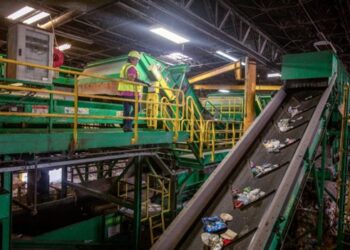
The study was led by Sheeba Pathak of Surrey Business School and Hajar Fatorachian of Leeds Business School. Published in “Business Strategy and the Environment,” the study first looked at recycling facility and government records. Researchers found at the center they visited, about 2.5% of the devices that passed through were considered suitable for reuse. The rest were recycled or otherwise disposed of.
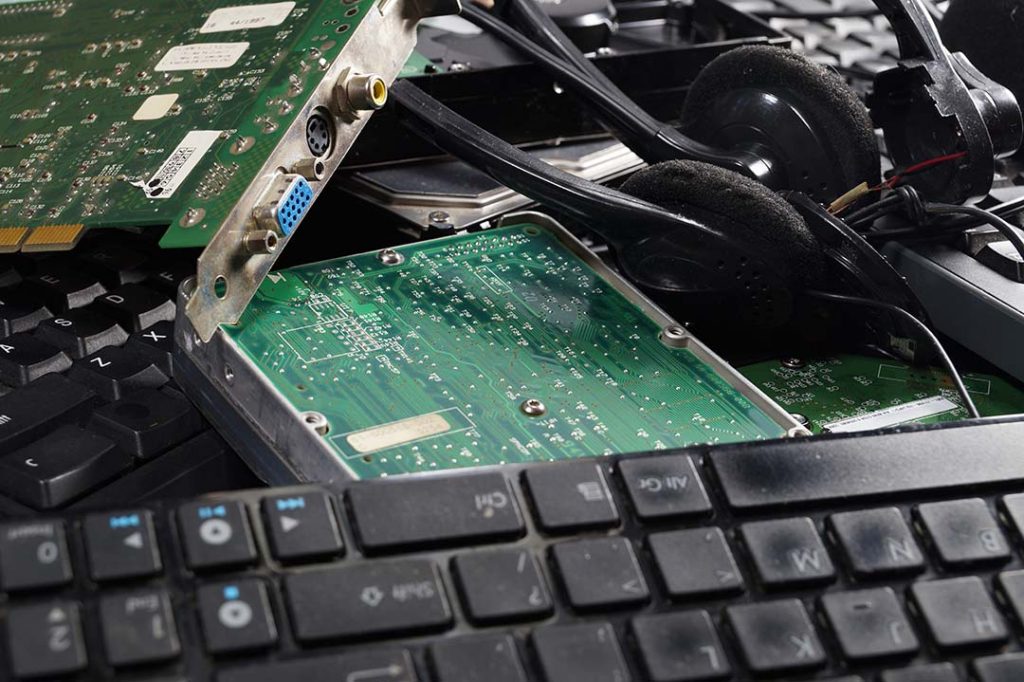
They then visited a repair facility and examined more than 10,000 repair cafe records. That data found about half of the devices taken to repair facilities were fixed, and another 28% were found to be potentially repairable. The average ages of those devices ranged from about 4.5 years for cell phones to 7.6 years for laptops and nearly a decade for desktop computers.
The researchers said the findings indicate a lack of emphasis on e-scrap repair.
“Too many electrical products are treated as waste before anyone has properly considered whether they can be repaired, reused or stripped for valuable parts,” Pathak said. “Recycling has an important role, but it should not automatically be the first destination for a device that may still have years of useful life.”
How devices are made plays some role in their reuse. Matt Zieminski, vice president of partnerships at iFixit, is among many industry leaders calling for devices to be designed for repair.
But that will only play one part in decreasing e-scrap volumes, which total about 1.65 million metric tons per year in the UK — the second-largest per-capita volume in Europe. Assuming that volume grows the 3%-5% per year that is estimated by British ITAD company Recycling Innovent, more will have to be done to keep devices in service, researchers said.
One potential solution they devised is a framework in which recycling centers serve as regional coordination hubs. They could analyze devices and factor in cost, carbon emissions and processing time to direct as many items as is feasible for repair or reuse. Repair services, maker spaces and specialist processors could then reuse devices and/or take any usable parts or minerals from them.
Producers should also be compelled to finance collection schemes and stronger take-back programs, they said, similar to what extended producer responsibility (EPR) laws do in some US states. Funding community repair groups, whether through manufacturer-funded EPR legislation, government funding or another mechanism, would further this effort. So would giving repair facilities the resources they need to return devices to their users more quickly and maintain or improve their performance as compared to when the devices were brought in for repair.
“Repair cafes already show what can be achieved, but relying on goodwill alone will not solve Britain’s electronic waste problem,” Pathak said. “Connecting these services with local governments, manufacturers and recycling operators would help keep products in use, recover valuable resources locally and make the whole system more accountable.”
The UK government requires online retailers to contribute to e-scrap recycling costs and has some obligations for electronic devices under the Waste Electrical and Electronic Equipment guidelines set up by the European Union, including producer registration and distributor takeback regulations.
The study was highlighted in a University of Surrey report late last month.