





As the brokerage arm of the well-known packaging company, Georgia-Pacific Recycling is leveraging its buying power behind a virtual trading platform, to provide an on-ramp to recycling markets for untapped market players for whom generating recycled materials is a byproduct of doing business.
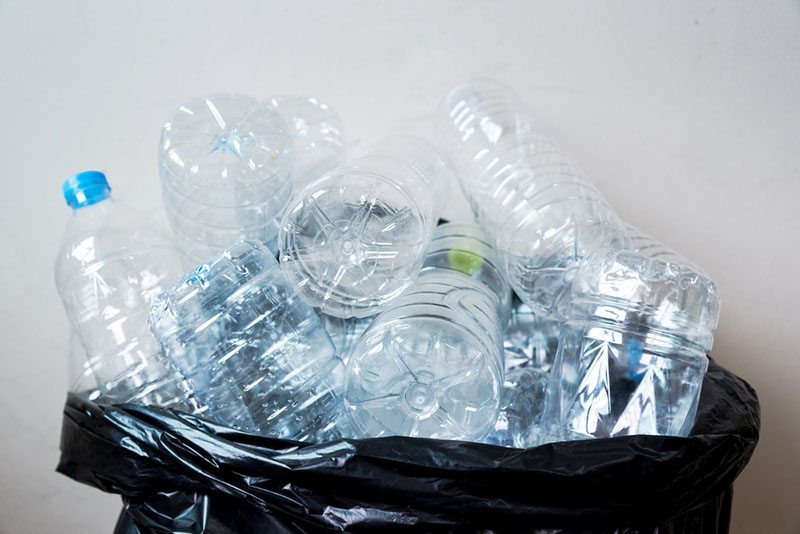
Launched in 2023, the company’s hubbIT platform is a way for smaller generators to sell plastic, glass and metal bottles to the brokerage, while helping to reduce operational complexity and drive supply into recycled markets, said Blake Gordon, general manager of digital trading for GP Recycling.
In its first two years, the platform amassed nearly 2,000 users and paid around $1.2 million for their recyclable waste, diverting more than 16 million pounds of recyclate away from landfill.
The company saw “a trend in the wrong direction with supply,” where demand will soon outstrip available recycled materials, Gordon said. “So we built hubbIT as a way to help bolster supply, by way of essentially activating and educating people, letting them quickly onboard and opt in to the recycling industry, to the market itself, after really not having market access before.”
While GP Recycling directs paper fiber first to its own mills, it brokers about 70% of the cardboard it buys, along with the plastics and metals it procures. And although many smaller generators sell their recyclate directly to mills, this arrangement involves risk, so “buyers often want to hedge their supply basket.”
For example, if the mill has an outage, the seller may be stuck with the material. A brokerage is another option offering multiple outlets, but Gordon said they pay less than direct-to-mill pricing. Being both a mill buyer and among the largest brokers in the world gives GP Recycling a competitive advantage, he added.
Because procurement in recycling markets is largely relationship-based and often lacks formal contract arrangements, hubbIT offers a large, reliable buyer for medium-sized generators, to provide a revenue stream and contribute to recycling supply, rather than paying local haulers to landfill the material, Gordon said.
In the interest of maximizing freight economics, the platform’s sweet spot is half- to full-truckload generators, who may view waste as a “nuisance cost center” – for example, distribution centers, manufacturers and produce growers.
One unique element of hubbIT is that it’s a one-sided buying platform, Gordon said. “We are the buyer, because we know how important that is in this industry of trust, knowing you’re going to be paid, knowing the truck’s going to show up on time. You know who you’re transacting with on the other side.”
In particular, personnel in municipalities, who often wear numerous hats, may not be well versed in recycling markets. For them, the platform is a simple digital entry point, Gordon said. Ideally, a generator’s site would be able to produce enough material to fill a trailer every so often, and potentially store the material in a drop trailer or on-site space until they have amassed enough to sell.
And when a generator starts thinking of waste as a commodity instead of as a nuisance, Gordon said, they become more open to installing a baler, accepting a drop trailer and dedicating facility space to accumulating enough material for GP Recycling to pick up.
The platform also can provide equipment recommendations, arrange drop trailers and offer efficient pickup patterns, he added.
Based in Atlanta, Georgia-Pacific and its subsidiaries manufacture and market bath tissue, paper towels and napkins, tableware, paper-based packaging, cellulose and building products. The company’s most recognizable brands include Angel Soft, Brawny and Dixie. Georgia-Pacific also supplies building products to lumber and building materials dealers and large do-it-yourself warehouse retailers.