



Resource Recycling
  • The Latest
  • Analysis
    • All
    • Certification Scorecard
    • Industry Announcements
    • Opinion
    Rainforest

    Inside the Circle: What the rainforest can teach us about EPR

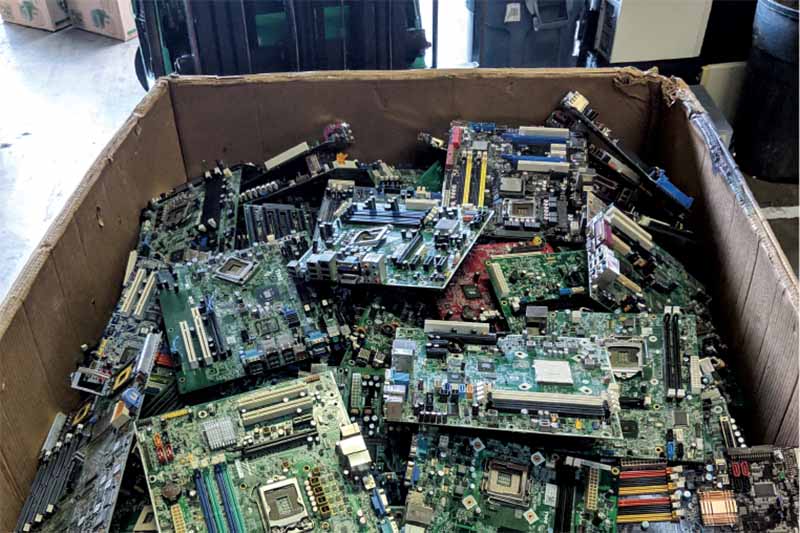
    Closeup of a printed circuitboard

    Hardware demand puts new focus on parts harvesting

    Rare look inside the world’s largest plastics recycler

    Mass balance matters: Why different rules can lead to different outcomes 

    Certification Scorecard — Week of June 1, 2026

    IT asset disposition and electronics recycling: Now and then

    $60 billion in AI servers will create an ITAD challenge

    The independent ITAD at a crossroads

    DMD acquires ITAD firm Lifespan, outlines acquisition strategy

  • Conferences
    • Resource Recycling Conference
    • Plastics Recycling Conference
    • E-Scrap: The Longevity Conference
    • Textiles Recovery Summit
  • Publications
    • E-Scrap News
    • Plastics Recycling Update
    • Policy Now
    • Resource Recycling
    • Other Topics
      • All Topics
      • Brand Owners
      • Critical Minerals
      • Glass
      • Grant Watch / RFPs
      • Markets
      • Organics
      • Packaging
      • Research
      • Technology
      • Textiles
Subscribe
No Result
View All Result
Resource Recycling
  • The Latest
  • Analysis
    • All
    • Certification Scorecard
    • Industry Announcements
    • Opinion
    Rainforest

    Inside the Circle: What the rainforest can teach us about EPR

    Closeup of a printed circuitboard

    Hardware demand puts new focus on parts harvesting

    Rare look inside the world’s largest plastics recycler

    Mass balance matters: Why different rules can lead to different outcomes 

    Certification Scorecard — Week of June 1, 2026

    IT asset disposition and electronics recycling: Now and then

    $60 billion in AI servers will create an ITAD challenge

    The independent ITAD at a crossroads

    DMD acquires ITAD firm Lifespan, outlines acquisition strategy

  • Conferences
    • Resource Recycling Conference
    • Plastics Recycling Conference
    • E-Scrap: The Longevity Conference
    • Textiles Recovery Summit
  • Publications
    • E-Scrap News
    • Plastics Recycling Update
    • Policy Now
    • Resource Recycling
    • Other Topics
      • All Topics
      • Brand Owners
      • Critical Minerals
      • Glass
      • Grant Watch / RFPs
      • Markets
      • Organics
      • Packaging
      • Research
      • Technology
      • Textiles
Subscribe
No Result
View All Result
Resource Recycling
No Result
View All Result
Home Plastics

Plastics recycling entities largely deemed ‘essential’

Colin StaubbyColin Staub
March 25, 2020
in Plastics
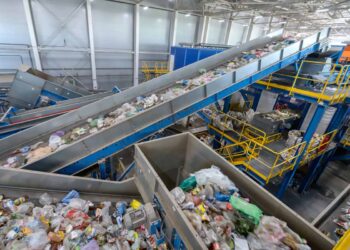
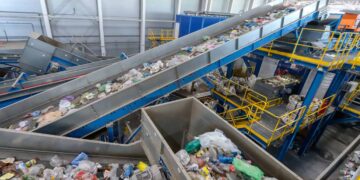
The federal government and states that have issued “stay-at-home” orders have decided recycling businesses are “essential.”  | youkatan/Shutterstock

In the states that have issued stay-at-home orders, companies engaged in recycling processing or plastic product manufacturing are not subject to forced shutdowns.

As states over the past week prepared to enact strict stay-at-home orders to help stem the spread of the novel coronavirus, the “essential” designation became a key talking point across many business sectors.

The Institute of Scrap Recycling Industries (ISRI) on March 18 penned a letter to Vice President Mike Pence, urging the federal government to consider the industry “essential.” Similar efforts came from the National Waste & Recycling Association (NWRA), Solid Waste Association of North America (SWANA) and others.

On March 19, the Cybersecurity & Infrastructure Security Agency (CISA), which is part of the Department of Homeland Security, published a list of essential infrastructure sectors, a designation that includes those providing “support to ensure the effective removal, storage, and disposal of residential and commercial solid waste and hazardous waste,” as well as “truck drivers who haul hazardous and waste materials to support critical infrastructure, capabilities, functions, and services.”

Meanwhile, numerous have enacted stay-at-home orders over the past week. Although structured differently, all so far allow for the continued operation of recycling services.

  • California included language from the federal guidance indicating the recycling sector is considered essential and will remain operational.
  • Connecticut specifically describes “trash and recycling collection, hauling, and processing” as “essential services.”
  • Delaware included waste collection, treatment and disposal as operations that can remain open.
  • Hawaii generally followed the federal guidelines and included “waste pickup and disposal” as an essential service.
  • In Illinois, the order includes “solid waste and recycling collection and removal” as an essential infrastructure service. Manufacturers whose products support the collection and disposal industry were also deemed “essential businesses.”
  • Indiana followed the federal guidance.
  • Louisiana followed the federal guidance.
  • Maine followed the federal guidance.
  • Maryland followed the federal guidance.
  • Massachusetts followed the federal guidance.
  • Michigan followed the federal guidance.
  • Nevada specified that “recycling services” as well as “solid waste collection and removal” are essential infrastructure operations.
  • New Mexico included “trash and recycling collection, processing and disposal” as essential services.
  • In New York, a list published by the state specifically listed for-profit and nonprofit “trash and recycling collection, processing and disposal” as essential services.
  • Ohio lists “solid waste and recycling collection and removal” as essential infrastructure.
  • Oregon does not specifically mention waste management and recycling, but the executive order does not prohibit those industries from operating.
  • Pennsylvania ordered “non-life-sustaining” businesses to cease physical operations for the time being. The state published a list designating which business can remain open. Waste collection, treatment, disposal, remediation and “other waste management services” were allowed to continue operating.
  • Vermont noted “trash collection and disposal, recycling” as essential operations.
  • Washington followed the federal guidance.
  • West Virginia identifies “solid waste and recycling collection and removal” as a component of essential infrastructure.
  • Wisconsin included “solid waste and recycling collection and removal” in its essential businesses list.

Processing and manufacturing

The federal guidance from CISA identifies “critical manufacturing” to include producers of materials and products needed for “supply chains associated with transportation, energy, communications, food and agriculture, chemical manufacturing” and other sectors.

More specific to packaging, the federal definition denotes as “essential” manufacturers of “single-use plastics, and packaging that prevents the contamination or supports the continued manufacture of food, water, medicine, and other essential products.”

California, Indiana, Louisiana, Maine, Maryland, Michigan, Ohio and Washington used this language in their orders.

Plastic product and resin manufacturers were specifically identified as being able to continue operating in Pennsylvania and Delaware.

Connecticut, Hawaii, New Mexico, New York, Vermont, West Virginia and Wisconsin allowed manufacturing related to food and beverage processing, chemicals and a variety of goods, although their lists did not specify plastic processing or product manufacturing directly. More general manufacturing operations were allowed in Illinois, Nevada and Oregon.

Under the federal guidance, a company’s customers play into the designation heavily. For example, Revolution, a plastics recycling and film manufacturing company, falls under the “essential” category in California in part because it is supplying the foodservice industry. And now, even more than usual, restaurants in California have a demand for plastic bags because they are largely limited to takeout and delivery service.

Because of that designation, Revolution’s two California facilities remain operational, the company told Plastics Recycling Update.

A version of this story appeared in Resource Recycling on March 24.

 

Tags: CollectionProcessors
TweetShare
Colin Staub

Colin Staub

Colin Staub was a reporter and associate editor at Resource Recycling until August 2025.

Related Posts

NYC, Mack Trucks unveil winning artwork

NYC, Mack Trucks unveil winning artwork

byAntoinette Smith
June 4, 2026

The five new hand-painted waste collection trucks feature themes of honor, resilience and care, and will operate in the city's...

Q1 containerboard exports drop by 19%

What SB 54 looks like from the packaging floor

byStefanie Valentic
June 1, 2026

With compliance deadlines coming on quickly, smaller companies are struggling to absorb changes and stay on the right side of...

Bottle bill backers see opportunity for action

PET collapse exposes gaps in US recycling infrastructure

byStefanie Valentic
May 15, 2026

Joaquin Mariel, Circular Services president, broke down why recycling infrastructure is so hard to scale and used PET's rapid market...

Surveys examine gaps in consumer recycling education

Study finds lack of proper battery disposal

byPaul Lane
May 13, 2026

The “Michigan 2025 Battery Gap Analysis” finds state residents are mismanaging discarded batteries.

Extruder pushes out natural HDPE pellets at KW Plastics in Troy, Alabama.

Rare look inside the world’s largest plastics recycler

byBrian Clark Howard
May 13, 2026

KW Plastics in Troy, Alabama is a leading recycler of PP and HDPE—here’s a glimpse behind the gates.

Canadian city walks back fee on paper coffee cups

Recycling access for paper cups hits 20% of US

byPaul Lane
May 11, 2026

This figure represents a quadrupling in the past decade, spurred by significant investment and action.

Load More
Next Post
Know Your E-Scrap Processor: Living Green Technology

Know Your E-Scrap Processor: Living Green Technology

More Posts

Recycling industry addresses Beyond Plastics report

Recycling industry addresses Beyond Plastics report

May 26, 2026
Machinex

Longview mill tragedy raises broader questions for fiber, recycling sectors

May 29, 2026
Fire at an EMR recycling facility in Camden, New Jersey May 29, 2026.

EMR faces shutdown calls after numerous fires

June 2, 2026
The independent ITAD at a crossroads

DMD acquires ITAD firm Lifespan, outlines acquisition strategy

June 2, 2026
IT asset disposition and electronics recycling: Now and then

$60 billion in AI servers will create an ITAD challenge

June 3, 2026
War, not demand driving polymer pricing

War, not demand driving polymer pricing

June 2, 2026
BASF, Encina expand circular feedstock partnership

BASF, Encina expand circular feedstock partnership

June 3, 2026
Our top stories from June 2021

Colorado advances EV battery EPR law

June 3, 2026
In My Opinion: Comparing the nation’s first packaging EPR laws

What Maine’s vape EPR law means for recyclers

June 4, 2026
California extends compostable labeling law

California bills crack down on false recycling, compostable claims

May 29, 2026
Load More

About & Publications

About Us

Staff

Archive

Magazine

Work With Us

Advertise
Jobs
Contact
Terms and Privacy

Newsletter

Get the latest recycling news and analysis delivered to your inbox every week. Stay ahead on industry trends, policy updates, and insights from programs, processors, and innovators.

Subscribe

Welcome Back!

Login to your account below

Forgotten Password?

Retrieve your password

Please enter your username or email address to reset your password.

Log In

Add New Playlist

No Result
View All Result
  • The Latest
  • Analysis
  • Recycling
  • E-Scrap
  • Plastics
  • Policy Now
  • Conferences
    • E-Scrap Conference
    • Plastics Recycling Conference
    • Resource Recycling Conference
    • Textiles Recovery Summit
  • Magazine
  • About Us
  • Advertise
  • Archive
  • Jobs
  • Staff
Subscribe
This website uses cookies. By continuing to use this website you are giving consent to cookies being used. Visit our Privacy and Cookie Policy.