Several manufacturers are partnering with the Closed Loop Partners’ Center for the Circular Economy to recover small-format plastics that have long escaped traditional recycling equipment. The group seeks possible solutions before California’s extended producer responsibility (EPR) law takes effect next year.
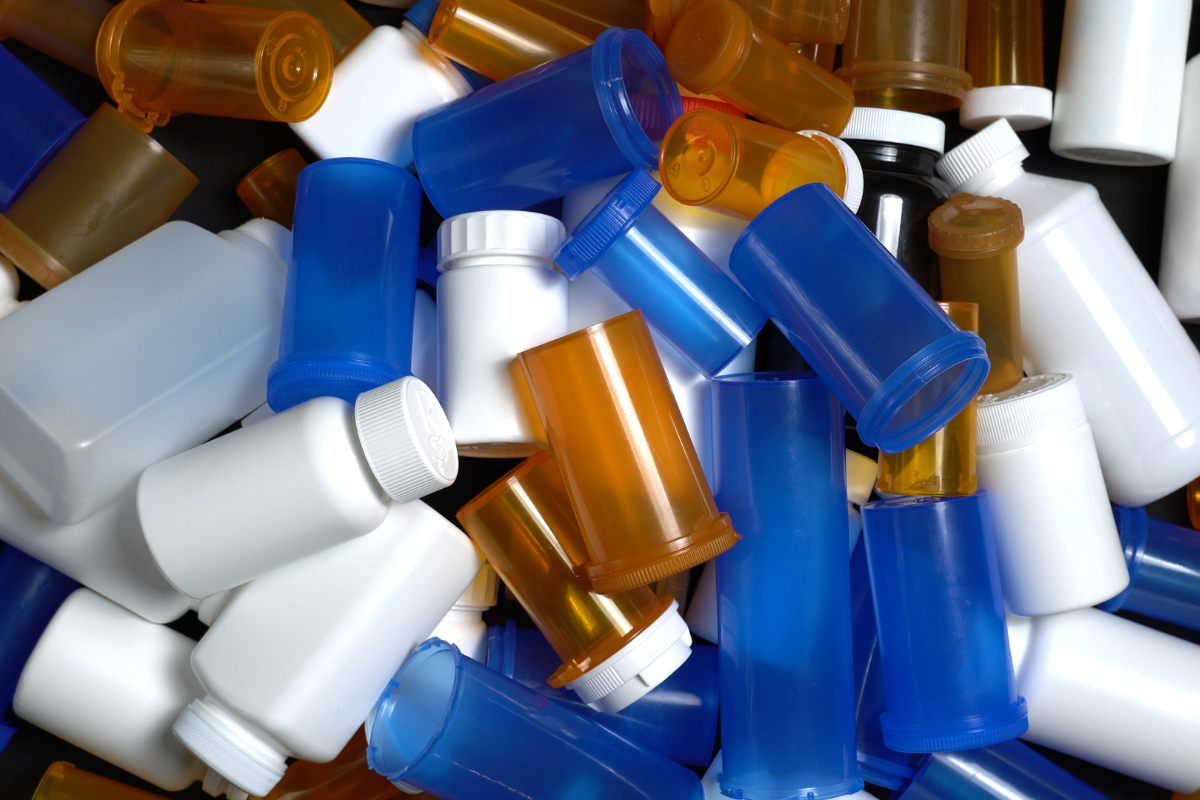
L’Oreal is serving as the founding partner of the Smalls Consortium, which is managed by Closed Loop. Working with supporting partners Kraft Heinz and CVS Health, and with the guidance of the Circular Action Alliance (CAA), the Smalls Consortium is preparing field testing of methods to capture bottle lids, makeup containers and other small plastic items that literally fall through the cracks at plastic recycling facilities.
The recycling industry has generally operated by the “credit card rule,” which dictates that items smaller than 2 inches-by-2 inches fall through sorting screens and end up in the trash.
To help correct that, the Smalls Consortium has partnered with Potential Industries, which operates four satellite facilities and a regional material recovery facility in southern California.
The initiative is meant to gather data on site diligence, material characterization studies, equipment assessment and end-market engagement to help design a scalable recovery solution. Among the project’s goals are to strengthen recycling infrastructure, ensure recovered materials can be reused and improve packaging design in partnership with brands and retailers.
“We know first-hand that sortation is necessary, but without consistent viable end markets paying reasonable scrap pricing to sell to, the system is not sustainable,” said Dan Domonoske, Potential Industries vice president. “That is why Closed Loop Partners’ approach … is so valuable. Together, we are looking at how to improve sortation while simultaneously supporting the reprocessing and end markets that pull these materials through the supply chain.”
The ultimate goal is to generate real-world information that can help shape small-format material recovery in states in which EPR laws are either in place or under consideration. California’s law, SB 54, takes effect Jan. 1, so hopes are to learn enough from this field test to begin drafting actionable solutions that can be used by manufacturers and other members of the value chain.
That’s where CAA comes in. That group has been charged with helping organize EPR efforts in California and several other states as the producer responsibility organization (PRO).
“By testing and learning together, we are building a shared understanding of what it takes to recover these materials at scale and where investments can have the greatest impact,” said Jeff Meyers, the CAA’s chief strategy officer.
The Smalls Consortium’s work began four years ago when it first explored the idea of recovering small plastic items. It claims tens of thousands of tons of small materials can be recovered, with this next phase focusing on putting that claim to the test.
“Small-format packaging has long fallen through the cracks of the recycling system — not because it lacks value, but because recovery requires coordination across the full system,” said Kate Daly, managing partner of Closed Loop Systems. “Our Smalls Consortium has built a deep understanding of the small-format packaging material system … and is now bringing stakeholders together in California to help build a system designed for long-term, real-world impact.”