












The US Environmental Protection Agency recently announced 17 communities would receive a combined $58 million in funding during the second round of funding under the Solid Waste Infrastructure for Recycling grant program.
Browse the slideshow or see below for details on some of the winning programs.
For the latest round in December 2025 of grants for political subdivisions, 307 local governments submitted applications requesting a total of about $1.072 billion in funding. Although the number of applicants is only slightly lower than during the first round, the total requested is higher by 28.5%.
In 2023, 311 local governments applied for approximately $834.4 million in funding. The 25 community SWIFR grants awarded in that round totaled about $72.9 million, representing 9% of the amount requested. This compares to about 5% of the amount requested during the second round. The 2023 round also provided $32 million for states and territories to improve planning, data collection and implementation for solid waste management programs.
In early 2025, EPA Administrator Lee Zeldin said he was planning cuts to grants and other programs to reduce agency spending by 65%. SWIFR grants are funded by the Bipartisan Infrastructure Law and total $275 million over fiscal years 2022-2026, to improve recycling of post-consumer materials, waste management, and environmental initiatives for states and territories, tribes, and local governments.





Program details
Details were available for the following grant recipients:
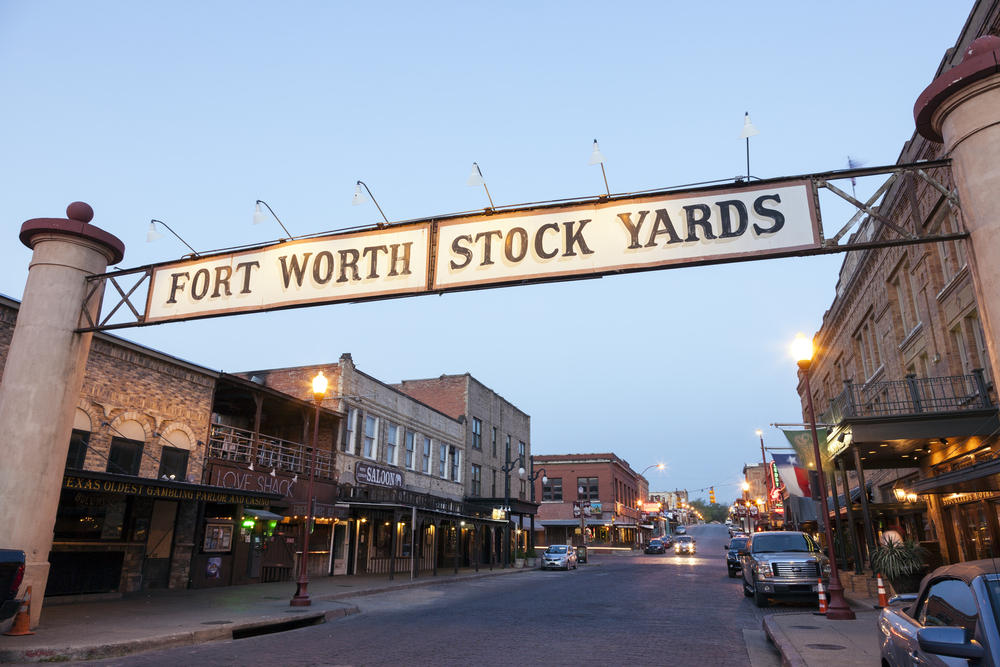
Fort Worth, Texas: $4.82 million for appliance, electronics reuse and recycling. The city will launch the Reuse Program and Recycling Enhancement Project, to collect appliances, building materials, furniture and electronics for reuse at drop-off locations.
Kansas City, Missouri: $5 million for organics. The city will purchase trucks and develop infrastructure for its organic waste collection and diversion program, and to improve its composting and food-rescue initiatives.
Delaware County, Pennsylvania: $5 million for organics, recycling capacity. The Philadelphia-area county will use the funds to build accessible recycling capacity and increase waste diversion through its Transfer Stations Reimagined – Composting and Expanded Recycling Services project.
Pittsburgh, Pennsylvania: $1.7 million for yard waste. The city will buy equipment, hire personnel and conduct public outreach to help increase frequency of yard waste collection.
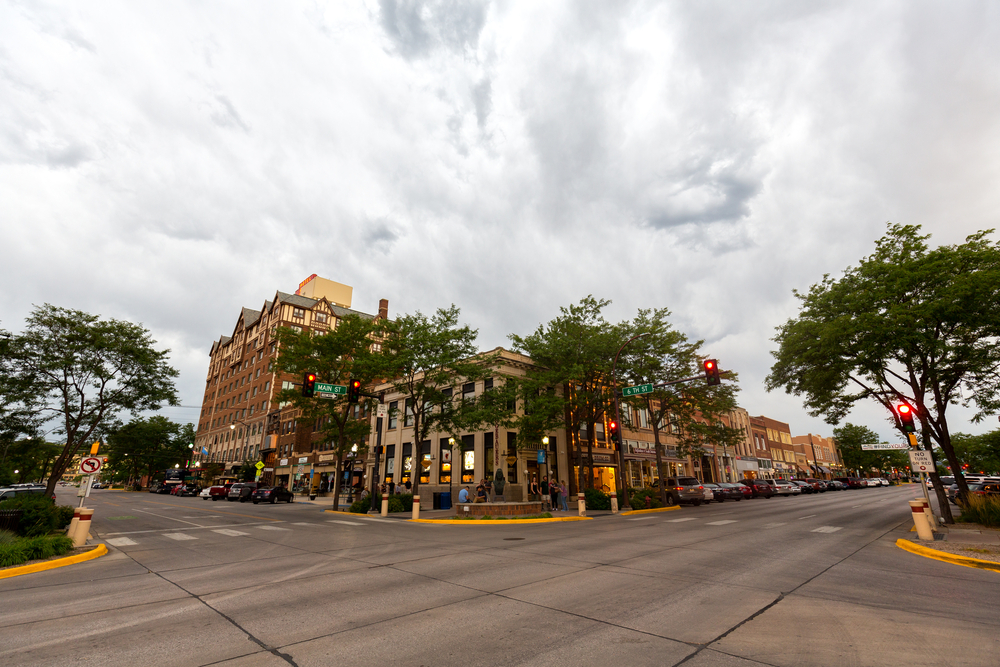
Rapid City, South Dakota: $4.9 million for commercial recycling. The city will open a new commercial recycling program and update equipment, to double recycling rates and improve the quality of collected materials.
Wasatch Integrated Waste Management District, Utah: $3.4 million for organics. Based in Layton and serving residents of Davis and Morgan counties, Wasatch will expand a compost facility, fund curbside organics collection receptacles and implement new education and outreach activities to increase public participation.
Shoreline, Washington: $4.5 million for reuse and repair. The city will establish the Shoreline Reuse Center, a site to co-locate building salvage, a tool library and community bike services, where residents can donate, repair and repurpose goods.
Unalaska DRIVE, Alaska: $3.8 million. The Developing Recycling Infrastructure and Vehicle End-of-life (DRIVE) program aims to process and remove abandoned vehicles, buy sorting equipment and storage units, and establish a public education program on recycling procedures and hazardous materials disposal.
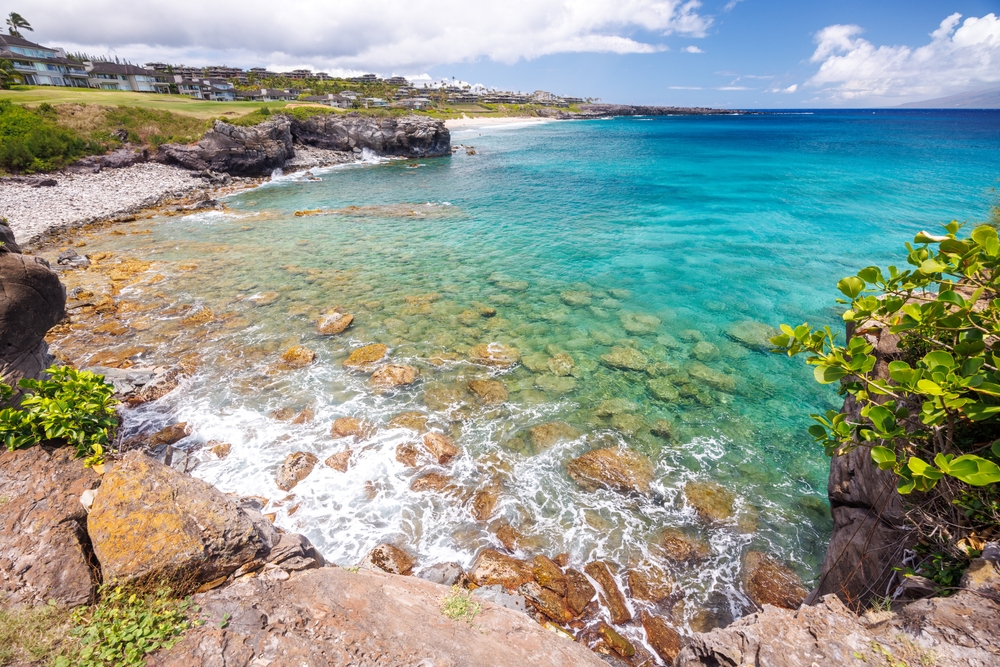
Maui County, Hawai’i: $3.6 million for recycling collection. The county will buy land to develop the first two waste collection centers on the west side of the island, to receive organics, recyclables and bulky items.
Other communities
- Town of Shrewsbury, Massachusetts, $2.7 million
- Municipality of Isabela, Puerto Rico, $5 million
- City of Geneva, New York, $2.4 million
- Metropolitan Government of Nashville & Davidson County, Tennessee, $2.4 million
- Rowan County Fiscal Court, Kentucky, $2.6 million
- City of Chicago, Illinois, $5 million
- City of Cincinnati, Ohio, $5 million
- Incorporated County of Los Alamos, New Mexico, $1.1 million