





Resource Recycling
  • The Latest
  • Analysis
    • All
    • Certification Scorecard
    • Industry Announcements
    • Opinion
    The electronics recycling industry is undergoing a transformation from labor-intensive manual operations to highly automated, AI-driven facilities that use advanced robotics, cleaner chemistry and digital tracking systems to extract critical materials.

    The cyber-physical MRF: AI and robotics reshape e-waste recovery

    Certification scorecard for the week of Feb. 9, 2026

    Meta-Corning deal signals IT hardware retirement wave

    Meta-Corning deal signals IT hardware retirement wave

    Malaysia clamps down on illegal e-waste imports amid probes

    Malaysia clamps down on illegal e-waste imports amid probes

    URT builds alliance to remake electronics plastics at scale

    ICYMI: Top 5 e-scrap stories from January 2026

    The electronics recycling industry is undergoing a transformation from labor-intensive manual operations to highly automated, AI-driven facilities that use advanced robotics, cleaner chemistry and digital tracking systems to extract critical materials.

    Certification scorecard for the week of Feb. 2, 2026

    Auditors warn EU may fall short on critical metals

    Auditors warn EU may fall short on critical metals

    Industry announcements for January 2026

    Industry announcements for February 2026

    ICYMI: Top 5 recycling stories from January 2026

  • Conferences
  • Publications

    Other Topics

    Textiles
    Organics
    Packaging
    Glass
    Brand Owners

    Metals
    Technology
    Research
    Markets
    Grant Watch

    All Topics

Subscribe
No Result
View All Result
Resource Recycling
  • The Latest
  • Analysis
    • All
    • Certification Scorecard
    • Industry Announcements
    • Opinion
    The electronics recycling industry is undergoing a transformation from labor-intensive manual operations to highly automated, AI-driven facilities that use advanced robotics, cleaner chemistry and digital tracking systems to extract critical materials.

    The cyber-physical MRF: AI and robotics reshape e-waste recovery

    Certification scorecard for the week of Feb. 9, 2026

    Meta-Corning deal signals IT hardware retirement wave

    Meta-Corning deal signals IT hardware retirement wave

    Malaysia clamps down on illegal e-waste imports amid probes

    Malaysia clamps down on illegal e-waste imports amid probes

    URT builds alliance to remake electronics plastics at scale

    ICYMI: Top 5 e-scrap stories from January 2026

    The electronics recycling industry is undergoing a transformation from labor-intensive manual operations to highly automated, AI-driven facilities that use advanced robotics, cleaner chemistry and digital tracking systems to extract critical materials.

    Certification scorecard for the week of Feb. 2, 2026

    Auditors warn EU may fall short on critical metals

    Auditors warn EU may fall short on critical metals

    Industry announcements for January 2026

    Industry announcements for February 2026

    ICYMI: Top 5 recycling stories from January 2026

  • Conferences
  • Publications

    Other Topics

    Textiles
    Organics
    Packaging
    Glass
    Brand Owners

    Metals
    Technology
    Research
    Markets
    Grant Watch

    All Topics

Subscribe
No Result
View All Result
Resource Recycling
No Result
View All Result
Home Recycling

MRF and collection fatalities increase, but rate drops

Colin StaubbyColin Staub
January 2, 2024
in Recycling
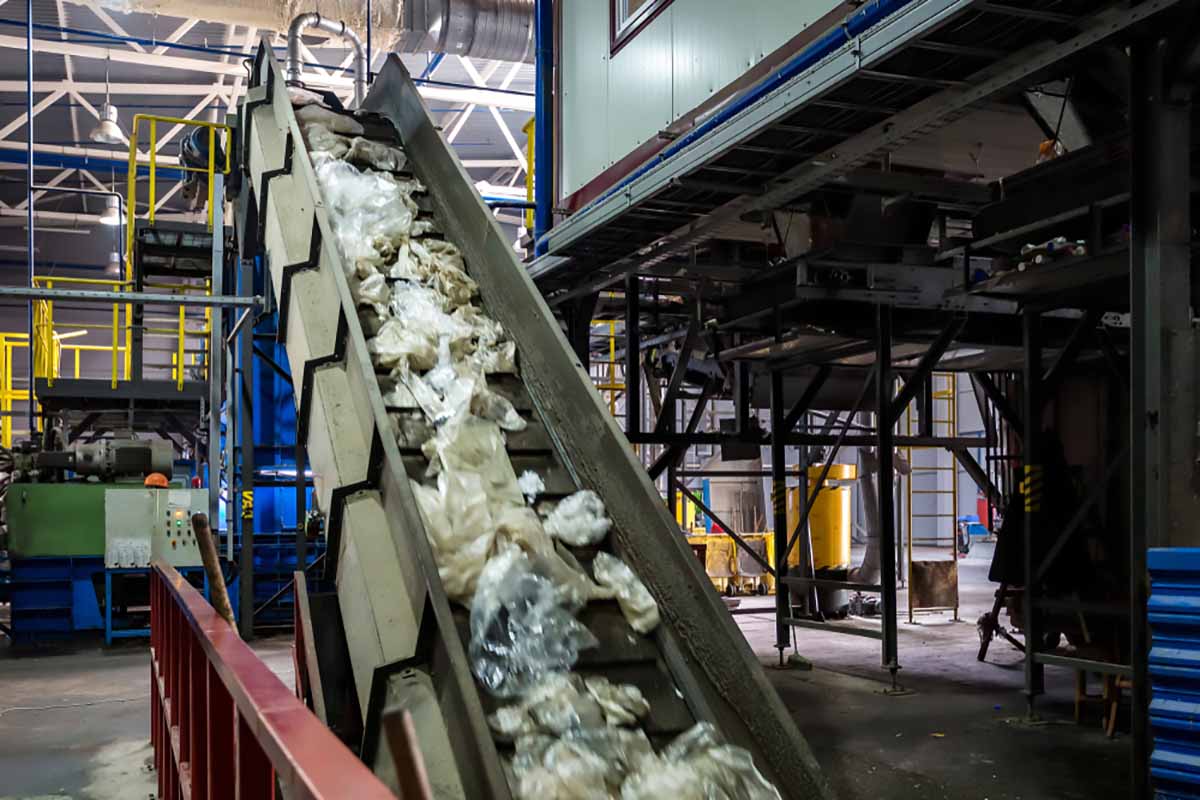
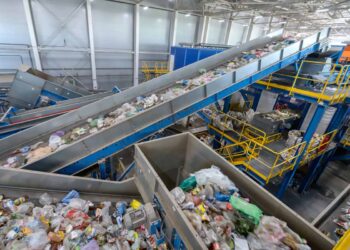
There were seven deaths in U.S. MRFs in 2022, up from four in 2021, according to the latest Bureau of Labor Statistics numbers. | Jantsarik/Shutterstock

The number of worker fatalities in the recycling industry – both inside materials recovery facilities (MRFs) and in collection – increased in 2022, even as the rate of on-the-job collection worker deaths decreased.

The Bureau of Labor Statistics (BLS) on Dec. 19 published its annual Census of Fatal Occupational Injuries, detailing the rate and number of workplace deaths across all industries in 2022. Last year, 37 solid waste collection workers died on the job, up from 34 a year earlier. Of the 37, 31 were in the private sector and six were in the public sector. Nineteen of the fatalities resulted from “transportation incidents,” up from 17 the prior year.

There were seven deaths in U.S. MRFs in 2022, up from four in 2021. Five of the deaths in 2022 occurred in private sector MRFs, according to the BLS data.

Although solid waste collection deaths increased year-over-year, the overall rate of on-the-job deaths among what BLS identifies as “refuse and recyclable material collectors” decreased significantly. It dropped from 27.9 fatalities per 100,000 full-time workers in 2021 to 22.6 in 2022. That continued a multi-year decrease, with the collector fatality rate reported as 33.1 in 2020, 35.2 in 2019, and a recent high of 44.3 in 2018.

The significant collector fatality rate decrease since 2018 was driven both by the collection sector expanding (hours worked in the industry increased from 167 million in 2018 to 200 million in 2022, a 20% increase), and the number of fatalities decreasing (dropping from 57 in 2018 to 37 in 2022, a 35% decrease).

In a statement, the National Waste & Recycling Association (NWRA) noted the multi-year decrease in the collection worker death rate came at the same time the overall fatality rate across all industries has increased. Still, NWRA also pointed out waste collection remains the seventh deadliest industry in the U.S.
Tags: Data
TweetShare
Colin Staub

Colin Staub

Colin Staub was a reporter and associate editor at Resource Recycling until August 2025.

Related Posts

IT security driving plans, reshaping budgets

IT security driving plans, reshaping budgets

byScott Snowden
January 23, 2026

Sage’s 2026 benchmarking report finds data security dominating ITAD decisions as laptop cycles shorten, server resale values surge and more...

Server resale values surge in AI-driven markets

Server resale values surge in AI-driven markets

byDavid Daoud
January 22, 2026

Server resale values jumped sharply in 2025 as AI infrastructure demand tightened supply, reshaping secondary IT markets and boosting returns...

Greyparrot positions waste intel as key to effective EPR

Greyparrot positions waste intel as key to effective EPR

byAntoinette Smith
January 9, 2026

Company co-founder Rish Mitra says data collected from a growing number of MRFs globally can help fine-tune emerging EPR policy...

January fire data drives shift in recycling safety

byScott Snowden
January 6, 2026

A new industry guide addresses rising lithium-ion battery fires at recycling facilities as data shows a record 448 reported incidents...

plastic bale

NAPCOR finds RPET imports hit record in 2024

byAntoinette Smith
December 11, 2025

Despite gains for thermoforms and other materials, bottle recovery rates and RPET consumption eased from 2023 highs amid abundant imported...

EU to drive global demand for recycled plastics

EU to drive global demand for recycled plastics

byAntoinette Smith
November 4, 2025

A new study from commodity intelligence firm ICIS and a Chinese industry association explores the impacts of European regulations on...

Load More
Next Post

Closed Loop invests in aluminum-hydrogen tech

More Posts

Oregon’s Recycling Modernization Act faces injunction

Court partially blocks Oregon EPR law, dismisses bulk of lawsuit

February 10, 2026
Chinese processing group details goals for US visit

AMP lays out vision of next-generation, AI-driven MRFs

July 24, 2024
Malaysia clamps down on illegal e-waste imports amid probes

Malaysia clamps down on illegal e-waste imports amid probes

February 6, 2026

REUSE Act heads to US House for consideration

February 9, 2026
Meta-Corning deal signals IT hardware retirement wave

Meta-Corning deal signals IT hardware retirement wave

February 9, 2026

ecoATM recycled 7.5M phones in 2025 as payouts hit $1.5B

February 10, 2026
Texas sues over dumped wind turbine blades

Texas sues over dumped wind turbine blades

February 10, 2026

Alpek talks PET overcapacity, soft demand

February 11, 2026

APR, industry create proactive guidance for PET caps

February 12, 2026
The electronics recycling industry is undergoing a transformation from labor-intensive manual operations to highly automated, AI-driven facilities that use advanced robotics, cleaner chemistry and digital tracking systems to extract critical materials.

The cyber-physical MRF: AI and robotics reshape e-waste recovery

February 12, 2026
Load More

About & Publications

About Us

Staff

Archive

Magazine

Work With Us

Advertise
Jobs
Contact
Terms and Privacy

Newsletter

Get the latest recycling news and analysis delivered to your inbox every week. Stay ahead on industry trends, policy updates, and insights from programs, processors, and innovators.

Subscribe

Welcome Back!

Login to your account below

Forgotten Password?

Retrieve your password

Please enter your username or email address to reset your password.

Log In

Add New Playlist

No Result
View All Result
  • The Latest
  • Analysis
  • Recycling
  • E-Scrap
  • Plastics
  • Policy Now
  • Conferences
    • E-Scrap Conference
    • Plastics Recycling Conference
    • Resource Recycling Conference
    • Textiles Recovery Summit
  • Magazine
  • About Us
  • Advertise
  • Archive
  • Jobs
  • Staff
Subscribe
This website uses cookies. By continuing to use this website you are giving consent to cookies being used. Visit our Privacy and Cookie Policy.