


Just days before the end of the legislative session, lengthy amendments were tacked on to California bottle bill expansion legislation, greatly increasing the cost of the program. In response, some previous backers rescinded their support.
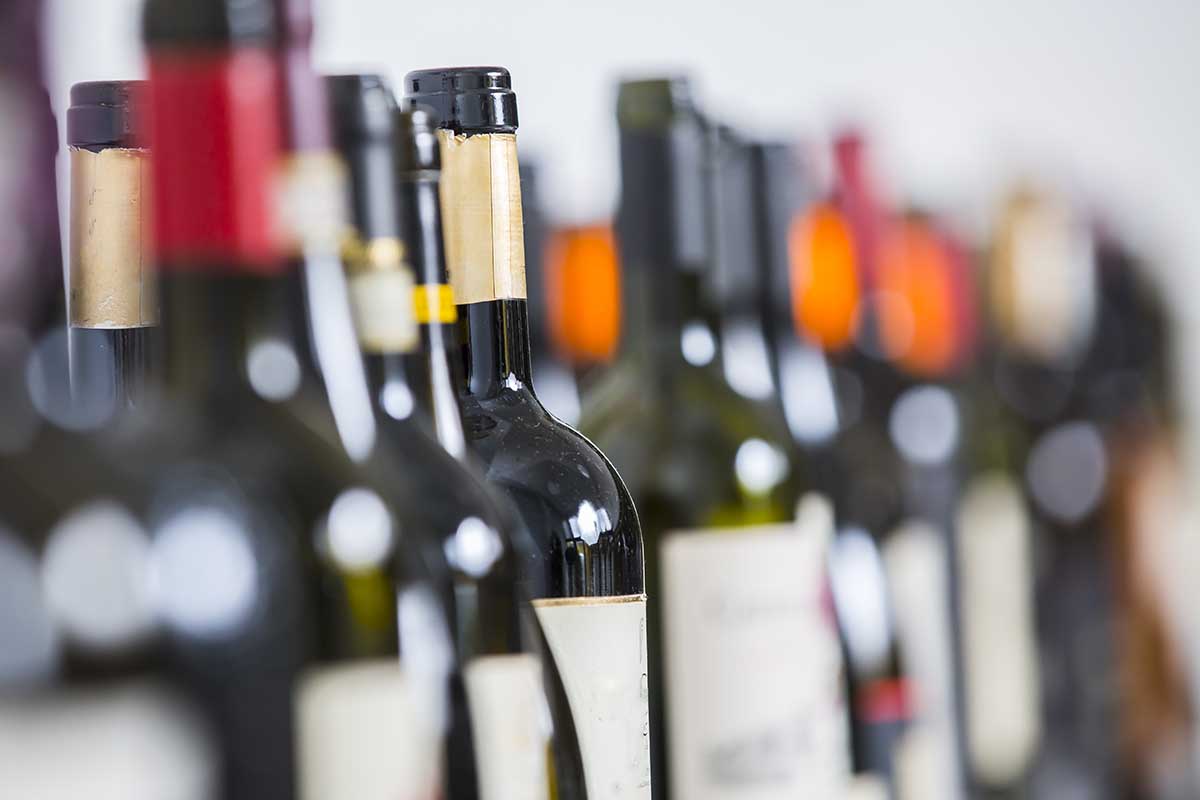
Senate Bill 1013 has been focused on adding wine and distilled spirits to the state’s container redemption program, which currently includes beer, wine coolers, soda, water, coffee and tea beverages, fruit juices and more. The Senate on May 25 voted 39-0 to approve the bill, which went to the state Assembly.
On Aug. 25, it was amended, ballooning from five pages to over 50. The additions include market development initiatives and processing infrastructure improvements for recovered glass. The amended bill also adds several grant programs and removes the option for retailers to choose to pay a $100 daily fee instead of accepting returned containers, requiring them to either accept the containers or join a dealer cooperative.
The Container Recycling Institute (CRI), which is based in California and advocates for bottle bills, estimates the various elements in the amended legislation will bring between $160 million and $201 million in additional cost to the program annually. The earlier version of the bill was expected to bring between $27 million and $47 million in additional annual cost, CRI had calculated.
Consumer Watchdog, a nonprofit group based in California that has been vocal about reforming the state’s deposit system, said the amended bill is “loaded with pork for major corporations that don’t need it.”
The last day of the state’s legislative session is Aug. 31. In California, amendments to bills need to be in print three days prior to voting, meaning no further amendments can be made to SB 1013 this session.
“Stealing money from consumers will come at the expense of the program that could be bankrupted in a matter of a few years,” wrote Liza Tucker, a Consumer Watchdog staffer. “This money would be better spent developing greater points of access for consumers and more redemption opportunities. The fact that this bill was written behind closed doors and put in print when there was no time for amendment speaks volumes about its intent.”
Perspectives at hearing
At an Aug. 29 Assembly Natural Resources Committee hearing, several people spoke in favor of the amended bill.
Mark Murray, executive director of Californians Against Waste, said he supported the bill’s market development incentives and its spending to improve infrastructure.
Susan Collins, president of the Container Recycling Institute (CRI), spoke as a “betweener” after withdrawing CRI’s full support of the bill over the amendments.
She said she is “very much in support of the environmental provisions in this bill,” but with the estimated $900 million in new spending over the course of six years now proposed in SB 1013, it will “break the bank.”
In a July 25 cost analysis on the original bill, CRI found it would cost between $27 million to $47 million annually for the expansion, depending on revenue.
“When fully implemented, and assuming full compliance by beverage distributors, this expansion will cost the beverage container fund (and related accounts) approximately $27 million per year,” the cost analysis estimated. “First year and second year costs may be lower, as residents learn to redeem these new containers. On the other hand, if there is less than full compliance by beverage distributors, the program may receive reduced revenue, estimated at $20 million per year, for a total cost of $47 million per year.”
Now, CRI is estimating the amended bill will cost $887 million over a six-year period, with all the additional payments and programs in it. The state’s Beverage Container Recycling Program fund balance is currently around $635 million, so Collins said the new bill risks bankrupting the program entirely.
Added spending in the bill
The amended bill creates a market development payment to glass beverage container manufacturers that could total up to $60 million dollars annually until Jan. 1, 2028, subject to the availability of funds.
Up to $15 million annually in quality incentive payments for empty glass beverage containers, up to $60 per ton, is included as well.
The amended bill would also create several grant programs at $9 million per year: The Recycled Glass Processing Incentive Grant Program, the Increased Recycling of Empty Glass Beverage Containers Grant Program and the Empty Glass Beverage Transportation Grant Program.
The first program will be allocated up to $4 million annually, through 2027, to expand glass cullet processing facilities. The Increased Recycling of Empty Glass Beverage Containers Grant will also be allocated up to $4 million annually through 2027 for regional pilot programs that furnish bins for collection of empty glass beverage containers or for transportation. The Empty Glass Beverage Transportation Grant Program is allocated $1 million annually through 2027 to “facilitate the use of rail transportation of empty glass beverage containers to glass processing facilities within the state.”
In addition, the amended bill allocates $15 million annually to curbside programs and neighborhood drop-off programs; $10.5 million annually in payments of $5,000 to cities and $10,000 to counties for beverage container recycling and litter cleanup activities; $1.5 million annually in grants for beverage container recycling and litter reduction programs; $10 million dollars to the community conservation corps for beverage container litter reduction programs and recycling programs; and up to $5 million annually for a statewide public education and information campaign.
Also under the new bill, until June 30, 2025, the California Department of Resources Recycling and Recovery (CalRecycle) can approve up to 10 recycling pilot projects that improve redemption opportunities in unserved convenience zones, spending up to $5 million.
“It is the intent of the Legislature to create new, convenient recycling opportunities to improve consumer redemption of eligible beverage containers and increase recycling rates in jurisdictions served by pilot projects and to provide recycling opportunities to improve consumer redemption of eligible containers in pilot project areas, including in rural areas,” the bill text states.
Dealer cooperatives and other changes
The amended bill includes other changes to the current law. It would change the size of the convenience zone to within a one-mile radius of a supermarket, up from half a mile, and in rural areas the size would be a 5-mile radius, up from three miles.
A convenience zone is the area around a beverage retailer. If a certified recycling center exists within a convenience zone, beverage retailers in the zone are not required to accept containers. If there is not a certified recycling center, beverage retailers either have to redeem beverage containers or pay a $100 per day fee.
However, the option for retailers to choose to pay the $100 daily fee instead of accepting containers is also removed in the amended bill. As of Jan. 1, 2025, retailers would either have to accept containers or join a dealer cooperative.
The dealer cooperative, outlined in the amended version, is similar to a producer responsibility organization. They would be required to submit a dealer cooperative redemption plan to collectively provide redemption in that convenience zone.
Once part of the dealer cooperative, retailers could get reimbursement by the state for handling fees, processing payments and administrative fees. Under current law, only redemption centers are eligible for that reimbursement.
The amended bill would also decrease the percentage of total retailers that can be granted a state exemption. Currently, up to 35% of state retailers can be granted an exemption and neither accept containers nor pay the daily fee. The amended bill lowers that threshold to 15%. Requirements for exemption are not changed under the proposed bill.
Civil penalties are higher in the amended version of the bill. Most penalties were increased from $1,000 to $5,000.
There are also minimum PCR requirements added to the bill for plastic beverage containers that follow previous legislation signed in 2020. The amended text requires 15% PCR through 2024, rising to 25% between Jan. 1, 2025 and Dec. 31, 2029 and no less than 50% after Jan. 1, 2030.
Wine and distilled spirits in a box, bladder, pouch or similar container would get an additional two years to comply with each of those deadlines, according to the bill text.
The bill would also set the redemption payment and refund value of beverage containers that are a box, bladder, pouch or similar container, containing wine or distilled spirits, at 25 cents.
Finally, the amended bill adds an extra year to the date of implementation. The original bill set the expansion to go live as of Jan. 1, 2023. The amended bill would take effect Jan. 1, 2024.