

Resource Recycling
  • The Latest
  • Analysis
    • All
    • Certification Scorecard
    • Industry Announcements
    • Opinion

    Certification scorecard for week of Jan. 26, 2026

    New entrepreneurs bring renewed energy to e-cycling

    Europe pulls ahead on ITAD now while US growth remains slower

    Recyclers are facing unprecedented changes

    Leveraging materials testing for procurement efficiency

    Server resale values surge in AI-driven markets

    Certification scorecard for week of Jan. 19, 2026

    From CES to the shredder: What 2026 PCs mean for ITAD

    Server resale values surge in AI-driven markets

    Certification scorecard for week of Jan. 12, 2026

    Industry announcements for January 2026

    Industry announcements for January 2026

    Certification scorecard for Dec. 18-30, 2025

  • Conferences
  • Publications

    Other Topics

    Textiles
    Organics
    Packaging
    Glass
    Brand Owners

    Metals
    Technology
    Research
    Markets
    Grant Watch

    All Topics

Subscribe
No Result
View All Result
Resource Recycling
  • The Latest
  • Analysis
    • All
    • Certification Scorecard
    • Industry Announcements
    • Opinion

    Certification scorecard for week of Jan. 26, 2026

    New entrepreneurs bring renewed energy to e-cycling

    Europe pulls ahead on ITAD now while US growth remains slower

    Recyclers are facing unprecedented changes

    Leveraging materials testing for procurement efficiency

    Server resale values surge in AI-driven markets

    Certification scorecard for week of Jan. 19, 2026

    From CES to the shredder: What 2026 PCs mean for ITAD

    Server resale values surge in AI-driven markets

    Certification scorecard for week of Jan. 12, 2026

    Industry announcements for January 2026

    Industry announcements for January 2026

    Certification scorecard for Dec. 18-30, 2025

  • Conferences
  • Publications

    Other Topics

    Textiles
    Organics
    Packaging
    Glass
    Brand Owners

    Metals
    Technology
    Research
    Markets
    Grant Watch

    All Topics

Subscribe
No Result
View All Result
Resource Recycling
No Result
View All Result
Home Recycling

Oregon Truth-in-Labeling Task Force submits final report

Marissa HeffernanbyMarissa Heffernan
June 7, 2022
in Recycling
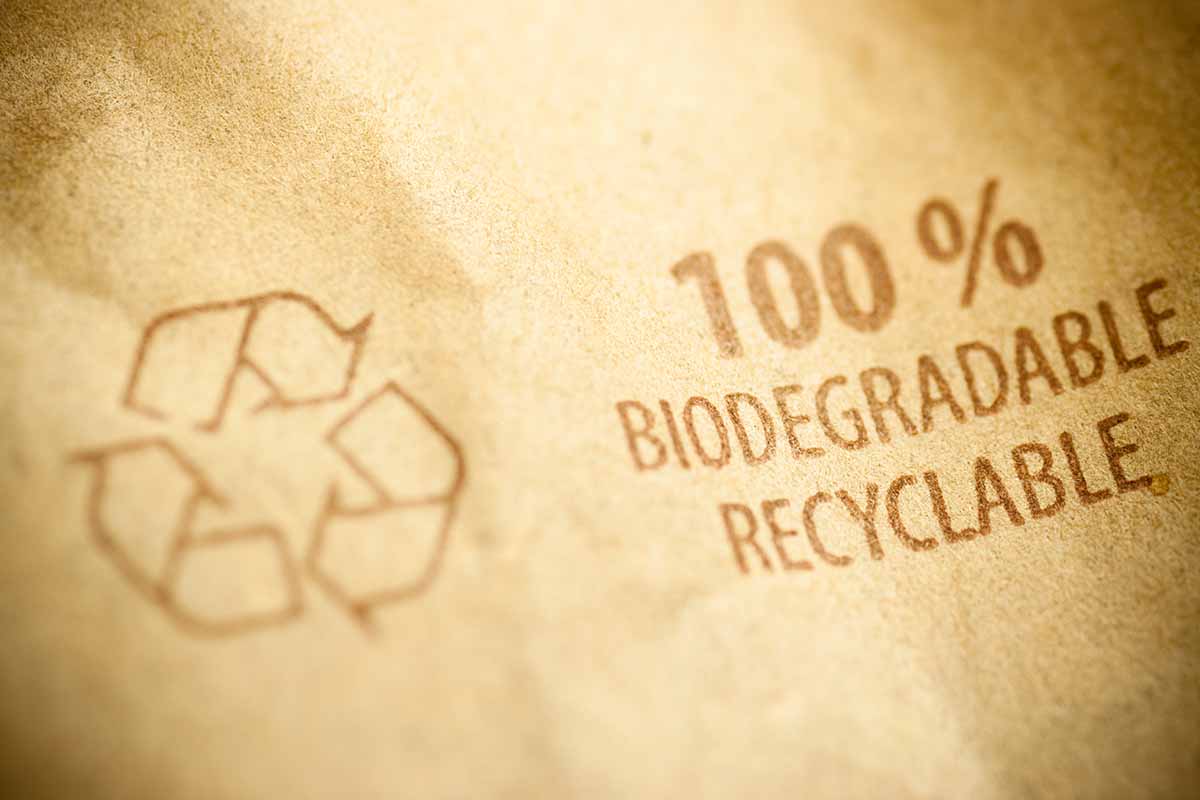
A task force in Oregon has set recommendations for recyclability labeling for consumer packaged goods. | Olivier Le Moal/Shutterstock

After nine meetings over five months, the Oregon Truth-in-Labeling Task Force has submitted its final report and recommendations to the state legislature.

Broadly, the report recommends a mandated consumer-facing recyclability labeling system with an eye to accessibility. It also urges giving enough time for producers to prepare for changes in rules.

The task force was formed after the Oregon Legislature in 2021 passed Senate Bill 582, the Plastic Pollution and Recycling Modernization Act. The task force was directed to evaluate misleading or confusing recyclability claims on products or packaging.

“Public confusion about what and how to recycle has been one of several root drivers of instability in Oregon’s recycling system,” the report said. “That confusion stems in part from misleading and confusing labels.”

Along with making recommendations to the Oregon Legislature, the report made two recommendations to producer responsibility organizations (PROs), even though those are outside the legislative mandate. The recommendations are that PROs run statewide advertising campaigns to teach Oregonians about label changes and that they use eco-modulation in their membership fees to support recycling labeling best practices.

“Preferred or standardized labeling practice equals a lower fee,” the report suggested. “Poor labeling practices equals a higher fee.”

A slew of recommendations for lawmakers

First, the task force created a new definition of a recyclability claim: If the item is labeled “recyclable,” or any other like term; if it has a symbol such as the chasing arrows symbol; or if it otherwise directs a consumer to recycle the consumer good.

“Any claim includes but is not limited to the resin identification code surrounded by chasing arrows,” the definition said. “It would not include a RIC that adheres to the ASTM standard for the RIC, which does not include chasing arrows surrounding the resin code, instead having the resin code being surrounded by a solid equilateral triangle.”

Under the law, regulators will craft lists of accepted materials, a process they’ve already started. The Truth-in-Labeling Task Force suggested that any items on the statewide local government collection list, as well as beverage containers covered by the bottle bill, should be allowed to have a recyclability claim. But all claims would need to follow the same standards for language and have any needed instructions concerning if its drop-off recycling only.

For all items not on a recycling list, recyclability claims are prohibited, but they could carry a “do not recycle” symbol consisting of a recycling symbol with a slash through it.

The report also recommends a mandated embedded consumer-facing recyclability smart labeling system, allowing five years for compliance starting on July 1, 2025, when PRO plans are supposed to start; that the Oregon Department of Environmental Quality (DEQ) coordinate with other West Coast states to develop recycling acceptance lists; and that the state support labeling improvements at the federal level that align with Oregon’s.

Another recommendation is to have the DEQ review all enforceable federal statutory or regulatory recyclability labeling against state criteria within 180 days of implementation at the federal level. The task force recommended allowing the DEQ to adopt federal criteria if the legislature agrees.

As far as enforcement, the task force recommended giving the DEQ the same civil penalty authority it will have when enforcing product stewardship laws.

Barriers to recycling

The task force also looked at what issues diverse audiences face with recycling labeling.

“Many members expressed personal struggles when using recycling labeling,” the report said. “In addition to anecdotal evidence, the task force reviewed other governmental and relevant research on accessibility guidance.”

Barriers the report identified include the use of symbols that people of different backgrounds may not all understand, the size of images and font, lack of access to technology for smart labeling, colors that color blind people can’t differentiate between, and the use of abbreviations, acronyms or terms that people with limited literacy may struggle with.

To make text accessible, the task force recommended setting it off in a box by use of hairlines, having it be all black or in one-color type, printed on a white or other neutral contrasting backgrounds and that the font size should be at least 8-point, with 1-point of leading and footnotes no smaller than 6-point.

“Accurate labeling regarding claims of recyclability are helpful in ensuring proper consumer participation in the recycling system and ultimately in achieving the environmental benefits that come with recycling materials,” the report said. “It is the hope of the task force that producers of recyclable materials in Oregon continue to label them as such following the recommendations laid out in this report.”

 

Tags: EPRLegislationPolicy Now
TweetShare
Marissa Heffernan

Marissa Heffernan

Marissa Heffernan worked at Resource Recycling from January 2022 through June 2025, first as staff reporter and then as associate editor. Marissa Heffernan started working for Resource Recycling in January 2022 after spending several years as a reporter at a daily newspaper in Southwest Washington. After developing a special focus on recycling policy, they were also the editor of the monthly newsletter Policy Now.

Related Posts

Emerging state EPR shows trend toward harmonization

Emerging state EPR shows trend toward harmonization

byAntoinette Smith
January 29, 2026

During an APR webinar, recycling policy experts explored the growing list of EPR bills for packaging, and the implications for...

New brand-led recycling group looks to work with Congress

New brand-led recycling group looks to work with Congress

byAntoinette Smith
January 20, 2026

Led by the Consumer Brands Association, the Recycling Leadership Council includes several recycling, packaging, manufacturing and consumer product groups.

Colorado expands repair rights as electronics rules take effect

Colorado expands repair rights as electronics rules take effect

byScott Snowden
January 19, 2026

A new Colorado law expanding consumers’ right to repair electronic devices took effect this month, requiring manufacturers to provide access...

EU contributes €6 million toward textile DRS pilot

byAntoinette Smith
January 16, 2026

The TexMat pilot project will test a deposit return system featuring automated textile collection bins to accompany the rollout of...

New Jersey passes bill on single-use service items

byAntoinette Smith
January 14, 2026

The New Jersey Legislature has passed a bill that would limit restaurant owners from distributing plastic serviceware, and is headed...

CalRecycle withdraws proposed regs for SB 54

CalRecycle withdraws proposed regs for SB 54

byAntoinette Smith
January 12, 2026

In a late afternoon email on Jan. 9, the state's resource and recycling agency abruptly withdrew proposed regulations for the...

Load More
Next Post

Collaboration opens commercial glass recycling in Chicagoland

More Posts

Alpek closing Pennsylvania RPET plant

Alpek closing Pennsylvania RPET plant

January 22, 2026

International Paper creates two new, separate entities

January 29, 2026

Producers settle with California AG over plastic bag claims

January 26, 2026
Chinese processing group details goals for US visit

AMP lays out vision of next-generation, AI-driven MRFs

July 24, 2024

Blue Whale scales up battery recycling in OK

January 26, 2026

Recyclers are facing unprecedented changes

January 27, 2026
Women in Circularity: Tara Button

Women in Circularity: Tara Button

January 26, 2026
CalRecycle withdraws proposed regs for SB 54

CalRecycle withdraws proposed regs for SB 54

January 12, 2026
New entrepreneurs bring renewed energy to e-cycling

Europe pulls ahead on ITAD now while US growth remains slower

January 28, 2026

VW investing millions in auto recycling in Germany

January 28, 2026
Load More

About & Publications

About Us

Staff

Archive

Magazine

Work With Us

Advertise
Jobs
Contact
Terms and Privacy

Newsletter

Get the latest recycling news and analysis delivered to your inbox every week. Stay ahead on industry trends, policy updates, and insights from programs, processors, and innovators.

Subscribe

Welcome Back!

Login to your account below

Forgotten Password?

Retrieve your password

Please enter your username or email address to reset your password.

Log In

Add New Playlist

No Result
View All Result
  • The Latest
  • Analysis
  • Recycling
  • E-Scrap
  • Plastics
  • Policy Now
  • Conferences
    • E-Scrap Conference
    • Plastics Recycling Conference
    • Resource Recycling Conference
    • Textiles Recovery Summit
  • Magazine
  • About Us
  • Advertise
  • Archive
  • Jobs
  • Staff
Subscribe
This website uses cookies. By continuing to use this website you are giving consent to cookies being used. Visit our Privacy and Cookie Policy.