




Resource Recycling
  • The Latest
  • Analysis
    • All
    • Certification Scorecard
    • Industry Announcements
    • Opinion

    Closed Loop Partners acquires Sutter Metals, connecting electronics disposition to metals recovery

    Certification Scorecard — Week of March 30, 2026

    Industry announcements for January 2026

    Industry announcements for April 2026

    Certification scorecard – Week of March 23, 2026

    Certification Scorecard – Week of March 16, 2026

    Groups identify recovered plastics users in the Northeast

    Bale pricing for recycled plastics diverges

    Why global ITAD is stranded in the Gulf

    Why global ITAD is stranded in the Gulf

    Certification scorecard for the week of March 9, 2026

    Diversion Dynamics: Secondhand exports slow down fast fashion

  • Conferences
  • Publications

    Other Topics

    Textiles
    Organics
    Packaging
    Glass
    Brand Owners

    Metals
    Technology
    Research
    Markets
    Grant Watch

    All Topics

Subscribe
No Result
View All Result
Resource Recycling
  • The Latest
  • Analysis
    • All
    • Certification Scorecard
    • Industry Announcements
    • Opinion

    Closed Loop Partners acquires Sutter Metals, connecting electronics disposition to metals recovery

    Certification Scorecard — Week of March 30, 2026

    Industry announcements for January 2026

    Industry announcements for April 2026

    Certification scorecard – Week of March 23, 2026

    Certification Scorecard – Week of March 16, 2026

    Groups identify recovered plastics users in the Northeast

    Bale pricing for recycled plastics diverges

    Why global ITAD is stranded in the Gulf

    Why global ITAD is stranded in the Gulf

    Certification scorecard for the week of March 9, 2026

    Diversion Dynamics: Secondhand exports slow down fast fashion

  • Conferences
  • Publications

    Other Topics

    Textiles
    Organics
    Packaging
    Glass
    Brand Owners

    Metals
    Technology
    Research
    Markets
    Grant Watch

    All Topics

Subscribe
No Result
View All Result
Resource Recycling
No Result
View All Result
Home Recycling

Q&A: How ideologies color our recycling conversations

byJared Paben
September 6, 2017
in Recycling
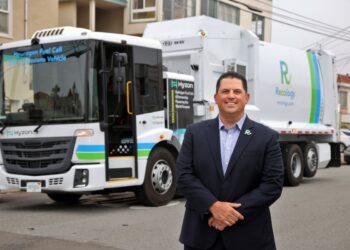
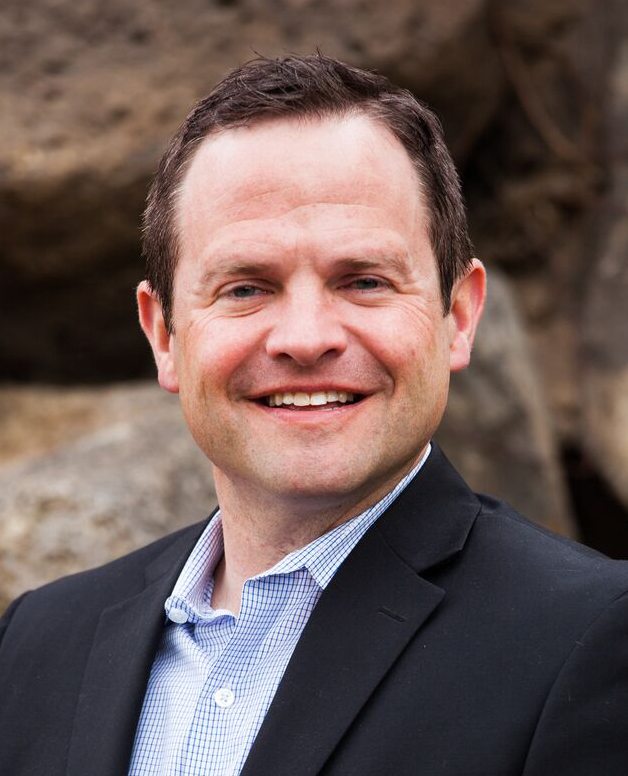
Jeff Eager

Recycling decisions tend to be made on the local level by nonpartisan leaders, but national politics – and fundamental ideological differences – still shape the dialogue. A recent study of local government agendas showed stark differences between left-leaning and right-leaning communities when it comes to action around materials diversion.

“It was interesting that one (blue) California city referenced its diversion rate as part of stating its opposition to President Trump withdrawing the U.S. from the Paris Climate Accord,” said Jeff Eager, founder and CEO of Waste Alert. “That’s a stance that the Wyoming and Idaho cities in our sample just wouldn’t take, for a number of reasons.”

Eager’s company works on behalf of clients to monitor and track waste- and recycling-related items at city and county government meetings. During the second quarter of this year, Waste Alert reviewed 2,275 agendas and minutes from communities in 16 states. Its report on the quarter noted that 25 percent of those meetings addressed waste and recycling in some way.

But Eager, a lawyer specializing in solid waste and recycling franchise issues and the former mayor of Bend, Ore., also noticed clear differences between red-leaning areas versus blue-leaning ones.

Resource Recycling asked Eager to talk a little more about his findings:

Did you find that red or blue areas tended to discuss recycling and solid waste issue more than the other overall?

Generally speaking, blue areas tend to discuss recycling and solid waste issues more frequently. There is a baseline of discussions and actions related to contract or franchise renewals, approval of rate changes, budgets including solid waste or recycling components, that is pretty standard regardless of the political leanings of the community. Some blue jurisdictions add to that baseline discussions of increasing diversion, food waste, and similar items that haven’t yet gotten the same attention in many red areas. So, you get somewhat more activity in blue areas, I think.

Could that fact be a reflection of the realities of service in rural areas versus urban ones?

The correlation between population density and political preferences is well-known. Bigger cities tend to be more liberal than small towns or rural areas, with some exceptions of course. However, even comparing similarly sized cities in, for example, the Bay Area in California to cities in Idaho and Wyoming, the focus on diversion is greater in the Bay Area.

Do you think that state recycling policies and goals in blue states tend to spill down and drive those conversations in blue cities and counties?

Yes. In some states, like California and, recently, Colorado, localities are encouraged if not required to address diversion, whether the locality itself is blue or red.

There are certainly examples of liberal cities in the U.S. that perform very poorly in recycling and red cities that excel in it. How can more red ones in Waste Alert’s monitoring areas potentially be spurred to boost their recycling performance?

The best way for citizens to urge their councilors to do something is to show up at city council meetings. It’s possible (though not advisable) for councilors to ignore emails, but it is much more difficult to ignore a room full of concerned, tax-paying citizens. I saw this many times when I was on the City Council here in Bend. It can be a pain to get to the meetings, but it’s effective.

Looking not at the red-blue divide but at all of the boards and councils Waste Alert examines, which local decisions tend to garner the most public attention and controversy? What lessons can haulers, materials recovery facility operators and municipal officials learn from seeing the rocky roads their peers travel on specific recycling-related issues?

The issues that we see receive the most attention tend to be around real or perceived service deficiencies, such as garbage not being picked up timely, the selection of a new contract/franchise hauler, or decision-making about decommissioning and/or siting a landfill. The latter, in particular, tends to be a topic of intense debate for a long period of time, as you might imagine.

The lesson for haulers and MRF operators is to stay on top of what city councils, county commissioners and special district boards are doing. A negative citizen comment about a hauler, made during the public comment section of a city council meeting, can snowball into a very expensive problem quickly. Heading off those problems early on is the most cost-effective (and best) way to address them, keep their customers and their municipal partners happy.

The best thing municipal officials can do is to acquaint themselves with how their jurisdiction deals with waste and recycling. The elected officials are processing lots of information about lots of issues, and especially in jurisdictions in which hauling is contracted to a private party, waste and recycling services tend not to be a daily focus for staff or elected officials. But, ultimately, waste and recycling is the responsibility of municipalities, and complaints are commonly brought to the local government, even if it’s not providing the service. A little knowledge can help officials process problems more quickly and efficiently.

 

Hustler

Tags: Local Programs
TweetShare
Jared Paben

Jared Paben

Related Posts

Wineries help create model for film recycling

Wineries help create model for film recycling

byAntoinette Smith
April 7, 2026

A collaboration between California wineries and the recycling value chain has provided a closed-loop model the partners aim to see...

Waste Connection recycling cart in The Dalles, Oregon

First Oregon community expands curbside recycling with EPR funding

byBrian Clark Howard
April 1, 2026

The City of The Dalles in northern Oregon is now rolling out nearly 5,000 new 90-gallon recycling carts to customers...

Rural effort targets vapes as battery fire risk grows

byScott Snowden
March 24, 2026

A Wisconsin firefighter is building a rural vape collection service as discarded devices with lithium-ion batteries continue to raise fire...

New Providence carts underpin recycling campaign

New Providence carts underpin recycling campaign

byBrian Clark Howard
March 23, 2026

With grant assistance, the Rhode Island capital is providing about 55,000 new collection carts to help boost its recycling rate,...

Recycling education needs consistency, simplicity 

byBrian Clark Howard
February 25, 2026

Several members of Circular Action Alliance team shared insights during a workshop at the 2026 Resource Recycling Conference in San...

Nebraska grant recipients include electronics, battery programs

byAntoinette Smith
February 19, 2026

The grants will help fund collection of used electronics in the state, which last year passed a battery EPR law.

Load More
Next Post

Value of recovered packaging inches higher

More Posts

PCA closing Richmond plant

PCA closing Richmond plant

April 2, 2026
With RPET in crisis, focus turns to solutions

With RPET in crisis, focus turns to solutions

April 2, 2026

Apparel retailer organization challenges SB 707 textile PRO selection

April 2, 2026
Oregon’s Recycling Modernization Act faces injunction

Why EPR’s biggest obstacle might not be legislation

April 6, 2026
Waste Connection recycling cart in The Dalles, Oregon

First Oregon community expands curbside recycling with EPR funding

April 1, 2026

ReElement, Mitsubishi partner on rare earth supply chains

March 31, 2026

Independents complement primary PRO in state EPR

April 6, 2026

Quebec PRO reflects on first year of packaging EPR

March 30, 2026
WM rolling out curbside acceptance of PP cups 

APR releases first semiannual Design Guide update

April 3, 2026
Minnesota State Capitol

Minnesota watches Oregon as EPR implementation advances

April 6, 2026
Load More

About & Publications

About Us

Staff

Archive

Magazine

Work With Us

Advertise
Jobs
Contact
Terms and Privacy

Newsletter

Get the latest recycling news and analysis delivered to your inbox every week. Stay ahead on industry trends, policy updates, and insights from programs, processors, and innovators.

Subscribe

Welcome Back!

Login to your account below

Forgotten Password?

Retrieve your password

Please enter your username or email address to reset your password.

Log In

Add New Playlist

No Result
View All Result
  • The Latest
  • Analysis
  • Recycling
  • E-Scrap
  • Plastics
  • Policy Now
  • Conferences
    • E-Scrap Conference
    • Plastics Recycling Conference
    • Resource Recycling Conference
    • Textiles Recovery Summit
  • Magazine
  • About Us
  • Advertise
  • Archive
  • Jobs
  • Staff
Subscribe
This website uses cookies. By continuing to use this website you are giving consent to cookies being used. Visit our Privacy and Cookie Policy.