



Resource Recycling
  • The Latest
  • Analysis
    • All
    • Certification Scorecard
    • Industry Announcements
    • Opinion

    Closed Loop Partners acquires Sutter Metals, connecting electronics disposition to metals recovery

    Certification Scorecard — Week of March 30, 2026

    Certification scorecard – Week of March 23, 2026

    Certification Scorecard – Week of March 16, 2026

    Groups identify recovered plastics users in the Northeast

    Bale pricing for recycled plastics diverges

    Why global ITAD is stranded in the Gulf

    Why global ITAD is stranded in the Gulf

    Certification scorecard for the week of March 9, 2026

    Diversion Dynamics: Secondhand exports slow down fast fashion

    Certification scorecard for the week of March 2, 2026

  • Conferences
  • Publications

    Other Topics

    Textiles
    Organics
    Packaging
    Glass
    Brand Owners

    Metals
    Technology
    Research
    Markets
    Grant Watch

    All Topics

Subscribe
No Result
View All Result
Resource Recycling
  • The Latest
  • Analysis
    • All
    • Certification Scorecard
    • Industry Announcements
    • Opinion

    Closed Loop Partners acquires Sutter Metals, connecting electronics disposition to metals recovery

    Certification Scorecard — Week of March 30, 2026

    Certification scorecard – Week of March 23, 2026

    Certification Scorecard – Week of March 16, 2026

    Groups identify recovered plastics users in the Northeast

    Bale pricing for recycled plastics diverges

    Why global ITAD is stranded in the Gulf

    Why global ITAD is stranded in the Gulf

    Certification scorecard for the week of March 9, 2026

    Diversion Dynamics: Secondhand exports slow down fast fashion

    Certification scorecard for the week of March 2, 2026

  • Conferences
  • Publications

    Other Topics

    Textiles
    Organics
    Packaging
    Glass
    Brand Owners

    Metals
    Technology
    Research
    Markets
    Grant Watch

    All Topics

Subscribe
No Result
View All Result
Resource Recycling
No Result
View All Result
Home Recycling

Glass contamination and regulations collide in California

byJared Paben
October 4, 2016
in Recycling

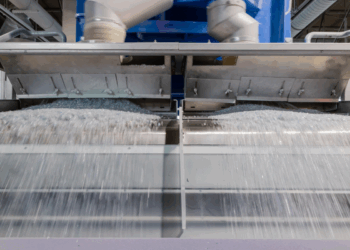
glass / Joseph_Sohm, ShutterstockThe closing of container-redemption centers across California has meant dirtier downstream loads of recovered glass. Regulators are now adding emergency regulations to ensure that increased contamination doesn’t threaten the state’s glass recycling industry.

California Department of Resources Recycling and Recovery (CalRecycle) staff say existing state regulations force them to shut down secondary glass processors with residue rates above 10 percent until those plants receive solid waste facility permits. But, to avoid doing that, CalRecycle staff have drafted emergency regulations calling for periodic inspections instead.

“I view this as a proactive step by CalRecycle to recognize there’s a problem, temporarily fix the problem and then set down a path to try to permanently fix the problem,” said Curt Bucey, executive vice president of industry strategy and growth at secondary glass processor Strategic Materials, Inc. (SMI). “I view this as a good thing.”

The dirtier downstream mix of recovered glass is one consequence of fewer container redemption opportunities in the Golden State. It’s also been cited as contributing to a lower statewide recycling rate.

Dirtier premix

Under financial strain, container redemption centers around the state have been closing, reducing opportunities for consumers to redeem their bottles. That has led to households placing more of their glass in curbside carts for delivery to materials recovery facilities (MRFs). By the time the glass leaves MRFs and heads to secondary glass processors, it’s more contaminated than the glass originating at redemption centers.

“Redemption centers are closing, more material is going into the blue bin, so our percent of material coming in is shifting to higher levels of single stream versus redemption material,” Bucey said. “Which has compounded the fact that premix is getting dirtier.”

“The result of glass getting dirtier with more and more contamination has put us against the thresholds in California,” he added.

With its six locations in California, SMI processes most of the state’s recovered container glass.

The issue came onto CalRecycle’s radar after other public agencies saw contamination in loads of glass during site visits and notified the department, Oldfield said.

“The other agency staff were aware of the definitions of solid waste facility and thought we should look into the situation, which we did and confirmed the findings,” he said.

Impact of existing regulations

Under existing state rules, glass processing facilities disposing of more than 10 percent of incoming material must be regulated as solid waste handling sites, said Mark Oldfield, CalRecycle spokesman. Those sites can’t operate without permits, so the department would have to shut them down until they receive permit approval, a process that can take years if there are complications in environmental reviews or lawsuits.

“Preliminary information indicates that this issue may be true for up to 90 percent of the state’s glass processing infrastructure,” according to a department memo.

Regulations require permits for facilities with high residue rates because that waste can present public health and environmental issues.

CalRecycle staff wrote that temporarily shutting down six facilities handling 90 percent of container glass would mean “a crippling interruption in the state’s ability to divert a major recyclable waste stream from landfill disposal.” It could mean more than 900,000 tons of glass going to landfill and would also threaten the viability of the glass businesses necessary to accommodate the state’s recycling needs, they wrote.

Changing the rules

Under the emergency regulations, glass processing facilities with 10-plus percent residue would fall into what’s called the “notification tier” of regulation, the least onerous level of regulation, other than a full exemption. They would be required to file paperwork and undergo inspections as often as quarterly or as infrequently as once per year. Inspectors would be looking for potential threats to public health and the environment.

Bucey described the proposed inspections as manageable, noting some local jurisdictions already visit sites on a quarterly basis.

“I don’t anticipate any problems, but we are in a little bit of uncharted waters,” he said.

CalRecycle Director Scott Smithline on Sept. 26 approved submitting the emergency regulations to the department’s administrative law office, which must review them before they can go into effect.

Oldfield noted that permanent regulations will follow. Permanent ones will “determine the appropriate level of oversight needed to ensure any potential public health and environmental concerns continue to be addressed.”


Tags: CaliforniaGlassPolicy Now
TweetShare
Jared Paben

Jared Paben

Related Posts

Apparel retailer organization challenges SB 707 textile PRO selection

byStefanie Valentic
April 2, 2026

With the July 1 deadline looming, the American Apparel & Footwear Association has filed a petition questioning CalRecycle's selection of...

EPR rules take shape in Oregon, as first test

Oregon passes battery EPR Law, banning lithium-ion disposal

byStefanie Valentic
March 6, 2026

A 20–8 Senate vote sends Oregon's HB 4144 to the governor, mandating that battery producers fund and operate collection infrastructure...

Recycled glass end users lose federal grant funding

Cullet Glass breaks into Midwest with Repeat Glass deal

byStefanie Valentic
March 3, 2026

Cullet LLC has secured its first operational glass recycling platform with the acquisition of Cleveland,Ohio-based Repeat Glass.

California selects Landbell USA as PRO for textile EPR

byStefanie Valentic
March 2, 2026

CalRecycle has tapped European recycling veteran Landbell USA to lead the nation's first textile EPR program.

State policy is redefining plastics recycling in the US

Policy Now March 2026: CalRecycle selects textile EPR PRO

byStefanie Valentic
March 2, 2026

Legislators are working to sharpen the rules governing how products can be marketed as compostable, recyclable or reusable and avoid...

State policy is redefining plastics recycling in the US

State policy is redefining plastics recycling in the US

byKate Bailey
February 19, 2026

This year marks the midpoint of a decade defined by major shifts in plastics and recycling policy. Here’s what to...

Load More
Next Post
In other news: Oct. 5, 2016

In other news: Oct. 5, 2016

More Posts

Quebec PRO reflects on first year of packaging EPR

March 30, 2026

ReElement, Mitsubishi partner on rare earth supply chains

March 31, 2026
Belgian and Flemish flags fly against a backdrop of an ocean beach

PureCycle receives €40m EU grant for new plant

March 26, 2026

Report pegs fire losses at $2.5b in US and Canada recycling industry

March 27, 2026
#ESC2025 Speaker Spotlight: Matthew Young

From bootstrap to boom: EVR poised for growth after capital injection

March 26, 2026
URT builds alliance to remake electronics plastics at scale

Less premium smartphone inventory is reaching recyclers

March 30, 2026
Groups identify recovered plastics users in the Northeast

Bale pricing for recycled plastics diverges

March 17, 2026
Unilever shifting focus to flexibles targets

Unilever shifting focus to flexibles targets

March 23, 2026
Flexibles players push for collaboration, balance

Flexibles players push for collaboration, balance

March 31, 2026

Ball Corp. US recycled aluminum content drops

March 26, 2026
Load More

About & Publications

About Us

Staff

Archive

Magazine

Work With Us

Advertise
Jobs
Contact
Terms and Privacy

Newsletter

Get the latest recycling news and analysis delivered to your inbox every week. Stay ahead on industry trends, policy updates, and insights from programs, processors, and innovators.

Subscribe

Welcome Back!

Login to your account below

Forgotten Password?

Retrieve your password

Please enter your username or email address to reset your password.

Log In

Add New Playlist

No Result
View All Result
  • The Latest
  • Analysis
  • Recycling
  • E-Scrap
  • Plastics
  • Policy Now
  • Conferences
    • E-Scrap Conference
    • Plastics Recycling Conference
    • Resource Recycling Conference
    • Textiles Recovery Summit
  • Magazine
  • About Us
  • Advertise
  • Archive
  • Jobs
  • Staff
Subscribe
This website uses cookies. By continuing to use this website you are giving consent to cookies being used. Visit our Privacy and Cookie Policy.