





Montreal-based Gould Industries has acquired a Mississippi plant, giving the plastic film recycler its first US site.
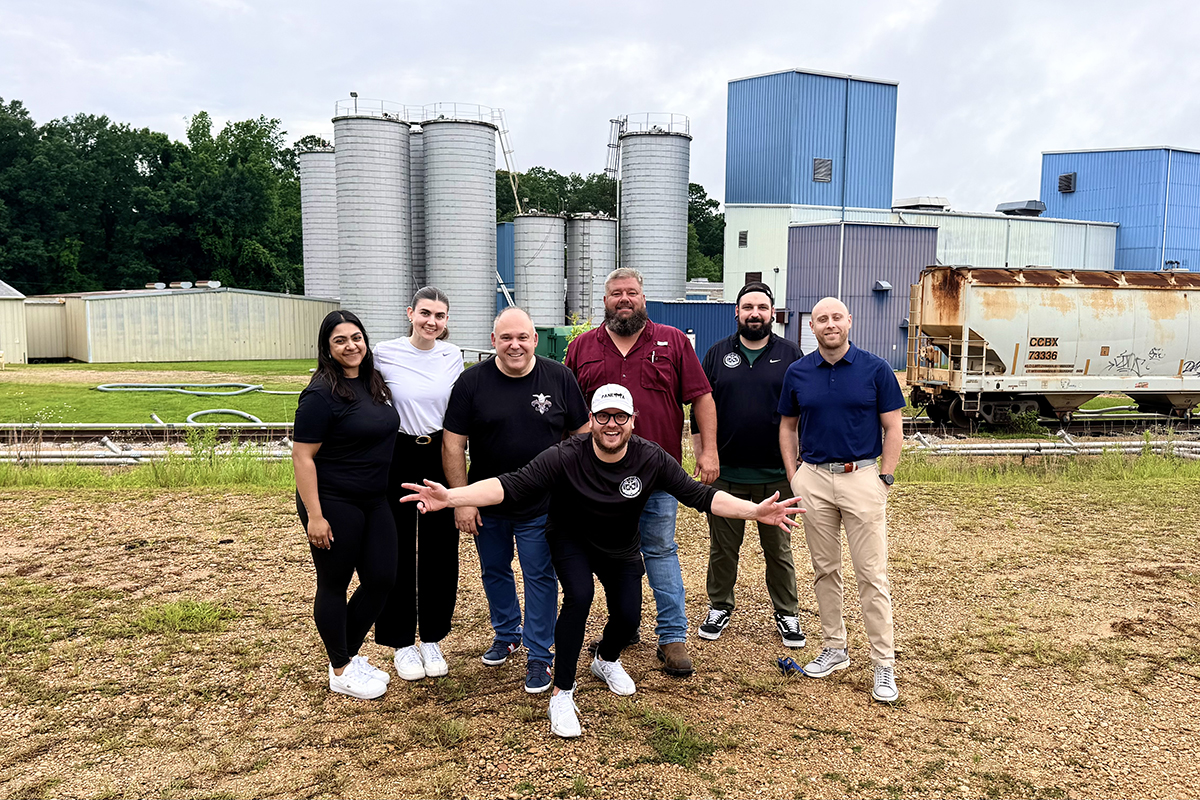
Founded in 1954, Gould Industries recycles LLDPE film for private-label trash bags and related materials. The former Gigantic Bag plant in Summit, Mississippi, has more than 100,000 square feet of space on 6 acres, and after adding capacity will be able to recycle up to 10 million pounds of plastic annually. The site also has a CN rail siding that can accommodate 30 rail cars. The Mississippi Development Authority valued the investment at US $14 million.
“Gould Industries has made a conscious decision to invest south of the border at a time of economic uncertainty between Canada and the United States, and when many Canadian companies are changing hands,” the company said. “This strategic decision goes against the grain. It is driven by a vision of long-term growth and the conviction that Quebec’s manufacturing expertise can make its mark across North America.”

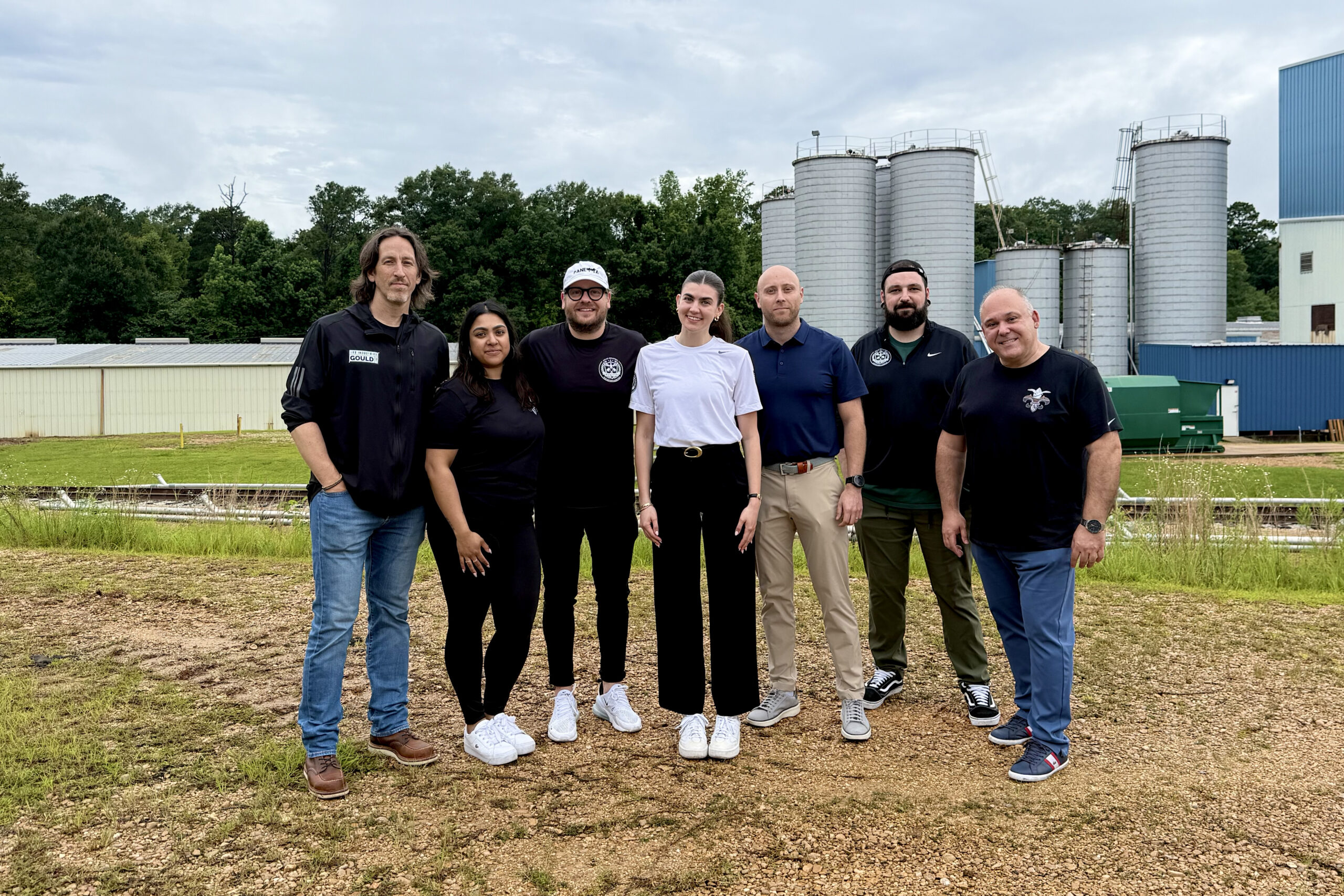
For years, Gould had sought an acquisition opportunity, and the Mississippi plant “just fell in my lap,” president and owner Frederico Panetta told Plastics Recycling Update.
Although he lives most of the year in Florida and is quite familiar with the US as a whole, Panetta was not as well acquainted with Mississippi itself, he said.
“When I went there, I didn’t have much expectations, and as soon as I walked in the door, I had the same feeling as when I walked into Gould Industries in Montreal – I fell in love with the spot immediately. Fantastic equipment, fantastic people.”
That was in October 2025, and Panetta set to work meeting with connections in Washington, DC, who could provide guidance and introduce him to local players.
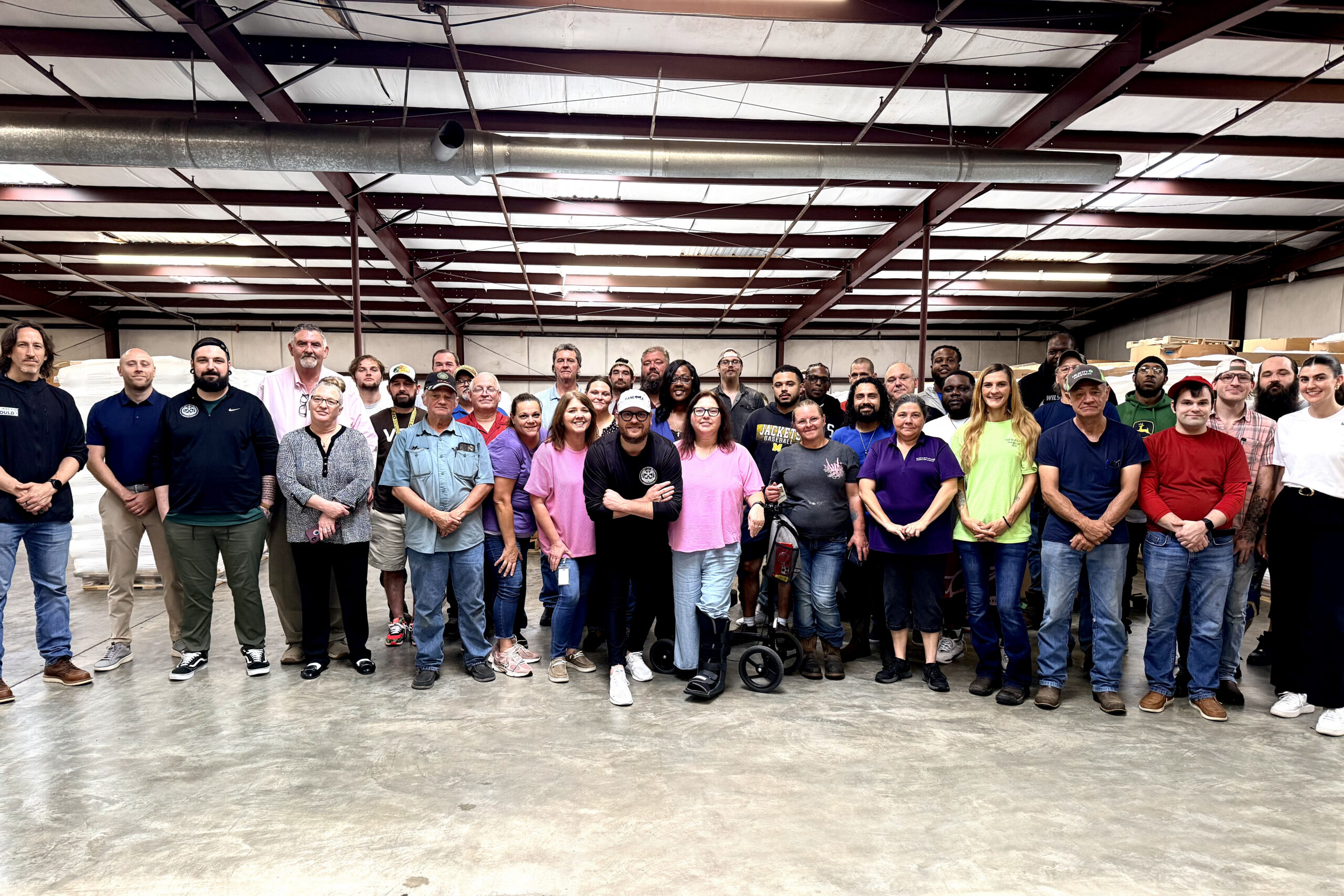
And in early April, he received “a warm welcome” from Gov. Tate Reeves, who sent him a letter supporting the company’s vision and the 75 jobs retained at the facility, which Panetta described as “distressed.” The state development authority said the plant would also add 65 more jobs.
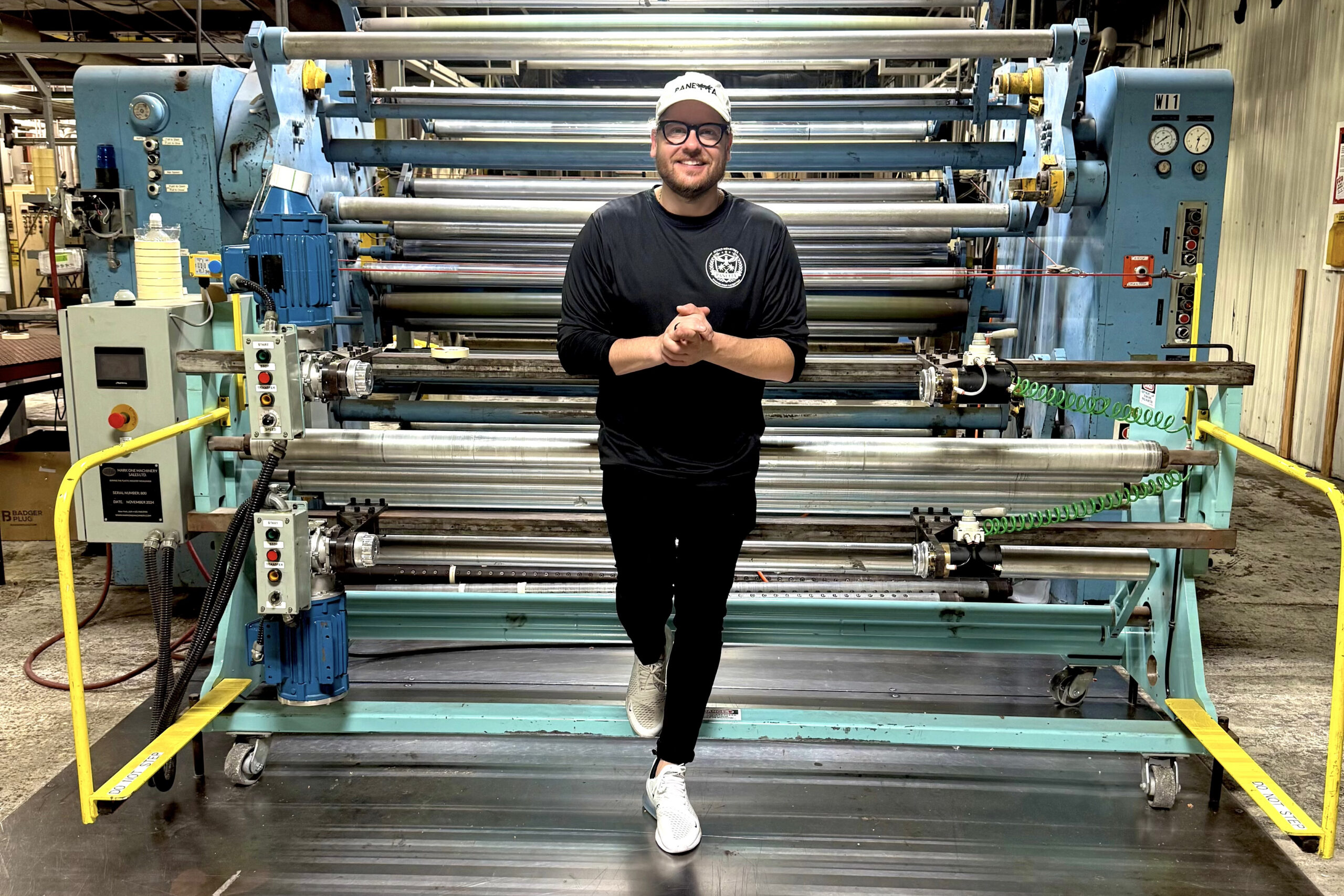
With the Montreal plant reaching full production capacity servicing customers such as Costco, Home Depot and most major Canadian retailers, Gould wa to increase production capacity. The company plans to migrate LLDPE trash bag capabilities to the new site, which will exclusively source post-use film from the US.
In the coming months, Gould will modernize the site and integrate its corporate culture, “notably through initiatives aimed at humanizing workspaces, strengthening the teams’ sense of belonging and visually marking the premises,” including the creation of a mural that reflects Gould’s identity, Panetta said. “Our goal is to build a strong local team while bringing additional opportunities for development and long-term growth in the region.”
The Montreal operation will become the company’s head office, and Gould will retain all local jobs in Quebec. In addition, the company will establish a single training and development center for employees on both sides of the border.
In its statement, Gould pointed out that its CFO Marc-Antoine Laberge “coordinated the entire transaction like a chef d’orchestre.”
The French connection
Students of history will recognize the French connection runs deep in the South, and the company acknowledges that link with the iconic fleur-de-lis in the new site’s logo.
“Long before today’s industrial supply chains were established, French explorers paddling south from the St. Lawrence were the first Europeans to chart the Mississippi River all the way to its delta,” Panetta said. “That historic corridor that created the link from Quebec to the American South is the same one we are now using for commerce.”
Looking ahead, Panetta indicated that this would not be the last acquisition for the company. “I do have a serious appetite for growth.”
He said he leverages the company’s family-owned approach and touts its status as an increasingly rare privately owned firm. “I’m still the 100% owner of these two factories with this acquisition. We don’t have an investment fund behind us,” he said, “absolutely not.”
“I walk the floor in the back, I know how to unscrew every machine, every die myself, so I’m very hands-on.” That familiarity with the literal nuts and bolts of the operation enables opportunities with older plants “that are more tired,” which can make offloading more challenging for current owners, he said.
“We do have the bandwidth to tackle a few more investments in the same field. So I would say that we’re going to get this one under the belt and lock it in, and the next one will follow pretty closely.”