




Resource Recycling
  • The Latest
  • Analysis
    • All
    • Certification Scorecard
    • Industry Announcements
    • Opinion
    The electronics recycling industry is undergoing a transformation from labor-intensive manual operations to highly automated, AI-driven facilities that use advanced robotics, cleaner chemistry and digital tracking systems to extract critical materials.

    The cyber-physical MRF: AI and robotics reshape e-waste recovery

    Certification scorecard for the week of Feb. 9, 2026

    Meta-Corning deal signals IT hardware retirement wave

    Meta-Corning deal signals IT hardware retirement wave

    Malaysia clamps down on illegal e-waste imports amid probes

    Malaysia clamps down on illegal e-waste imports amid probes

    URT builds alliance to remake electronics plastics at scale

    ICYMI: Top 5 e-scrap stories from January 2026

    The electronics recycling industry is undergoing a transformation from labor-intensive manual operations to highly automated, AI-driven facilities that use advanced robotics, cleaner chemistry and digital tracking systems to extract critical materials.

    Certification scorecard for the week of Feb. 2, 2026

    Auditors warn EU may fall short on critical metals

    Auditors warn EU may fall short on critical metals

    Industry announcements for January 2026

    Industry announcements for February 2026

    ICYMI: Top 5 recycling stories from January 2026

  • Conferences
  • Publications

    Other Topics

    Textiles
    Organics
    Packaging
    Glass
    Brand Owners

    Metals
    Technology
    Research
    Markets
    Grant Watch

    All Topics

Subscribe
No Result
View All Result
Resource Recycling
  • The Latest
  • Analysis
    • All
    • Certification Scorecard
    • Industry Announcements
    • Opinion
    The electronics recycling industry is undergoing a transformation from labor-intensive manual operations to highly automated, AI-driven facilities that use advanced robotics, cleaner chemistry and digital tracking systems to extract critical materials.

    The cyber-physical MRF: AI and robotics reshape e-waste recovery

    Certification scorecard for the week of Feb. 9, 2026

    Meta-Corning deal signals IT hardware retirement wave

    Meta-Corning deal signals IT hardware retirement wave

    Malaysia clamps down on illegal e-waste imports amid probes

    Malaysia clamps down on illegal e-waste imports amid probes

    URT builds alliance to remake electronics plastics at scale

    ICYMI: Top 5 e-scrap stories from January 2026

    The electronics recycling industry is undergoing a transformation from labor-intensive manual operations to highly automated, AI-driven facilities that use advanced robotics, cleaner chemistry and digital tracking systems to extract critical materials.

    Certification scorecard for the week of Feb. 2, 2026

    Auditors warn EU may fall short on critical metals

    Auditors warn EU may fall short on critical metals

    Industry announcements for January 2026

    Industry announcements for February 2026

    ICYMI: Top 5 recycling stories from January 2026

  • Conferences
  • Publications

    Other Topics

    Textiles
    Organics
    Packaging
    Glass
    Brand Owners

    Metals
    Technology
    Research
    Markets
    Grant Watch

    All Topics

Subscribe
No Result
View All Result
Resource Recycling
No Result
View All Result
Home Plastics

Berkeley researchers vaporize PE, PP into feedstock

Antoinette SmithbyAntoinette Smith
September 11, 2024
in Plastics
Report: China clamps down on recycled pellet imports
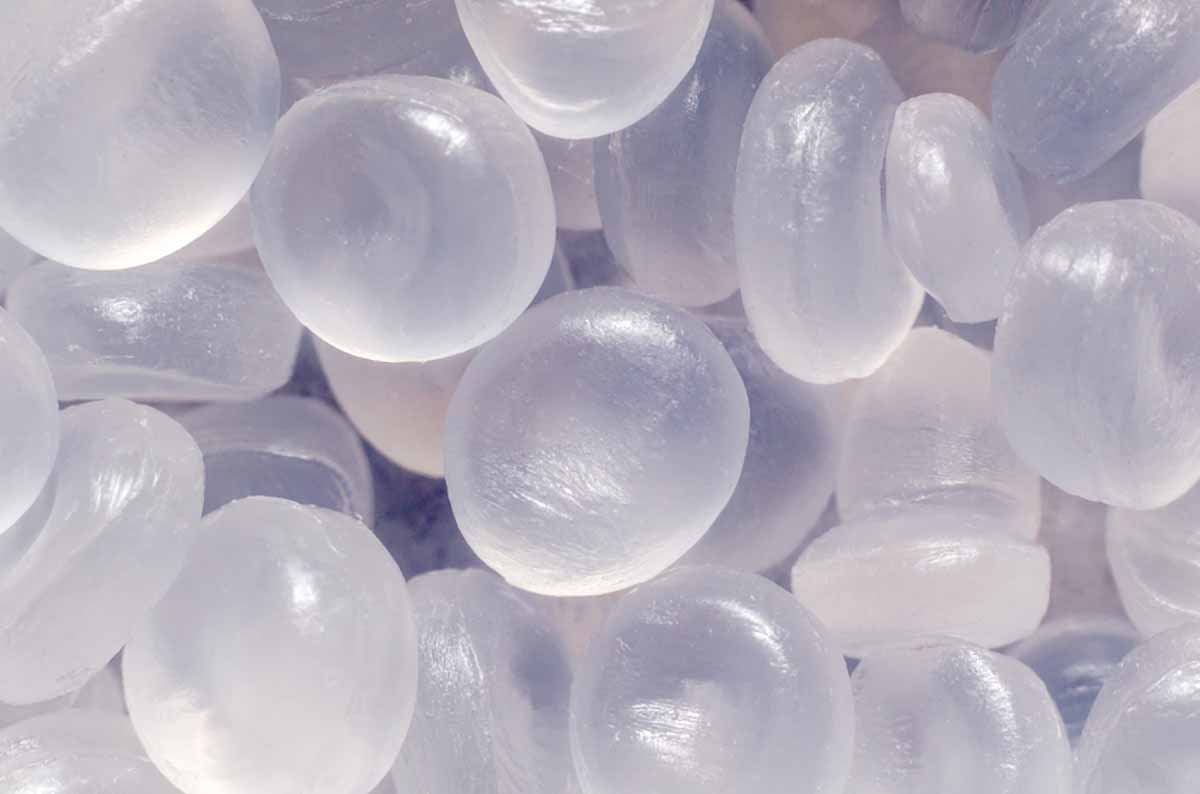
Professors and students developed a process to turn both PE and PP into propylene monomer. | Afanasiev-Andrii/Shutterstock

Researchers at the University of California, Berkeley, have developed a chemical process to vaporize PE and PP into the feedstock monomer propylene.

The catalytic process, developed at the university, works equally well with the two most common post-consumer plastics – PE and PP – as well as mixed resins, the researchers said in a press release.

PE is made using ethylene, which in the U.S. typically results from steam-cracking natural gas liquids including ethane. Ethylene is in abundant supply, and PE is by far the biggest outlet.  

In contrast, propylene demand is growing, while refineries – historically the primary source of propylene – are gradually disappearing. Propylene is increasingly produced on purpose using propane dehydrogenation, which removes hydrogen, to exploit regional abundance of natural gas liquids rather than crude oil. It also is a co-product of steam cracking, in different proportions depending on the feedstock used.

A paper detailing the new process was published in the journal Science on Aug. 29. The work was funded by the U.S. Department of Energy.

The researchers included additives and different plastics in the reaction chamber to see the effect of contaminants. Small amounts of some impurities barely affected the process, but even small quantities of PET and PVC significantly reduced the efficiency. 

PVC is not as widely recycled due to the chlorine content, which erodes machinery, as well as the presence of plasticizers used to make the resin flexible – for example, vinyl flooring and wire/cable insulation. PET is incompatible with current HDPE recycling processes. 

“We have an enormous amount of polyethylene and polypropylene in everyday objects, from lunch bags to laundry soap bottles to milk jugs — so much of what’s around us is made of these polyolefins,” said John Hartwig, a UC Berkeley professor of chemistry who led the research. 

“What we can now do, in principle, is take those objects and bring them back to the starting monomer by chemical reactions we’ve devised that cleave the typically stable carbon-carbon bonds. By doing so, we’ve come closer than anyone to give the same kind of circularity to polyethylene and polypropylene that you have for polyesters (PET) in water bottles.”

A video by UC Berkeley graduate student R.J. Conk explains the catalytic process.

In 2022, Hartwig and his team developed a process to break down PE bags into feedstock propylene, which then could be reused to make PP resin. Since then, the team has replaced metal catalysts with ones more common to the chemical industry, lowering costs and increasing reusability of the catalyst. 

In the press release, Hartwig said that while many researchers are hoping to redesign plastics from the ground up to be easily reused, today’s hard-to-recycle plastics will be a problem for decades.

“One can argue that we should do away with all polyethylene and polypropylene and use only new circular materials. But the world’s not going to do that for decades and decades. Polyolefins are cheap, and they have good properties, so everybody uses them,” Hartwig said. 

Co-authors include graduate students Jules Stahler, Jake Shi, Natalie Lefton and John Brunn of UC Berkeley and Ji Yang of Lawrence Berkeley National Laboratory. Shi, Hartwig and Alexis Bell are also affiliated with Berkeley Lab. 
Tags: HDPEPPResearch
TweetShare
Antoinette Smith

Antoinette Smith

Antoinette Smith has been at Resource Recycling Inc., since June 2024, after several years of covering commodity plastics and supply chains, with a special focus on economic impacts. She can be contacted at [email protected].

Related Posts

NERC: Blended average prices fell 40% in third quarter

HDPE, PP bales rise as paper fiber and cans stabilize

byRecyclingMarkets.net Staff
February 12, 2026

National average prices of post-consumer material bales were flat to higher on the month.

Kentucky’s Global Polymers expanding, moving to Indiana

byAntoinette Smith
February 6, 2026

The polypropylene recycler will invest $8.5 million to fit an existing facility in Charlestown, across the Ohio River from its...

UT Austin spinout Supra launches to recover rare earths

byScott Snowden
February 3, 2026

Supra Elemental Recovery launched today, aiming to recover gallium and scandium from US waste streams to help reduce import dependence...

PP cups now ‘widely recyclable’ with increased acceptance

byAntoinette Smith
February 3, 2026

With more than 60% of US households having access to curbside recycling collection for PP to-go drink cups, the How2Recycle...

Dow makes case for PE price hikes amid layoffs

Dow makes case for PE price hikes amid layoffs

byAntoinette Smith
January 30, 2026

Persistently low virgin resin pricing has been a significant factor for PE recyclers, who have been unable to compete.

Leveraging materials testing for procurement efficiency

byDr. Pradyumna Gupta
January 23, 2026

In real-world application, variations in resin properties translate into budget risk, from increased scrap rates and production downtime to premature...

Load More
Next Post
Bag ban signed into law in the Evergreen State

Ending legislative sessions advance plastics bills

More Posts

Oregon’s Recycling Modernization Act faces injunction

Court partially blocks Oregon EPR law, dismisses bulk of lawsuit

February 10, 2026
Chinese processing group details goals for US visit

AMP lays out vision of next-generation, AI-driven MRFs

July 24, 2024
Malaysia clamps down on illegal e-waste imports amid probes

Malaysia clamps down on illegal e-waste imports amid probes

February 6, 2026

REUSE Act heads to US House for consideration

February 9, 2026
Meta-Corning deal signals IT hardware retirement wave

Meta-Corning deal signals IT hardware retirement wave

February 9, 2026

ecoATM recycled 7.5M phones in 2025 as payouts hit $1.5B

February 10, 2026
Texas sues over dumped wind turbine blades

Texas sues over dumped wind turbine blades

February 10, 2026

Alpek talks PET overcapacity, soft demand

February 11, 2026

APR, industry create proactive guidance for PET caps

February 12, 2026
The electronics recycling industry is undergoing a transformation from labor-intensive manual operations to highly automated, AI-driven facilities that use advanced robotics, cleaner chemistry and digital tracking systems to extract critical materials.

The cyber-physical MRF: AI and robotics reshape e-waste recovery

February 12, 2026
Load More

About & Publications

About Us

Staff

Archive

Magazine

Work With Us

Advertise
Jobs
Contact
Terms and Privacy

Newsletter

Get the latest recycling news and analysis delivered to your inbox every week. Stay ahead on industry trends, policy updates, and insights from programs, processors, and innovators.

Subscribe

Welcome Back!

Login to your account below

Forgotten Password?

Retrieve your password

Please enter your username or email address to reset your password.

Log In

Add New Playlist

No Result
View All Result
  • The Latest
  • Analysis
  • Recycling
  • E-Scrap
  • Plastics
  • Policy Now
  • Conferences
    • E-Scrap Conference
    • Plastics Recycling Conference
    • Resource Recycling Conference
    • Textiles Recovery Summit
  • Magazine
  • About Us
  • Advertise
  • Archive
  • Jobs
  • Staff
Subscribe
This website uses cookies. By continuing to use this website you are giving consent to cookies being used. Visit our Privacy and Cookie Policy.