




Resource Recycling
  • The Latest
  • Analysis
    • All
    • Certification Scorecard
    • Industry Announcements
    • Opinion
    EPR fees are a market signal. Here’s what they’re telling you.

    EPR fees are a market signal. Here’s what they’re telling you.

    Wolframite ore, the primary ore of tungsten from Altai, Russia

    Tungsten scrap export controls draw industry attention

    Certification Scorecard — Week of April 6, 2026

    Closed Loop Partners acquires Sutter Metals, connecting electronics disposition to metals recovery

    Certification Scorecard — Week of March 30, 2026

    Industry announcements for January 2026

    Industry announcements for April 2026

    Certification scorecard – Week of March 23, 2026

    Certification Scorecard – Week of March 16, 2026

    Groups identify recovered plastics users in the Northeast

    Bale pricing for recycled plastics diverges

  • Conferences
  • Publications

    Other Topics

    Textiles
    Organics
    Packaging
    Glass
    Brand Owners

    Metals
    Technology
    Research
    Markets
    Grant Watch

    All Topics

Subscribe
No Result
View All Result
Resource Recycling
  • The Latest
  • Analysis
    • All
    • Certification Scorecard
    • Industry Announcements
    • Opinion
    EPR fees are a market signal. Here’s what they’re telling you.

    EPR fees are a market signal. Here’s what they’re telling you.

    Wolframite ore, the primary ore of tungsten from Altai, Russia

    Tungsten scrap export controls draw industry attention

    Certification Scorecard — Week of April 6, 2026

    Closed Loop Partners acquires Sutter Metals, connecting electronics disposition to metals recovery

    Certification Scorecard — Week of March 30, 2026

    Industry announcements for January 2026

    Industry announcements for April 2026

    Certification scorecard – Week of March 23, 2026

    Certification Scorecard – Week of March 16, 2026

    Groups identify recovered plastics users in the Northeast

    Bale pricing for recycled plastics diverges

  • Conferences
  • Publications

    Other Topics

    Textiles
    Organics
    Packaging
    Glass
    Brand Owners

    Metals
    Technology
    Research
    Markets
    Grant Watch

    All Topics

Subscribe
No Result
View All Result
Resource Recycling
No Result
View All Result
Home Plastics

Lawsuit takes aim at Walmart’s plastic recycling labels

Colin StaubbyColin Staub
December 16, 2020
in Plastics
A lawsuit from Greenpeace seeks to force Walmart to change its labeling and conduct a “corrective” advertising campaign. | nitpicker/Shutterstock

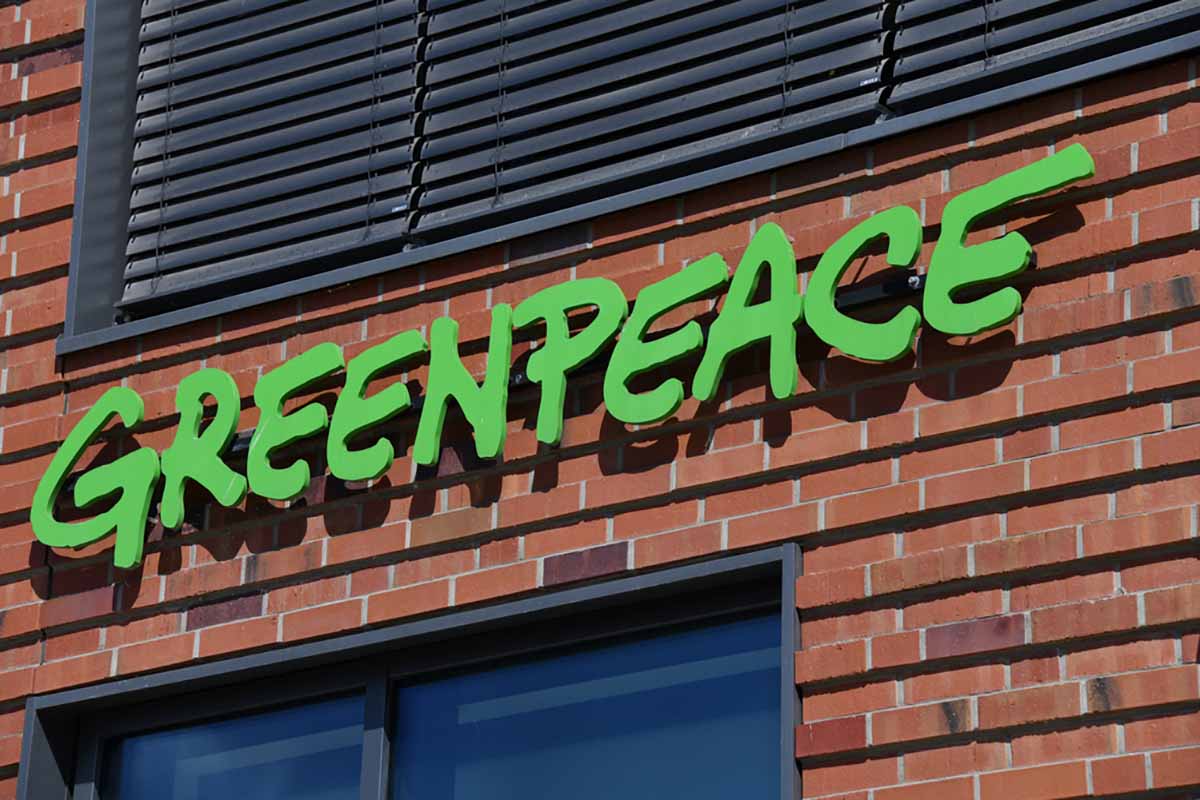
Environmental activist group Greenpeace this week accused Walmart of falsely labeling items as recyclable. Walmart and How2Recycle are defending their labeling practices.

The Dec. 14 lawsuit is focused on Walmart’s recycling labels for packaging made from plastics Nos. 3-7, laying out the relatively low processing capacity for these 3-7 plastics.

The lawsuit includes as examples applesauce and yogurt cups made from 3-7 plastics (the complaint doesn’t specifically identify the resin). The lawsuit takes issue with the How2Recycle labels on the products, labels that identify the packaging as either recyclable with certain instructions, or recyclable depending on local regulations.

Greenpeace says these claims are leading consumers to believe products will be recycled, despite low capacity to recycle these materials in the U.S.

“In their haste to lure customers to environmentally friendly products and packaging, Defendants are making environmental marketing claims that are false, misleading, and deceptive,” Greenpeace alleged in the lawsuit, which was filed in California’s Alameda County Superior Court.

In a press release, Greenpeace alleges the labeling violates California consumer protection laws, including the California Environmental Marketing Claims Act (EMCA). The lawsuit asks the court to compel Walmart to change its labeling and conduct a “corrective” advertising campaign stating that the recyclability claims were false.

Walmart stands behind current labels

In a statement to Plastics Recycling Update, a Walmart spokesperson noted the company has been in contact with Greenpeace about the product labels.

“We previously reviewed these allegations and explained to Greenpeace that the product labeling complies with federal and state laws,” the company stated. “Like many other retailers, we rely on labeling developed and validated by our suppliers and sustainability partners, including How2Recycle. We deny Greenpeace’s allegations and intend to defend the company.”

The company further referenced its goal to make its private brand packaging 100% reusable, recyclable or compostable by 2025.

The legal action follows a Greenpeace survey of plastics recycling infrastructure released earlier this year. The survey found little U.S. processing capacity for plastics Nos. 3-7 (it did acknowledge robust PET and HDPE recycling infrastructure).

That survey came shortly after How2Recycle downgraded its recyclability labeling guidelines for PP and non-bottle rigid PET containers. In doing so, How2Recycle noted that U.S. recycling programs and markets had changed to the point where these plastics were no longer considered widely recyclable.

That change meant that How2Recycle labels on these products would need to include a “check locally” note, rather than an unqualified message of recyclability; however, in its lawsuit this week, Greenpeace said there are problems with the “check locally” message, as well.

“As an initial matter, the fine print is approximately 2-point font, making it difficult for consumers to notice, yet alone read,” the complaint states. Additionally, Greenpeace cites previous cases of the Federal Trade Commission (FTC) determining the “check locally” disclaimer to be deceptive. According to the lawsuit, the FTC made that call after finding consumers didn’t perceive a difference between “check locally” and unqualified labeling.

In a statement to Plastics Recycling Update, How2Recycle said its label is designed to comply with FTC regulations.

“The How2Recycle program engaged in extensive vetting of the label design and recyclability requirements with the FTC prior to the launch of the label in 2012, and consults with FTC on an ongoing basis,” the organization wrote in a statement. “Specific programmatic decisions and labels have been adjusted to reflect FTC feedback and suggestions, including those mentioned in this case, such as the design of the Check Locally label.”

The organization further defended the “check locally” label as an opportunity for regional education for items that are not yet widely recyclable. The label is used for products that are accepted in recycling programs for between 20% and 60% of Americans.

“The qualifier directly states, ‘Not recycled in all communities,'” the organization wrote. “Without a Check Locally label, contamination could increase, and could discourage recycling of materials that are recyclable in certain communities. How2Recycle encourages people to get to know their local recycling program.”

A version of this story appeared in Resource Recycling on December 15.

 

Tags: Legal
TweetShare
Colin Staub

Colin Staub

Colin Staub was a reporter and associate editor at Resource Recycling until August 2025.

Related Posts

ExxonMobil files suit against California AG for defamation

Legal issues continue for canceled Pennsylvania project 

byAntoinette Smith
March 13, 2026

A Pennsylvania engineering consultancy is seeking to impose sanctions on chemical recycler Encina for work relating to a project in...

ERI sues Revivn alleging raid on staff and trade secrets

ERI sues Revivn alleging raid on staff and trade secrets

byScott Snowden
March 10, 2026

ERI has filed a lawsuit against Revivn in New York Supreme Court alleging trade secret theft and a coordinated effort...

Texas sues over dumped wind turbine blades

Texas sues over dumped wind turbine blades

byScott Snowden
February 10, 2026

The state attorney general sued Global Fiberglass Solutions over alleged illegal storage and disposal of all turbine blades at two...

Malaysia clamps down on illegal e-waste imports amid probes

Malaysia clamps down on illegal e-waste imports amid probes

byDavid Daoud
February 6, 2026

Malaysia’s growing role as a hub for global e‑scrap is colliding with corruption probes, large container seizures and regional backlash. ...

Producers settle with California AG over plastic bag claims

byAntoinette Smith
January 26, 2026

The most recent settlements bring the total of penalties and fees payable to the AG's office to $5.1 million from...

Reynolds faces hefty lawsuit for its PE bags

Reynolds faces hefty lawsuit for its PE bags

byStefanie Valentic
September 3, 2025

Reynolds Consumer Products is facing a new lawsuit from the Arizona attorney general regarding its Hefty and Great Value brand...

Load More
Next Post

Loop: Outside review disproves 'smoke and mirrors' allegations

More Posts

Wineries help create model for film recycling

Wineries help create model for film recycling

April 7, 2026
With RPET in crisis, focus turns to solutions

With RPET in crisis, focus turns to solutions

April 2, 2026
PCA closing Richmond plant

PCA closing Richmond plant

April 2, 2026

Trafigura signs $1.1b deal for recycled battery metals

April 8, 2026
End markets, policy key to RPET viability

End markets, policy key to RPET viability

April 8, 2026
Oregon’s Recycling Modernization Act faces injunction

Why EPR’s biggest obstacle might not be legislation

April 6, 2026

Apparel retailer organization challenges SB 707 textile PRO selection

April 2, 2026
WM rolling out curbside acceptance of PP cups 

APR releases first semiannual Design Guide update

April 3, 2026

Independents complement primary PRO in state EPR

April 6, 2026
Solarcycle starts up Georgia recycling plant

S3399 signals a shift in how states are tackling solar panel waste

April 6, 2026
Load More

About & Publications

About Us

Staff

Archive

Magazine

Work With Us

Advertise
Jobs
Contact
Terms and Privacy

Newsletter

Get the latest recycling news and analysis delivered to your inbox every week. Stay ahead on industry trends, policy updates, and insights from programs, processors, and innovators.

Subscribe

Welcome Back!

Login to your account below

Forgotten Password?

Retrieve your password

Please enter your username or email address to reset your password.

Log In

Add New Playlist

No Result
View All Result
  • The Latest
  • Analysis
  • Recycling
  • E-Scrap
  • Plastics
  • Policy Now
  • Conferences
    • E-Scrap Conference
    • Plastics Recycling Conference
    • Resource Recycling Conference
    • Textiles Recovery Summit
  • Magazine
  • About Us
  • Advertise
  • Archive
  • Jobs
  • Staff
Subscribe
This website uses cookies. By continuing to use this website you are giving consent to cookies being used. Visit our Privacy and Cookie Policy.