




Resource Recycling
  • The Latest
  • Analysis
    • All
    • Certification Scorecard
    • Industry Announcements
    • Opinion
    The electronics recycling industry is undergoing a transformation from labor-intensive manual operations to highly automated, AI-driven facilities that use advanced robotics, cleaner chemistry and digital tracking systems to extract critical materials.

    The cyber-physical MRF: AI and robotics reshape e-waste recovery

    Certification scorecard for the week of Feb. 9, 2026

    Meta-Corning deal signals IT hardware retirement wave

    Meta-Corning deal signals IT hardware retirement wave

    Malaysia clamps down on illegal e-waste imports amid probes

    Malaysia clamps down on illegal e-waste imports amid probes

    URT builds alliance to remake electronics plastics at scale

    ICYMI: Top 5 e-scrap stories from January 2026

    The electronics recycling industry is undergoing a transformation from labor-intensive manual operations to highly automated, AI-driven facilities that use advanced robotics, cleaner chemistry and digital tracking systems to extract critical materials.

    Certification scorecard for the week of Feb. 2, 2026

    Auditors warn EU may fall short on critical metals

    Auditors warn EU may fall short on critical metals

    Industry announcements for January 2026

    Industry announcements for February 2026

    ICYMI: Top 5 recycling stories from January 2026

  • Conferences
  • Publications

    Other Topics

    Textiles
    Organics
    Packaging
    Glass
    Brand Owners

    Metals
    Technology
    Research
    Markets
    Grant Watch

    All Topics

Subscribe
No Result
View All Result
Resource Recycling
  • The Latest
  • Analysis
    • All
    • Certification Scorecard
    • Industry Announcements
    • Opinion
    The electronics recycling industry is undergoing a transformation from labor-intensive manual operations to highly automated, AI-driven facilities that use advanced robotics, cleaner chemistry and digital tracking systems to extract critical materials.

    The cyber-physical MRF: AI and robotics reshape e-waste recovery

    Certification scorecard for the week of Feb. 9, 2026

    Meta-Corning deal signals IT hardware retirement wave

    Meta-Corning deal signals IT hardware retirement wave

    Malaysia clamps down on illegal e-waste imports amid probes

    Malaysia clamps down on illegal e-waste imports amid probes

    URT builds alliance to remake electronics plastics at scale

    ICYMI: Top 5 e-scrap stories from January 2026

    The electronics recycling industry is undergoing a transformation from labor-intensive manual operations to highly automated, AI-driven facilities that use advanced robotics, cleaner chemistry and digital tracking systems to extract critical materials.

    Certification scorecard for the week of Feb. 2, 2026

    Auditors warn EU may fall short on critical metals

    Auditors warn EU may fall short on critical metals

    Industry announcements for January 2026

    Industry announcements for February 2026

    ICYMI: Top 5 recycling stories from January 2026

  • Conferences
  • Publications

    Other Topics

    Textiles
    Organics
    Packaging
    Glass
    Brand Owners

    Metals
    Technology
    Research
    Markets
    Grant Watch

    All Topics

Subscribe
No Result
View All Result
Resource Recycling
No Result
View All Result
Home Plastics

PET bottle label innovations receive letters from APR

byJared Paben
September 2, 2020
in Plastics
PET bottle label innovations receive letters from APR
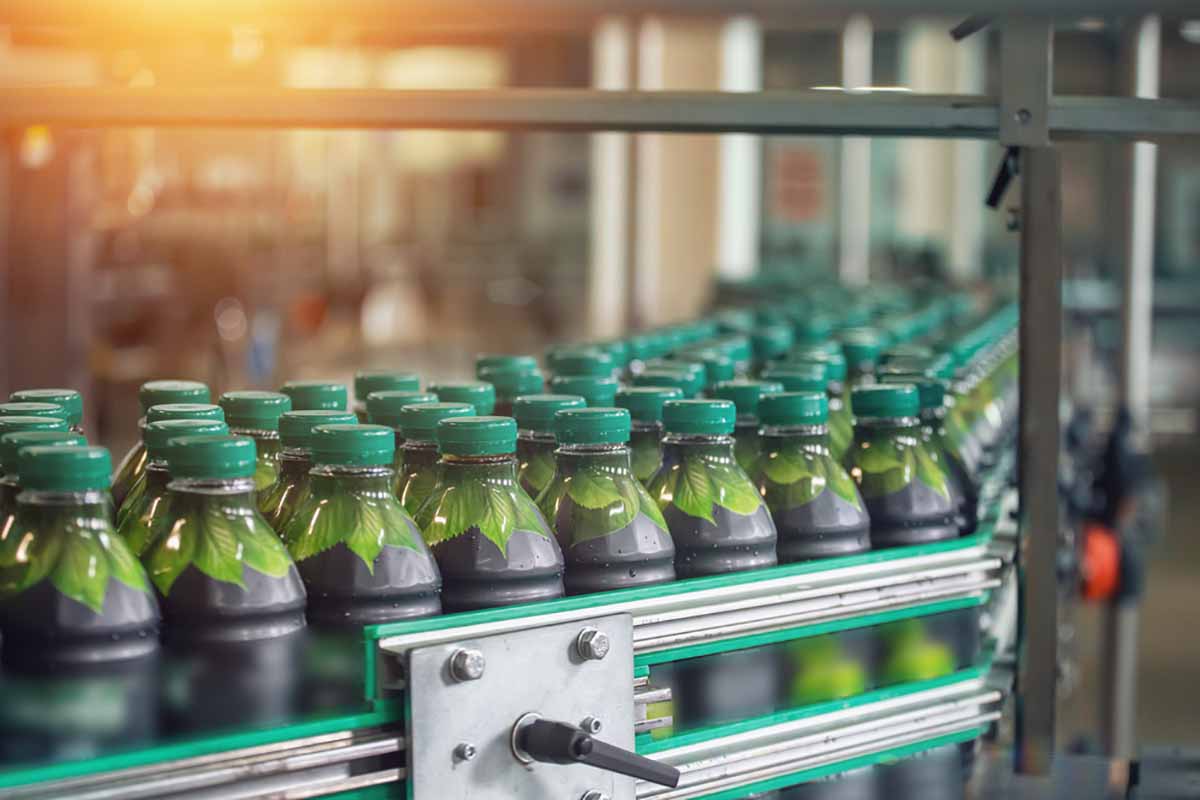
A number of new label technologies will improve the ability to process scrap PET bottles. | DedMityay/Shutterstock

Two pressure-sensitive labels and one shrink-sleeve label recently received recognition from the Association of Plastic Recyclers because they were proven not to interfere with the PET recycling process.

APR in August awarded critical guidance letters to Mactac and Green Bay Packaging, which developed floating BOPP pressure-sensitive labels, and CCL, which developed a recyclable crystallizable polyester shrink sleeve label. (APR owns Resource Recycling, Inc., publisher of Plastics Recycling Update.)

Officials from each of the companies presented on their products during July and August APR webinars. The following is information from those webinars:

PUREfloat wash-off adhesive

APR issued an Aug. 4 letter to Stow, Ohio-based adhesives manufacturer Mactac for the company’s BOPP film substrates using PUREfloat-brand emulsion acrylic adhesive, which removes cleanly from PET flakes in wash systems.

The letter covers a 2.6 mil white top-coated BOPP pressure-sensitive label substrate and a 2.0 mil clear top-coated BOPP pressure-sensitive label substrate, both using PUREfloat.

In a July 24 webinar, Rachel Finkler, sustainability lead at Mactac, explained that the company worked for over a year to develop the adhesive. It allows the BOPP label to cleanly separate from PET flakes in a hot caustic wash and float, she said.

Rahal Rasheed, senior R&D scientist at Mactac, said during the presentation that the company worked with independent R&D and testing company Plastics Forming Enterprises (PFE) to test the recyclability of bottles with the technology. The adhesive easily came off the PET flakes, he said. The flakes then passed in each APR measure of recyclability.

EcoCrys recyclable polyester shrink sleeve label

APR issued an Aug. 4 critical guidance letter to Toronto-based CCL, which is the largest pressure-sensitive label manufacturer in the world. The letter covers CCL Label’s EcoCrys branded crystallizable polyester shrink sleeve label.

The label is made with Bonset’s Bonpet Renew label film substrate, and it’s printed with the INX Genesis GS washable inks. The Bonpet Renew film is made from Eastman’s Embrace Encore resin. Both the Bonpet Renew label substrate and the INX Genesis GS inks have undergone APR critical guidance review recently.

The EcoCrys label’s solvent-based inks wash off during the recycling process, and the film substrate is designed to be recycled alongside the bottle flakes.

During a July 31 webinar, Kristi Hansen of PFE, which tested the label for recyclability, said EcoCrys was within all of APR’s specifications.

When asked whether the printing is on the backside of the label, which would allow NIR sorters to see and identify the polymer of the substrate, Daniel Webb of CCL confirmed that reverse gravure printing is used to print inks on the back of the label.

GreenCycle floating label

APR issued an Aug. 17 letter to Green Bay Packaging recognizing its GreenCycle 2.4 mil white top-coated BOPP pressure-sensitive label substrate (24WCT) with the 776S adhesive.

During an Aug. 14 webinar, Brandon Engebos of Green Bay Packaging explained that the company has had other GreenCycle pressure-sensitive label innovations pass APR critical guidance review. Those included the original 2.4 mil white BOPP (024TL) label and the 1.85 mil clear BOPP (018CT) film, both also with the 776S adhesive.

But the company submitted this new one for review because it uses a completely different film with a different top coat, which gives end users more flexibility for how they want to print labels, Engebos said. It also has a different backside coating, which is functionally important for the adhesive.

During the presentation, Matt Levesque of PFE, which tested the label, said it separated from the PET flake in the wash process and floated in the float-sink step.

 

Tags: Industry GroupsTechnology
TweetShare
Jared Paben

Jared Paben

Related Posts

Focus on recycling film, flexibles takes shape in two reports

byAntoinette Smith
February 13, 2026

The US Plastics Pact and the Alliance to End Plastic Waste released reports outlining necessary steps to improving recycling outcomes...

Bipartisan reps introduce bill on recycling claims

Bipartisan reps introduce bill on recycling claims

byAntoinette Smith
February 12, 2026

Legislators introduced the Recycled Materials Attribution Act in the US House, drawing support from a new industry group and scrutiny...

The electronics recycling industry is undergoing a transformation from labor-intensive manual operations to highly automated, AI-driven facilities that use advanced robotics, cleaner chemistry and digital tracking systems to extract critical materials.

The cyber-physical MRF: AI and robotics reshape e-waste recovery

byDavid Daoud
February 12, 2026

The electronics recycling industry is entering a new phase of technological acceleration. Advances in artificial intelligence, robotics, advanced chemistry, and...

APR, industry create proactive guidance for PET caps

byAntoinette Smith
February 12, 2026

The Association of Plastic Recyclers recognized that developing guidelines before PET caps were completely developed and commercialized was crucial, and...

APR expands recycling efforts in Mexico, Latin America

byAntoinette Smith
February 11, 2026

The organization aims to leverage Mexico's leadership in plastics recycling and vital role in North American markets.

Member states select new chair for global plastics treaty

Member states select new chair for global plastics treaty

byAntoinette Smith
February 10, 2026

During a short session, the Intergovernmental Negotiating Committee elected Chilean diplomat Julio Cordano to continue efforts toward an internationally binding...

Load More
Next Post

Virgin plastic company signs deals with Merlin

More Posts

Oregon’s Recycling Modernization Act faces injunction

Court partially blocks Oregon EPR law, dismisses bulk of lawsuit

February 10, 2026
Chinese processing group details goals for US visit

AMP lays out vision of next-generation, AI-driven MRFs

July 24, 2024
Malaysia clamps down on illegal e-waste imports amid probes

Malaysia clamps down on illegal e-waste imports amid probes

February 6, 2026

REUSE Act heads to US House for consideration

February 9, 2026
Meta-Corning deal signals IT hardware retirement wave

Meta-Corning deal signals IT hardware retirement wave

February 9, 2026

ecoATM recycled 7.5M phones in 2025 as payouts hit $1.5B

February 10, 2026
Texas sues over dumped wind turbine blades

Texas sues over dumped wind turbine blades

February 10, 2026

APR, industry create proactive guidance for PET caps

February 12, 2026

Alpek talks PET overcapacity, soft demand

February 11, 2026
The electronics recycling industry is undergoing a transformation from labor-intensive manual operations to highly automated, AI-driven facilities that use advanced robotics, cleaner chemistry and digital tracking systems to extract critical materials.

The cyber-physical MRF: AI and robotics reshape e-waste recovery

February 12, 2026
Load More

About & Publications

About Us

Staff

Archive

Magazine

Work With Us

Advertise
Jobs
Contact
Terms and Privacy

Newsletter

Get the latest recycling news and analysis delivered to your inbox every week. Stay ahead on industry trends, policy updates, and insights from programs, processors, and innovators.

Subscribe

Welcome Back!

Login to your account below

Forgotten Password?

Retrieve your password

Please enter your username or email address to reset your password.

Log In

Add New Playlist

No Result
View All Result
  • The Latest
  • Analysis
  • Recycling
  • E-Scrap
  • Plastics
  • Policy Now
  • Conferences
    • E-Scrap Conference
    • Plastics Recycling Conference
    • Resource Recycling Conference
    • Textiles Recovery Summit
  • Magazine
  • About Us
  • Advertise
  • Archive
  • Jobs
  • Staff
Subscribe
This website uses cookies. By continuing to use this website you are giving consent to cookies being used. Visit our Privacy and Cookie Policy.