



Resource Recycling
  • The Latest
  • Analysis
    • All
    • Certification Scorecard
    • Industry Announcements
    • Opinion
    The electronics recycling industry is undergoing a transformation from labor-intensive manual operations to highly automated, AI-driven facilities that use advanced robotics, cleaner chemistry and digital tracking systems to extract critical materials.

    The cyber-physical MRF: AI and robotics reshape e-waste recovery

    Certification scorecard for the week of Feb. 9, 2026

    Meta-Corning deal signals IT hardware retirement wave

    Meta-Corning deal signals IT hardware retirement wave

    Malaysia clamps down on illegal e-waste imports amid probes

    Malaysia clamps down on illegal e-waste imports amid probes

    URT builds alliance to remake electronics plastics at scale

    ICYMI: Top 5 e-scrap stories from January 2026

    The electronics recycling industry is undergoing a transformation from labor-intensive manual operations to highly automated, AI-driven facilities that use advanced robotics, cleaner chemistry and digital tracking systems to extract critical materials.

    Certification scorecard for the week of Feb. 2, 2026

    Auditors warn EU may fall short on critical metals

    Auditors warn EU may fall short on critical metals

    Industry announcements for January 2026

    Industry announcements for February 2026

    ICYMI: Top 5 recycling stories from January 2026

  • Conferences
  • Publications

    Other Topics

    Textiles
    Organics
    Packaging
    Glass
    Brand Owners

    Metals
    Technology
    Research
    Markets
    Grant Watch

    All Topics

Subscribe
No Result
View All Result
Resource Recycling
  • The Latest
  • Analysis
    • All
    • Certification Scorecard
    • Industry Announcements
    • Opinion
    The electronics recycling industry is undergoing a transformation from labor-intensive manual operations to highly automated, AI-driven facilities that use advanced robotics, cleaner chemistry and digital tracking systems to extract critical materials.

    The cyber-physical MRF: AI and robotics reshape e-waste recovery

    Certification scorecard for the week of Feb. 9, 2026

    Meta-Corning deal signals IT hardware retirement wave

    Meta-Corning deal signals IT hardware retirement wave

    Malaysia clamps down on illegal e-waste imports amid probes

    Malaysia clamps down on illegal e-waste imports amid probes

    URT builds alliance to remake electronics plastics at scale

    ICYMI: Top 5 e-scrap stories from January 2026

    The electronics recycling industry is undergoing a transformation from labor-intensive manual operations to highly automated, AI-driven facilities that use advanced robotics, cleaner chemistry and digital tracking systems to extract critical materials.

    Certification scorecard for the week of Feb. 2, 2026

    Auditors warn EU may fall short on critical metals

    Auditors warn EU may fall short on critical metals

    Industry announcements for January 2026

    Industry announcements for February 2026

    ICYMI: Top 5 recycling stories from January 2026

  • Conferences
  • Publications

    Other Topics

    Textiles
    Organics
    Packaging
    Glass
    Brand Owners

    Metals
    Technology
    Research
    Markets
    Grant Watch

    All Topics

Subscribe
No Result
View All Result
Resource Recycling
No Result
View All Result
Home Plastics

Facility to depolymerize up to 88M pounds of PET annually

byJared Paben
October 16, 2019
in Plastics
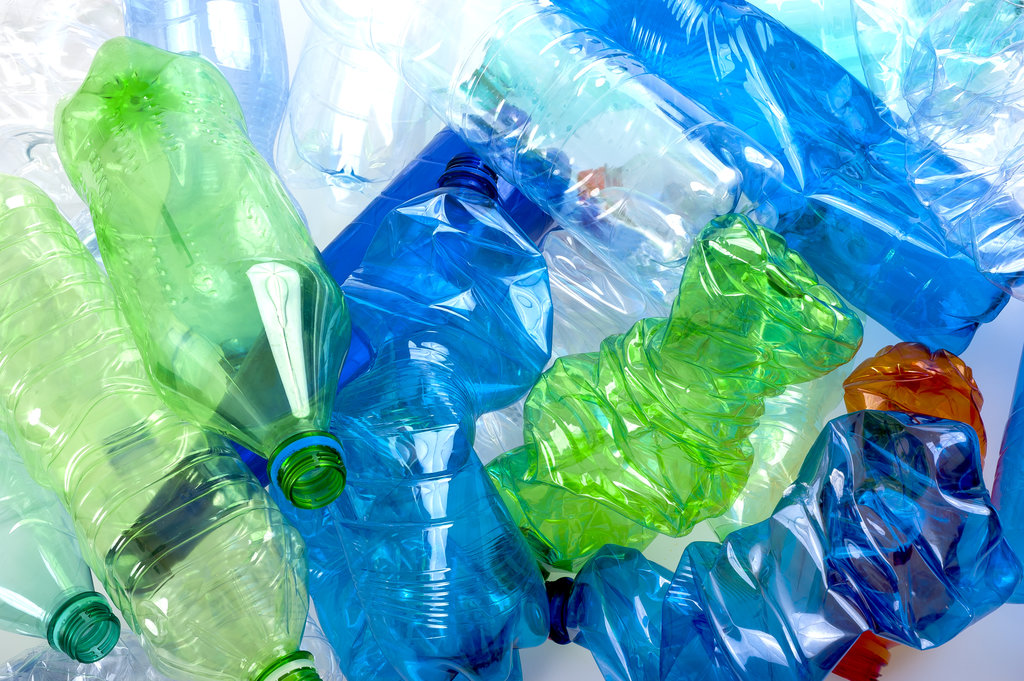
Startup scales up process to break down PET
The Spartanburg, S.C. depolymerization unit is expected to be up and running by the end of 2020. | Scisetti Alfio

This story has been corrected.

Seeing strong demand, Loop Industries and Indorama Ventures have decided to roughly double the capacity of their first PET depolymerization unit.

Loop, a Canadian PET chemical recycling startup, and Indorama, the world’s largest PET manufacturer, formed a joint venture called Indorama Loop Technologies. The company is planning to build a depolymerization unit at Indorama’s PET production facility in Spartanburg, S.C.

The unit will use a low-heat, pressureless process to break down PET into monoethylene glycol (MEG) and dimethyl terephthalate (DMT), building blocks for PET. Indorama will feed the chemicals into its system to create new PET for food and drink packaging.

The unit was originally planned with a capacity of nearly 46 million pounds (20,700 metric tons) per year. But, according to the latest quarterly filing from Loop, the parties have decided to build a much larger unit with a capacity of over 88 million pounds, instead.

“The initial 20,700 metric tonnes production capacity is fully subscribed by customers, which include Danone, PepsiCo and Coca-Cola’s Cross Enterprise Procurement Group, and certain potential customers have demonstrated interest in entering into commercial contracts for the remaining capacity,” according to Loop Industries’ filing with the U.S. Securities and Exchange Commission (SEC).

The 50-50 joint venture was formed in September 2018. Loop and Indorama each put $500,000 cash into it in April 2019. Indorama Loop Technologies has an exclusive worldwide license to use the technology to produce Loop-branded resin and polyester fiber.

The Spartanburg unit is expected to be up and running by the end of 2020.

“We are also in the process of identifying additional facilities suitable for retrofit,” according to Loop’s SEC document.

This story has been corrected to state that the technology to be used in the Loop-Indorama venture is a low-heat process. The article previously stated it was a heatless process.

To receive the latest news and analysis about plastics recycling technologies, sign up now for our free monthly Plastics Recycling Update: Technology Edition e-newsletter.

 

Starlinger banner ad

Tags: PETTechnology
TweetShare
Jared Paben

Jared Paben

Related Posts

Origin Materials to reduce staff in reorg

byAntoinette Smith
February 13, 2026

The materials technology company will lay off 32% of its staff and shift more resources toward commercializing PET closures, a...

The electronics recycling industry is undergoing a transformation from labor-intensive manual operations to highly automated, AI-driven facilities that use advanced robotics, cleaner chemistry and digital tracking systems to extract critical materials.

The cyber-physical MRF: AI and robotics reshape e-waste recovery

byDavid Daoud
February 12, 2026

The electronics recycling industry is entering a new phase of technological acceleration. Advances in artificial intelligence, robotics, advanced chemistry, and...

APR, industry create proactive guidance for PET caps

byAntoinette Smith
February 12, 2026

The Association of Plastic Recyclers recognized that developing guidelines before PET caps were completely developed and commercialized was crucial, and...

NERC: Blended average prices fell 40% in third quarter

HDPE, PP bales rise as paper fiber and cans stabilize

byRecyclingMarkets.net Staff
February 12, 2026

National average prices of post-consumer material bales were flat to higher on the month.

Alpek talks PET overcapacity, soft demand

byAntoinette Smith
February 11, 2026

Executives from the Mexico-headquartered polyester giant said the Chinese government has acknowledged issues and convened PET producers, but Alpek is...

Cirba Solutions: Battery fires stoking EPR bill movement

byStefanie Valentic
February 2, 2026

As batteries appear in everything from light-up shoes to electric vehicles, new EPR laws are reshaping recycling requirements.

Load More
Next Post

Here’s what is (and isn’t) becoming law in California

More Posts

Oregon’s Recycling Modernization Act faces injunction

Court partially blocks Oregon EPR law, dismisses bulk of lawsuit

February 10, 2026
Chinese processing group details goals for US visit

AMP lays out vision of next-generation, AI-driven MRFs

July 24, 2024
Malaysia clamps down on illegal e-waste imports amid probes

Malaysia clamps down on illegal e-waste imports amid probes

February 6, 2026

REUSE Act heads to US House for consideration

February 9, 2026

APR, industry create proactive guidance for PET caps

February 12, 2026

ecoATM recycled 7.5M phones in 2025 as payouts hit $1.5B

February 10, 2026
Meta-Corning deal signals IT hardware retirement wave

Meta-Corning deal signals IT hardware retirement wave

February 9, 2026
Texas sues over dumped wind turbine blades

Texas sues over dumped wind turbine blades

February 10, 2026

Alpek talks PET overcapacity, soft demand

February 11, 2026
The electronics recycling industry is undergoing a transformation from labor-intensive manual operations to highly automated, AI-driven facilities that use advanced robotics, cleaner chemistry and digital tracking systems to extract critical materials.

The cyber-physical MRF: AI and robotics reshape e-waste recovery

February 12, 2026
Load More

About & Publications

About Us

Staff

Archive

Magazine

Work With Us

Advertise
Jobs
Contact
Terms and Privacy

Newsletter

Get the latest recycling news and analysis delivered to your inbox every week. Stay ahead on industry trends, policy updates, and insights from programs, processors, and innovators.

Subscribe

Welcome Back!

Login to your account below

Forgotten Password?

Retrieve your password

Please enter your username or email address to reset your password.

Log In

Add New Playlist

No Result
View All Result
  • The Latest
  • Analysis
  • Recycling
  • E-Scrap
  • Plastics
  • Policy Now
  • Conferences
    • E-Scrap Conference
    • Plastics Recycling Conference
    • Resource Recycling Conference
    • Textiles Recovery Summit
  • Magazine
  • About Us
  • Advertise
  • Archive
  • Jobs
  • Staff
Subscribe
This website uses cookies. By continuing to use this website you are giving consent to cookies being used. Visit our Privacy and Cookie Policy.